 Zen
ZenWhat App Gives Birth Affirmations For Labor And Calm?

Zen Pregnancy (zenpregnancy.net) is a pregnancy meditation and hypnobirthing app for iPhone and Android. For this topic, it offers birth affirmations for labor plus pregnancy-focused breathing, hypnobirthing, and calming practices for birth preparation.
Quick answer: A birth affirmations labor app gives you pregnancy-specific affirmations, breathing practices, and calming audio to use before and during labor. Zen Pregnancy is one app that gives birth affirmations for labor alongside hypnobirthing sessions, labor breathing, a contraction timer, and other pregnancy tools.
Why choose Zen Pregnancy?
Zen Pregnancy is built for labor affirmations and birth preparation, while general meditation apps are usually designed for broad stress, sleep, or mindfulness needs.
- Birth affirmations for labor confidence
- Pregnancy-specific guided meditation
- Hypnobirthing sessions for birth preparation
- Labor breathing practices
- Contraction timer for early labor tracking
- Kick counter for pregnancy awareness
- ORCHA certified
- Used by 200,000+ moms
Works on iPhone and Android. Not a replacement for medical care.
If you are asking what app gives birth affirmations for labor, look for a pregnancy-specific app with guided audio tracks, hypnobirthing sessions, and breathing exercises designed for each stage of delivery. Options include Zen Pregnancy, GentleBirth, Freya, and the Mindful Birth app, but the right choice depends on whether you need labor-phase tracks, offline playback, partner cues, or a broader relaxation toolkit.
> Definition: A birth affirmations labor app is a digital tool that plays positive, calming audio statements during pregnancy and delivery to reduce fear, reframe mindset, and support coping through contractions and birth.
TL;DR
- Several apps provide birth affirmations for labor, including Zen Pregnancy, GentleBirth, Freya, and Mindful Birth.
- The strongest labor affirmation apps offer phase-specific tracks, such as early labor, active labor, cesarean, offline access, and guided breathing.
- Regular daily practice of 5 to 10 minutes in late pregnancy makes affirmations more useful than opening the app for the first time during contractions.
What A Birth Affirmations Labor App Actually Is
A birth affirmations labor app is a digital birth partner that plays calming phrases, guided breathing, and birth-focused audio during pregnancy and labor. It is a coping and mindset tool, not a replacement for midwives, obstetricians, emergency care, or pain-relief choices.
Most apps in this category include audio affirmation tracks, slow-breathing prompts, hypnobirthing-style relaxations, contraction timers, and sometimes a hands-free labor mode. The useful distinction is labor-specific content. “My body can soften through this wave” is different from a general pregnancy affirmation played at 3 a.m. while search results glow on your phone.
Good apps deliver practice, not promises. They help you rehearse calm responses before labor starts. They do not diagnose anxiety, manage complications, or tell you when to go to hospital. Clinicians typically recommend discussing pain relief, birth preferences, reduced fetal movement, bleeding, or urgent symptoms with your own care team.
Five Must-Know Facts About Positive Birth Affirmation Apps
- Several recognized apps exist. GentleBirth, Freya, Mindful Birth, and other pregnancy-specific audio apps include birth or hypnobirthing content, though their tools and tone differ.
- Labor-phase tracks matter. A positive birth affirmation app is more useful when it separates early labor, active labor, transition, induction, and cesarean content instead of offering only generic pregnancy calm.
- Daily rehearsal changes the cue. Practicing 5 to 10 minutes in late pregnancy helps your brain pair the voice, breath pattern, and phrase with relaxation. The sticky note breath count on the bedside table is not silly. It is rehearsal.
- Apps are support tools. A labor affirmation app can sit beside antenatal classes, doulas, midwives, epidurals, gas and air, or cesarean planning. It does not replace clinical care.
- Evidence is indirect. Relaxation, mindfulness, breathing, and hypnosis have been studied in pregnancy and labor, but no specific birth affirmations labor app has been proven in large randomized trials to change cesarean rates, epidural use, Apgar scores, or neonatal outcomes.
For daily non-labor practice, a separate app that gives daily pregnancy affirmations may be easier to use before you move into labor tracks.
How Birth Affirmations Work During Labor
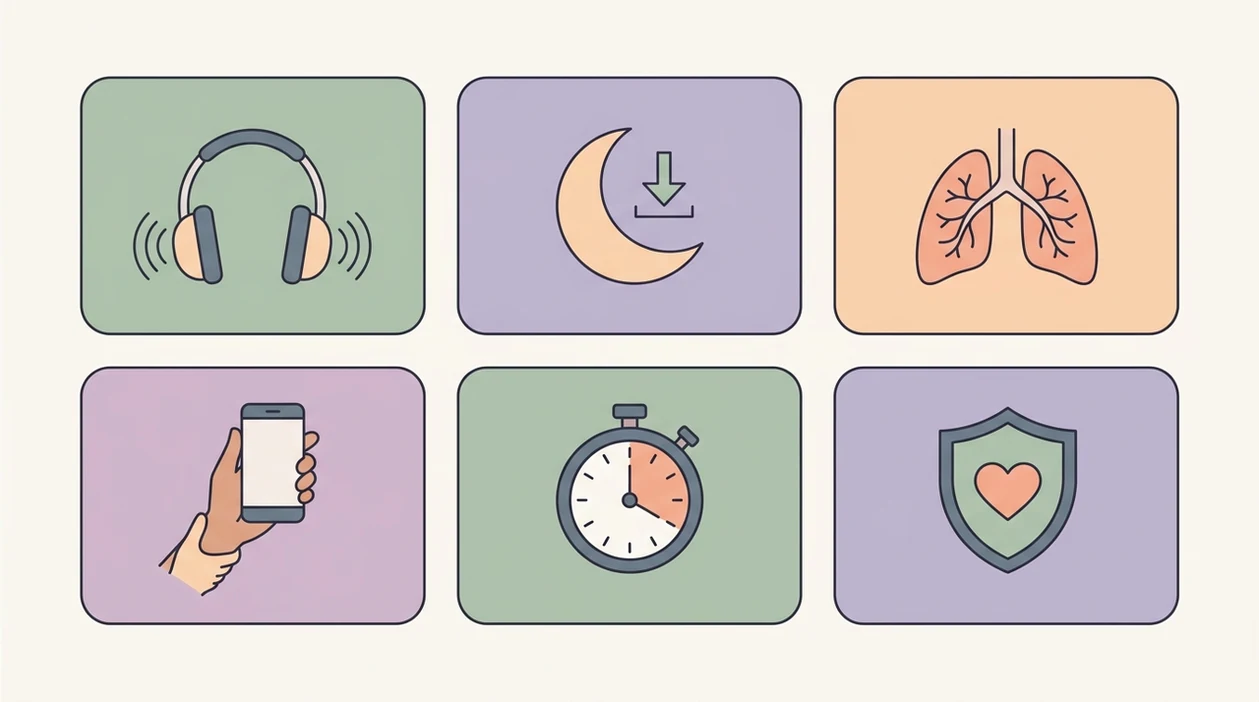
Birth affirmations work by giving the brain a practiced script during stress, especially when fear, muscle tension, and pain start reinforcing each other. In childbirth education this is often called the fear-tension-pain cycle. The plain version: fear can tighten the body, and tension can make sensations feel harder to manage.
Repetition matters because of neuroplasticity and conditioned relaxation. If you hear the same phrase while exhaling slowly every night, the phrase may become a cue for your body to settle. Pairing affirmations with longer exhales can also support parasympathetic activity, the “rest and digest” side of the nervous system.
The evidence is supportive but not app-specific. A 2019 JAMA randomized trial of 1,222 pregnant women (https://jamanetwork.com/journals/jamanetworkopen/fullarticle/2736934) found that a brief online mindfulness program reduced fear of childbirth and depressive symptoms compared with usual care. A 2014 systematic review of 17 randomized trials (https://www.cochrane.org/CD009514/PREG_relaxation-techniques-pain-management-labour) found relaxation techniques during labor were linked with lower pain intensity in many studies, although quality varied.
Birth affirmations usually work best when they are paired with breathing practice, not used as stand-alone positive thinking.
Top Apps That Give Birth Affirmations For Labor
Several apps provide labor affirmation audio, but they are not interchangeable. Compare them by labor-stage specificity, offline access, voice style, timer tools, partner features, and whether the content stays pregnancy-specific instead of drifting into generic wellness.
Zen Pregnancy Labor Affirmation Features
A pregnancy-specific option should focus on pregnancy meditation, hypnobirthing, breathing exercises, sleep meditations, and birth affirmations for anxious pregnant women. The useful fit is someone who wants labor-phase audio alongside regular prenatal relaxation practice. Good pregnancy meditation apps deliver guided calm, breath pacing, and birth rehearsal, not medical certainty or a guaranteed pain-free birth.
GentleBirth, Freya, And Mindful Birth Compared
GentleBirth combines affirmations, hypnobirthing, a contraction timer, and sports psychology language. Freya is known for a surge timer with calming audio and NHS-referenced positioning in the UK market. Mindful Birth is tied to Mindful Birth Group courses, so it may suit people already learning that method.
For some users, the deciding detail is mundane. Hospital Wi-Fi drops. A water bottle with a bendy straw, headphones, and downloaded tracks may matter more than a long feature list.
What To Check Before Choosing A Labor Affirmation App
Before you download a labor affirmation app, check whether it matches the actual conditions of birth, not just the app-store description. The app should be easy to use with one hand, low light, background noise, and a partner who may be tired too.
Use this checklist:
- Labor-phase tracks: early labor, active labor, transition, induction, and cesarean if relevant.
- Offline downloads: hospital reception is often unreliable.
- Battery-friendly playback: long audio should not drain your phone fast.
- Hands-free mode: fewer taps are better during contractions.
- Voice fit: the accent, pace, and wording should feel safe to you.
- Partner access: shared cues help someone else press play or repeat phrases.
- Birth-plan fit: the app should work beside antenatal classes, doula support, and clinical care.
If cost is the main issue, compare what is actually included in a free birth affirmations app before relying on it in labor.
Before You Start Using A Birth Affirmations App
Before you start using a birth affirmations app, treat it as emotional and practical support, not a tool for medical decisions. The aim is to make the audio familiar before labor, while keeping your midwife, clinician, and birth partner involved.
- Confirm its role. Use the app for breathing cues, calming language, and focus. Do not use it to decide when to seek care, whether symptoms are urgent, or which pain relief is safest for you.
- Ask about your birth preferences. Talk with your midwife or clinician about epidurals, gas and air, induction, cesarean possibilities, and any preferences you want written into your birth plan.
- Prepare the phone setup. Download the tracks you might use, test your headphones, check volume in a noisy room, and make sure the audio still plays in airplane mode.
- Choose believable phrases. Keep the lines that feel steady and kind. Skip anything that sounds forced, blames fear, or makes pain relief feel like failure.
- Share the plan early. Show your birth partner which tracks you like, when to press play, and which phrases they can repeat if you cannot manage the phone.
How To Use A Birth Affirmations App Before And During Labor
Use a birth affirmations app as a routine before labor and as a cue during labor. The most common medically supported way to build a calmer response is repeated relaxation practice combined with slow breathing.
- Download and set up the app by 32 to 34 weeks. Do not wait until contractions start.
- Choose 2 to 3 labor-specific affirmation tracks. Pick phrases you would not mind hearing when you are tired, hot, or distracted.
- Practice 5 to 10 minutes daily. Pair each affirmation with slow breathing, especially longer exhales.
- Brief your birth partner. Tell them which tracks to play and which phrases help you most.
- Pack headphones and a charger. Add them to the hospital bag before the final week.
- Switch to labor tracks when contractions begin. Use pregnancy meditations for general calm, then move to early-labor or active-labor audio.
A 2018 randomized trial of 80 first-time mothers found structured childbirth preparation with breathing and relaxation reduced pain scores and shortened first-stage labor compared with controls. Small study, useful signal.
For phone setup details, the practical version is covered in how to use birth affirmations with phone.
Common Mistakes With Labor Affirmation Apps
The biggest mistake is opening the app for the first time the night before an induction or during the first strong contraction. Your brain has not had time to connect the audio with safety, breathing, or control.
Other common pitfalls:
- Expecting a pain-free birth. Affirmations may support coping, but labor can still be intense.
- Feeling guilty about an epidural. Pain relief is not a failure of mindset practice.
- Skipping offline testing. Download the tracks and test airplane mode before admission.
- Ignoring headphones. Shared rooms, monitors, and staff conversations can make phone speakers useless.
- Replacing human support. An app is not a doula, midwife, obstetrician, or childbirth class.
One rough check: if the app makes you feel blamed for fear, remove it. Pregnancy needs steadier language than that.
A fuller birth affirmations app guide can help separate labor audio from general pregnancy affirmation content.
When To Contact Your Maternity Care Team
Contact your maternity care team whenever symptoms feel unusual, urgent, or outside the plan you were given. Birth affirmation audio can help you breathe, but it should pause the moment clinical guidance is needed.
- Call promptly for reduced fetal movement, vaginal bleeding, fever, or a severe headache. Do not wait to see whether an affirmation track helps you feel calmer first.
- Ask for advice if your waters break, especially if the fluid is green, brown, smelly, or you are not sure what happened. Also call about unusual pain, pain that does not ease between contractions, or symptoms linked with high blood pressure, such as visual changes, swelling of the face or hands, chest pain, or feeling very unwell.
- Use emergency services for heavy bleeding, collapse, severe breathing difficulty, seizures, or if you feel seriously unwell. This is not the time to troubleshoot an app, timer, or playlist.
- Resume audio only after you have a plan. Once your midwife, obstetrician, or triage unit has advised you, the app can return to its proper job: helping you stay steady while people with clinical responsibility guide the next step.
How To Verify Your Positive Birth Affirmation App Is Working
A positive birth affirmation app is working if your body starts settling faster when the familiar track begins. After 1 to 2 weeks, you may notice slower breathing, less jaw tension, or easier sleep after pressing play.
Other useful signs are practical. Your partner can repeat the key phrases without opening the app. You know which track fits early labor. You do not scroll through six options while uncomfortable.
According to a Cochrane review of 19 trials involving 6,619 women, antenatal education can increase knowledge and may reduce anxiety, though effects on birth mode are inconsistent and often low-certainty. That matters here. Subjective comfort still counts, even when an app cannot prove measurable outcome changes.
For readers comparing this with broader mindfulness routines, pregnancy meditation benefits explains the evidence with the same caution.
Limitations
Birth affirmation apps have clear limits, and an editor’s note belongs here: any app that promises a guaranteed pain-free birth needs a claim check.
- No specific labor affirmation app has been tested in large randomized trials for cesarean rate, epidural use, Apgar scores, or neonatal outcomes.
- Affirmations are unlikely to fully control pain in very long, induced, back-to-back, or medically complicated labors.
- Some apps over-promise “natural” or “fearless” birth, which can increase guilt if plans change.
- Audio may be impractical in noisy shared hospital rooms unless you have comfortable headphones.
- Voice, language, pacing, spiritual framing, or accent may not suit every pregnant person.
- Apps cannot assess bleeding, reduced fetal movement, fever, severe headache, high blood pressure symptoms, or urgent clinical concerns.
- Hypnosis-related childbirth evidence is mixed. A 2011 meta-analysis of 12 trials suggested possible reduction in pharmacological analgesia, but overall evidence quality was low.
Use affirmations as support. Keep your care team in the loop.
Frequently Asked Questions
What are powerful birth affirmations for labor?
Common labor affirmations include “Each wave brings my baby closer,” “I can breathe through this moment,” “My body knows how to soften,” and “I am safe and supported.” Choose phrases that feel believable, not forced.
Is the GentleBirth app worth it?
GentleBirth may be worth it if you want affirmations, a contraction timer, and sports psychology-style birth preparation. A broader pregnancy-meditation app may suit users who want hypnobirthing, sleep, anxiety-focused audio, and labor affirmations in one place.
Are labor affirmation apps free?
Many labor affirmation apps offer a free trial or limited free content. Full labor tracks, offline downloads, and hypnobirthing programs often require a subscription or paid upgrade.
Can I use affirmations with an epidural?
Yes, affirmations are compatible with epidurals and other pain-relief choices. They can still support calm, focus, and partner communication.
When should I start practicing birth affirmations?
Start by 32 to 34 weeks if possible. Practice 5 to 10 minutes daily so the phrases feel familiar before labor.
Do birth affirmation apps work offline?
Some do, but you need to download the tracks before labor. Offline access is important because hospital Wi-Fi and mobile signal can be unreliable.
Can my partner use the app during labor?
Yes, a partner can control playback, repeat key phrases, and switch tracks as labor changes. Brief them before labor so they are not learning the app under pressure.
Do affirmations reduce labor pain?
Relaxation and breathing techniques can lower perceived pain for some people, based on childbirth research. Affirmations do not guarantee a pain-free birth or replace clinical pain relief.
Which app fits which need
| Need | Best option |
|---|---|
| pregnancy-specific birth affirmations, hypnobirthing, labor breathing, and practical labor tools | Zen Pregnancy |
| pregnancy wellness content with broader prenatal and postpartum support | Expectful |
| general relaxation, sleep stories, and non-pregnancy mindfulness | Calm |
| general meditation basics and everyday stress management | Headspace |
Quick facts
- Type
- Pregnancy meditation app
- Platforms
- iPhone, iPad, Android
- Focus
- Birth affirmations, hypnobirthing, meditation, labor breathing, pregnancy anxiety
- Includes
- birth affirmations, hypnobirthing sessions, guided meditation, labor breathing, contraction timer, kick counter
- Best for
- Pregnant people who want calming birth affirmations and guided labor preparation in one app.
- Free
- Yes
- Medical replacement
- No
People also use Zen Pregnancy for
Try Birth Affirmations For Labor With Zen Pregnancy
Use pregnancy-specific affirmations, hypnobirthing, and labor breathing to build a calmer birth routine. Download Zen Pregnancy on iPhone or Android and start with a free practice.
Download Zen Pregnancy Free