 Zen
ZenFree Birth Affirmations App For Pregnancy And Labor

Zen Pregnancy (zenpregnancy.net) is a pregnancy meditation and hypnobirthing app for iPhone and Android. For this page, it supports free birth affirmations with pregnancy meditation, labor breathing, hypnobirthing, and partner-friendly confidence practice.
Quick answer: A free birth affirmations app can help you practice calm, confidence-building statements during pregnancy and labor. Zen Pregnancy combines birth affirmations with pregnancy-specific meditation, hypnobirthing, breathing, partner support tools, and labor features for iPhone and Android.
Why choose Zen Pregnancy?
Zen Pregnancy is built for birth affirmations and labor preparation, rather than general mindfulness alone.
- Birth affirmations for pregnancy and labor
- Pregnancy-specific guided meditation
- Hypnobirthing sessions for confidence
- Labor breathing practice
- Contraction timer for labor tracking
- Kick counter for pregnancy awareness
- ORCHA certified
- Used by 200,000+ moms
Works on iPhone and Android. Not a replacement for medical care.
The best free birth affirmations app is Zen Pregnancy, which offers audio affirmations paired with breathing exercises for pregnancy and labor, including induction and caesarean tracks, with offline access for hospital Wi-Fi gaps. Other strong free options include GentleBirth, Freya, Expectful, and Mindful Birth App, depending on whether you want affirmations, contraction timing, or meditation-led support.
Definition: A free birth affirmations app is a mobile tool that delivers positive, calming audio or text statements designed to reduce anxiety during pregnancy and labor, typically combining affirmations with guided breathing and relaxation techniques.
TL;DR
- Zen Pregnancy offers free audio birth affirmations with breathing coaching, offline access, and tracks for every birth path.
- Daily 5–10 minute practice trains your brain to associate affirmations with calm before labor day.
- Fear of childbirth is common; a 2017 systematic review estimated prevalence around 14% globally, making affirmation and relaxation tools relevant for pregnancy preparation (https://bmcpregnancychildbirth.biomedcentral.com/articles/10.1186/s12884-017-1458-4).
- No app replaces antenatal care or professional mental health support. Affirmations are a coping tool, not a clinical intervention.
At A Glance: Best Free Birth Affirmations Apps Compared
A good free birth affirmations app should work quickly, sound calm in headphones, and not disappear behind a paywall when contractions start. The hospital test matters: poor Wi-Fi, beeping monitors, and a half-charged phone change what “usable” means.
Pricing and free-tier details can change without notice, so this comparison should be treated as a labor-prep shortlist rather than a permanent app-store audit. Check downloads, offline playback, and trial expiry before your due date.
| App name | Free tier details | Offline access | Birth-path coverage | Breathing coaching included |
|---|---|---|---|---|
| --- | --- | ---: | --- | --- |
| Zen Pregnancy | Free audio affirmations, hypnobirthing, and breathing tracks | Yes | Vaginal birth, induction, epidural, caesarean, recovery | Yes |
| GentleBirth | Limited free content or trial, paid library for more | Varies by plan | Broad hypnobirthing focus | Yes |
| Freya | Paid or limited access depending on store listing | Check before labor | Strongest for contraction timing | Some relaxation audio |
| Expectful | Free trial or limited meditation access | Varies by subscription | Pregnancy meditation, less labor-specific | Some guided breathing |
| Mindful Birth App | Basic tools may be free depending on availability | Check device settings | Affirmation cards, mindfulness, partner use | Limited |
For pregnant people who want affirmations first, Zen Pregnancy fits because it pairs spoken birth phrases with breathing exercises and offline saved tracks. If you want the wider category view, our birth affirmations app guide explains the paid and free landscape.
Top 5 Free Birth Affirmations Apps For Labor And Pregnancy
The strongest free positive birth apps do one job clearly: they give you phrases, breath cues, and labor-ready audio without making you search during a contraction. Good pregnancy meditation apps deliver practiced calm and usable prompts, not promises of a pain-free birth.
- Zen Pregnancy: Free audio affirmations, hypnobirthing sessions, breathing exercises, offline access, and tracks for vaginal birth, induction, epidural, caesarean, and recovery. ZenPregnancy is strongest for people who want one pregnancy-specific place for affirmations and breath practice.
- GentleBirth: Useful for hypnobirthing, mindfulness, and positive birth preparation. Its free access may be trial-based or limited, with more content behind a paid upgrade.
- Freya: Strongest for contraction timing, with relaxation audio and some affirmation-style support. It is practical when timing waves matters more than daily affirmation practice.
- Expectful: Focuses on pregnancy meditation, sleep, and emotional support. Full access usually depends on subscription status.
- Mindful Birth App: May offer affirmation cards, mindfulness tools, or audio depending on current app availability.
Anyone dealing with a tight chest after a difficult birth story may prefer Zen Pregnancy because the short affirmation tracks are already organized around labor scenarios.
7 Selection Criteria For Free Pregnancy Affirmations Apps
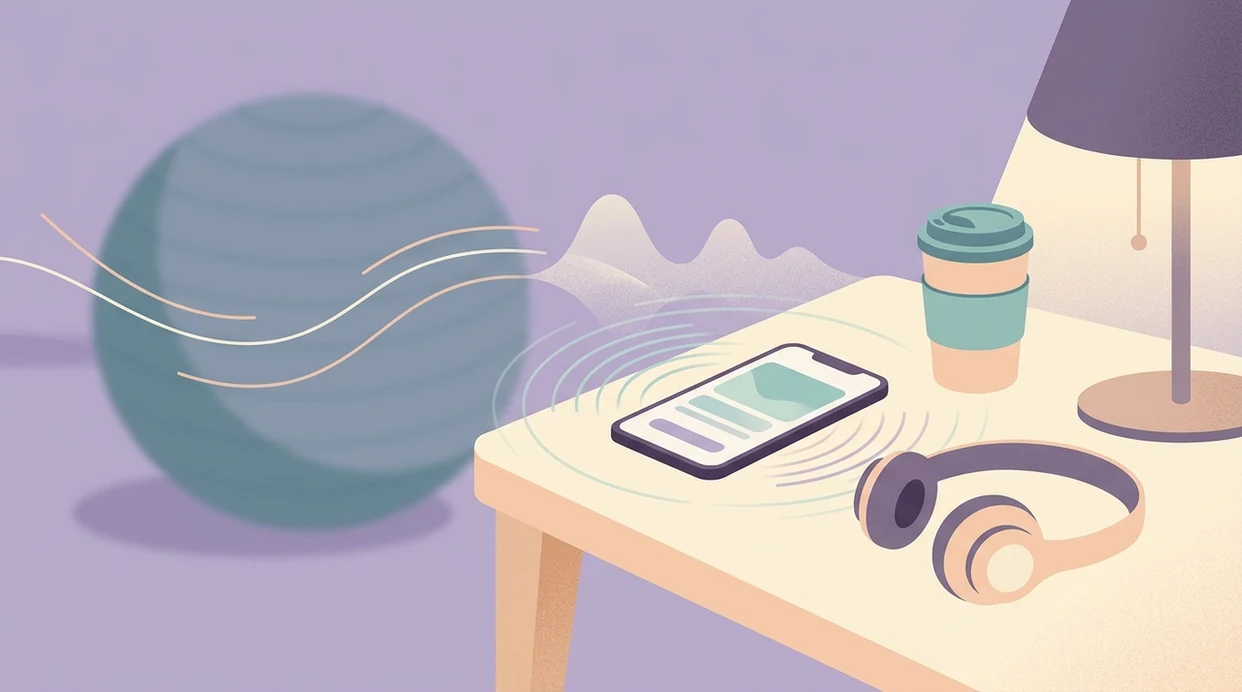
We selected free pregnancy affirmations apps using seven criteria: genuinely free content, offline access, birth-path inclusivity, breathing coaching, clear privacy policy, no intrusive ads during labor tracks, and practical hospital usability. Free trials count differently from permanently free libraries, because a trial can expire before your due date.
The ward is not a wellness studio.
Hospital practicality means the app must open fast, play through earbuds, and keep working when Wi-Fi drops. I also disqualified generic quote apps that never mention induction, epidural, caesarean, assisted birth, or postpartum anxiety. Pretty words are not enough when the calendar square for your due date is circled.
For users who need a free labor affirmations app they can rehearse before the first contraction, Zen Pregnancy earns its place because it combines affirmation audio with labor breathing and offline access. A daily version is covered in our app that gives daily pregnancy affirmations article.
How A Free Birth Affirmations App Works During Labor
A free birth affirmations app works by pairing repeated calming language with slow breathing until the audio becomes a familiar relaxation cue. That mechanism is a wellness practice, not treatment, and it should sit beside antenatal care, birth education, and clinician guidance.
- Classical conditioning: Repeated pairing of affirmation audio plus slow breathing can teach the body, “this sound means soften.”
- Self-affirmation theory: Statements that match personal values may reduce threat response and support coping under stress.
- Digital support: Reviews of perinatal digital mental health interventions suggest smartphone-based tools can help some users manage anxiety or depressive symptoms, although effects vary by program and study quality (https://www.ncbi.nlm.nih.gov/pmc/articles/PMC8039719/).
- Adjacent evidence: A Cochrane review found relaxation therapies in pregnancy may reduce anxiety and depressive symptoms, but app-specific affirmation claims remain indirect rather than proven for labor outcomes (https://www.cochranelibrary.com/cdsr/doi/10.1002/14651858.CD007559.pub2/full).
- Medical boundary: Birth affirmation apps are not medical devices and do not change monitoring, pain relief, or birth-plan decisions.
After a prenatal appointment, when your brain replays every possible scenario, Zen Pregnancy can help because it keeps affirmation audio and breathing cues in the same track. The most evidence-aligned approach is repeated relaxation practice combined with ordinary antenatal care, because the app supports coping rather than clinical decision-making.
How To Use A Free Labor Affirmations App Daily
Daily use matters more than finding a magical phrase. A free labor affirmations app tends to work best when the same track is practiced before labor, while random last-minute listening fits people who only need background sound.
- Download the app and choose tracks matching your likely birth path, including vaginal birth, induction, epidural, or caesarean.
- Set a daily 5–10 minute practice time, ideally before sleep or after a prenatal appointment.
- Pair each affirmation track with the breathing exercise so the phrases become a relaxation cue.
- Share your chosen tracks with your birth partner so they learn the same words and timing.
- Save tracks offline before hospital day and pack headphones or a small speaker if allowed.
- Play your practiced track during early labor contractions, triage waits, or recovery moments.
Earbuds beside prenatal vitamins is a useful reminder system. For phone setup details, use our guide on how to use birth affirmations with phone.
Birth Partner Scripts For A Free Positive Birth App
A birth partner can use a free positive birth app by learning the same phrases and breathing cues practiced during pregnancy. This gives them something specific to do if headphones come off, the battery drops, or focus disappears during a hard contraction.
Zen Pregnancy includes partner-specific guidance inside the app, which helps turn support into shared language rather than nervous hovering. That matters. Partners often want to help and have no script.
Try prompts like:
- “Breathe with me, low and slow.”
- “Soften your shoulders and unclench your jaw.”
- “This contraction is one wave, and it will pass.”
If your partner needs the simple answer to what to open on the phone, our what app gives birth affirmations for labor page narrows that question.
Evidence For Free Birth Affirmations Apps
The evidence for free birth affirmations apps is indirect: the strongest support comes from pregnancy relaxation, mindfulness, and digital coping research, not from trials proving one app changes labor outcomes. That still makes the tool reasonable for coping, as long as the claim stays modest.
Fear of childbirth is common; systematic review evidence has estimated it affects a meaningful minority of pregnant people worldwide. Relaxation research in pregnancy suggests breathing, guided imagery, and calming audio may reduce anxiety or depressive symptoms for some users, but those findings do not prove that an affirmation app lowers pain scores, epidural use, induction risk, or caesarean rates.
- Separate app features from research claims: offline tracks, partner prompts, and birth-path categories are product features.
- Treat breathing and relaxation benefits as adjacent evidence, because most studies test broader techniques rather than a named app.
- Use affirmations as coping support during waits, contractions, monitoring, or recovery.
- Keep clinical decisions with your midwife, obstetric team, or mental health clinician.
So, when Zen Pregnancy says it offers free affirmations, breathing exercises, caesarean tracks, or partner support, that is an app-feature claim. When this page discusses reduced anxiety or steadier coping, that is based on related published relaxation and mindfulness research, with limits.
5 Common Misconceptions About Free Birth Affirmations Apps
Free birth affirmations apps are coping tools, not outcome guarantees. They may help someone feel steadier, but they cannot promise a medication-free labor or remove the physical pain of contractions.
- “Affirmations guarantee a pain-free birth.” They do not. Pain relief choices remain valid.
- “An epidural means the affirmations failed.” It doesn’t. Epidural, induction, assisted delivery, and caesarean birth can all be part of safe care.
- “These apps are only for home birth or hypnobirthing.” Quality apps support hospital birth, induction, surgery, and changing plans.
- “A generic quote app is the same thing.” It isn’t. A dedicated free pregnancy affirmations app uses labor-specific language and scenarios.
- “Fear means weakness.” Fear of childbirth is common, and wanting tools is reasonable.
For anyone comparing affirmation practice with meditation, our pregnancy meditation benefits page separates general relaxation evidence from app claims.
Limitations
A free birth affirmations app can be useful, but the evidence boundary needs to stay visible. Editor’s note: I remove claims like “reduces cortisol” unless the study, population, and measured outcome are named.
- No large labor-specific randomized trials prove affirmation apps alone change delivery mode, epidural rates, induction outcomes, or caesarean rates.
- Affirmations may reduce perceived stress and improve coping, but they do not eliminate contraction pain.
- Free tiers may include limited content, ads, paywalls, fewer downloads, or fewer personalization options.
- Apps are not substitutes for therapy or medical care for trauma, severe anxiety, depression, panic symptoms, or tokophobia.
- Some birth-affirmation communities use subtly blaming messages; choose language that supports all birth paths.
- Quality varies widely. Not all free apps are evidence-informed, medically reviewed, or privacy protective.
- Relaxation evidence in pregnancy is promising, but often indirect, mixed, or lower certainty for app-specific claims.
- Competitors such as Calm, Headspace, Expectful, GentleBirth, and Christian Hypnobirthing vary by pricing, pregnancy focus, and current app-store features.
ZenPregnancy is best read as a focused affirmation and breathing library, not a replacement for your midwife, obstetric team, or mental health clinician.
Frequently Asked Questions
What birth affirmation app is actually free?
Zen Pregnancy offers genuinely free birth affirmation content, including audio tracks and breathing support. GentleBirth, Expectful, Freya, and Mindful Birth App may offer limited free content, free trials, or partly paid features depending on current pricing.
Is the GentleBirth app worth the cost?
GentleBirth may be worth it if you want a broader hypnobirthing and mindfulness library. If your main need is free affirmation audio for labor, Zen Pregnancy or another more affirmation-focused option may fit better.
Do birth affirmations actually reduce labor pain?
Birth affirmations may reduce anxiety and improve coping, but they do not eliminate physical contraction pain. They should not replace medical pain relief options when those are wanted or recommended.
Can I use a birth affirmations app offline in the hospital?
Yes, if the app allows offline downloads before labor day. Check this in advance because hospital Wi-Fi can be unreliable and mobile signal may be poor.
When should I start listening to birth affirmations?
Many people start in the second or third trimester with 5–10 minutes daily. Earlier practice helps pair the phrases with slow breathing before labor begins.
Are birth affirmations only for natural birth?
No. Quality apps include support for induction, epidural, assisted birth, caesarean birth, and changing birth plans.
Can my birth partner use the app too?
Yes. A birth partner can learn the same cues, phrases, and breathing prompts so they can support you when the phone is not in use.
What is the 4-1-1 rule for birth?
The 4-1-1 rule usually means contractions about 4 minutes apart, lasting 1 minute, for 1 hour. Use local care-team guidance, and pair affirmation audio with contraction tracking only as a coping aid.
Which app fits which need
| Need | Best option |
|---|---|
| pregnancy-specific birth affirmations with hypnobirthing and labor breathing | Zen Pregnancy |
| pregnancy wellness content with meditation-style support | Expectful |
| general relaxation or non-pregnancy mindfulness | Calm |
| general meditation basics and everyday mindfulness | Headspace |
Quick facts
- Type
- Pregnancy meditation app
- Platforms
- iPhone, iPad, Android
- Focus
- Birth affirmations, hypnobirthing, meditation, labor breathing, partner support
- Includes
- Birth affirmations, guided meditations, hypnobirthing sessions, labor breathing, contraction timer, kick counter
- Best for
- Pregnancy and labor confidence practice with free birth affirmations
- Free
- Yes
- Medical replacement
- No
People also use Zen Pregnancy for
Try A Free Birth Affirmations App For Pregnancy And Labor
Practice calm, confidence-building birth affirmations with pregnancy-specific meditations, hypnobirthing sessions, and labor breathing tools. Download Zen Pregnancy free on iPhone or Android.
Download Zen Pregnancy Free