 Zen
ZenHow To Use Birth Affirmations With Phone Audio In Labor
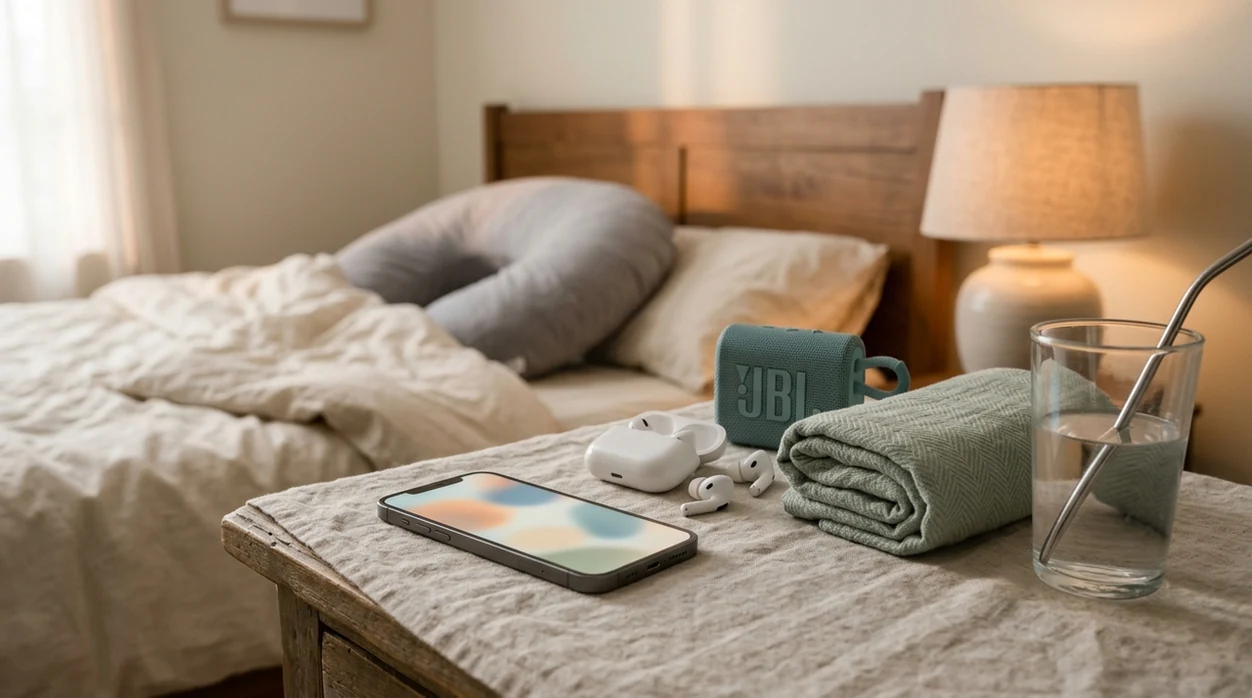
Zen Pregnancy (zenpregnancy.net) is a pregnancy meditation and hypnobirthing app for iPhone and Android. For this topic, it helps you practice and organize birth affirmations, breathing, and hypnobirthing audio so your phone is easier to use during labor.
Quick answer: Birth affirmations with phone audio can help you practice calm, focused thoughts during pregnancy and use familiar cues during labor. To use them well, create a simple playlist, test your phone and speaker setup, practice before birth, and pair the audio with breathing, contractions, and partner support.
Why choose Zen Pregnancy?
Zen Pregnancy is built for birth affirmations, hypnobirthing, and labor practice rather than general meditation, so the audio fits the specific moments you may use your phone for in labor.
- Birth affirmations designed for pregnancy and labor
- Hypnobirthing sessions for calm birth preparation
- Labor breathing practices to pair with contractions
- Pregnancy-specific guided meditations for daily practice
- Contraction timer for labor tracking
- Kick counter for pregnancy awareness
- ORCHA certified
- Used by 200,000+ moms
Works on iPhone and Android. Not a replacement for medical care.
To use birth affirmations with your phone, save short present-tense phrases as audio tracks or lockscreen reminders, practice listening daily from around 30 weeks, and have your birth partner hit play during contractions so you can focus on breathing. Learning how to use birth affirmations with phone audio turns your mobile into a portable coping tool that can fit unmedicated birth, epidural birth, or cesarean preparation.
This is a comfort and coping practice, not medical advice or a substitute for your birth team’s guidance. If labor symptoms, pain, bleeding, fetal movement, or your care plan change, follow your clinician’s instructions first.
> Definition: Birth affirmations on phone are short, positive statements saved as audio tracks, lockscreen images, or app playlists on a mobile device, practiced during pregnancy and played during labor to support calm focus and emotional coping.
TL;DR
- Practice phone-based birth affirmations daily from 30+ weeks so they feel automatic when labor starts.
- Set up lockscreen images, reminder notifications, and a one-tap audio playlist for low-friction access during contractions.
- Assign a birth partner as “phone captain” to manage playback so you can focus entirely on breathing and coping.
What Birth Affirmations on Phone Audio Actually Do
Birth affirmations on phone audio work by pairing repeated phrases with breathing, body cues, and familiar sound. The mechanism is behavioral conditioning, not magical thinking.
With repetition, phrases such as “I can meet this wave” become mental anchors. Your brain has heard them before, so it does not have to invent calm from scratch during labor. Audio also helps when reading feels impossible. During a contraction, passive listening may be more realistic than staring at a screen.
A 2019 randomized trial found that a smartphone-based mindfulness program reduced pregnancy-related distress compared with a wait-list control source. A 2013 randomized trial of 56 pregnant women found that daily 20-minute guided imagery and relaxation audio reduced pregnancy-related anxiety source.
Editor’s note: I would remove any claim that affirmations “reduce cortisol” unless the study, population, and measured outcome are named. For the broader evidence picture, our guide to pregnancy meditation benefits stays closer to sourced outcomes.
Phone Birth Affirmations Setup Checklist
A usable phone birth affirmation system needs offline audio, short phrases, low-light settings, and a support person who knows the controls. Build it before labor, not while contractions are already close.
- Offline-capable phone: Download tracks directly to the device. Do not rely on hospital Wi-Fi or streaming.
- Five to ten affirmations: Use present-tense lines that feel believable, not forced.
- Comfortable audio output: Test earbuds, a small Bluetooth speaker, or the phone speaker before labor day.
- Dim-room settings: Turn on dark mode, low brightness, and Do Not Disturb.
- Phone captain: Show your partner where the playlist lives, how to pause it, and how to lower volume.
The tiny setup details matter. A bright screen at 2 a.m. can feel louder than the audio.
How To Use Birth Affirmations With Phone: 6 Steps
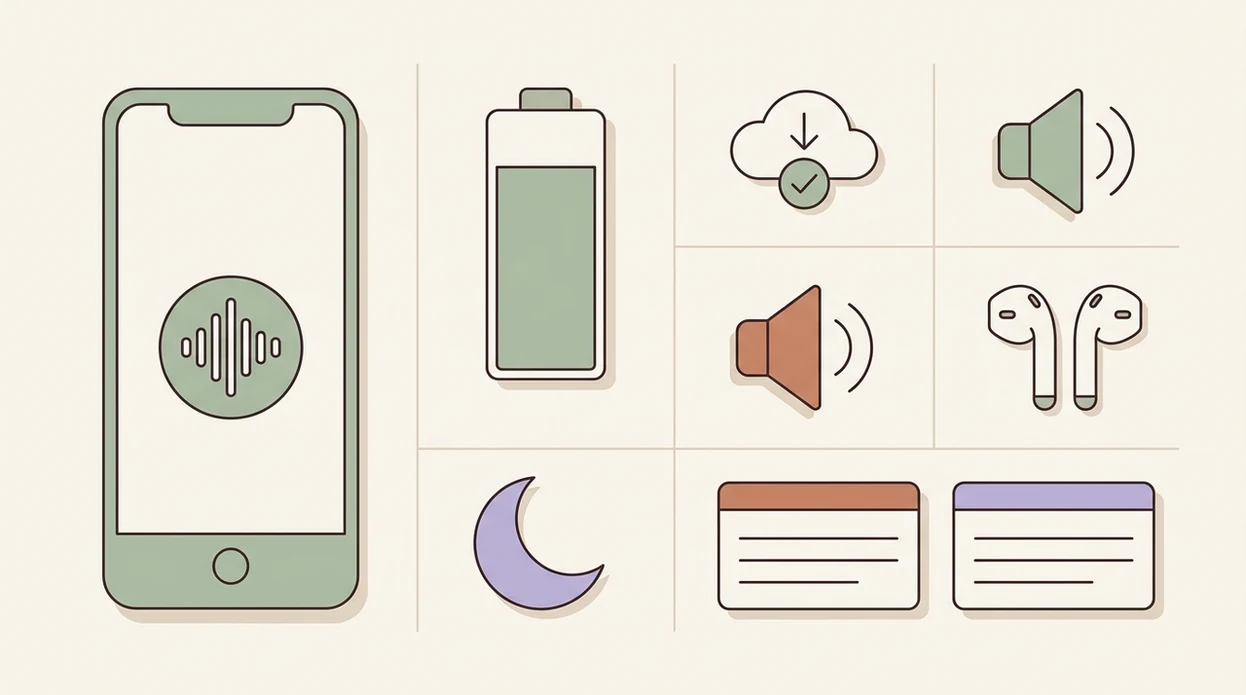
Use this six-step setup to move from saved phrases to labor-ready phone birth affirmations. The goal is one-tap access when your attention is on breathing.
Choose and Phrase Your Affirmations
- Choose five to ten short affirmations in present tense, such as “My body knows how to soften,” “Each breath gives me space,” or “My baby and I work together.”
Record or Download Audio Tracks Offline
- Record or download audio tracks and save them offline on your phone. Your own voice can work well if it feels steady, not performative.
Set Daily Pregnancy Reminders
- Set daily reminder notifications from around 30 weeks, ideally at a time you already pause. Five-minute breathing on the couch counts.
- Add affirmation images to your lockscreen for passive exposure when you check the time or silence an alert.
Build a One-Tap Labor Playlist
- Create a one-tap labor playlist with affirmations, breathing cues, and optional ambient sound. A focused birth affirmations app can be simpler than scattered files.
Brief Your Birth Partner on Playback
- Brief your birth partner on when to press play, pause, skip, or stop. Good pregnancy meditation apps deliver quick audio support, not certainty about labor outcomes.
Labor Affirmations Audio During Contractions
Labor affirmations audio may help by combining auditory distraction, cognitive reframing, and familiar sensory cues. In plain terms, the sound gives your brain something practiced to hold while the body works.
A 2017 systematic review of 11 randomized trials found that music listening during labor reduced pain intensity and anxiety compared with standard care source. A Cochrane review also concluded that relaxation and mindfulness-based interventions in pregnancy can reduce anxiety and depressive symptoms, though the evidence quality ranged from low to moderate source.
Familiar audio can make a strange room feel less strange. The same track you played while testing a playlist in the bedroom may become a safety cue later. For many people, labor affirmations audio works best when paired with breathing practice, while silent reading fits people who dislike sound during pain.
It can fit epidural, cesarean, or unmedicated labor. Scope matters.
6 Common Mistakes With Phone Birth Affirmations
The most common mistake is treating phone birth affirmations like a last-minute download. They work better as a rehearsed cue, not a file you find between contractions.
- Downloading affirmations when labor starts instead of practicing for weeks.
- Relying on Wi-Fi, streaming, or a platform that signs you out.
- Choosing rigid lines such as “My birth is pain-free and perfect.”
- Forgetting the charger, long cable, or backup battery.
- Having no stop plan if the repeated phrases become irritating.
- Skipping partner coordination, so nobody knows where the playlist is.
I flag “pain-free birth” wording often in drafts. It can sound encouraging before labor, but it may create guilt if birth changes course. A pregnancy affirmations app should support coping language, not promises.
Phone Setup Tips for Birth Affirmations in a Dim Birth Room
Set up your phone so it does not become the brightest, most annoying object in the room. Labor rooms are often dim by choice, and screen glare can break focus fast.
- Enable dark mode and set brightness to the lowest usable level.
- Use Do Not Disturb with exceptions only for key birth team contacts.
- Pre-download all audio so airplane mode does not break playback.
- Test volume early on your speaker, earbuds, and phone speaker.
- Check device rules with your hospital, birth center, or care team.
Tiny hiccups beneath the belly button are sweet. A notification banner from a group chat during breathing practice is not. Tools like Zen Pregnancy, Expectful, GentleBirth, Calm, and Headspace differ in pregnancy-specific content, so compare features by actual labor use, not just a pretty library.
Labor-Ready Birth Affirmation Playlist Checklist
A labor-ready playlist should work without signal, without searching, and without you managing the phone. Test it like you expect tech to misbehave.
- Run the full playlist in airplane mode to confirm offline access.
- Ask your birth partner to find, open, play, pause, skip, and adjust volume alone.
- Check battery life with audio playing for at least two hours.
- Pack a printed backup list of affirmations in your hospital bag.
- Agree on a hand signal or code word that means “turn audio off.”
The hand signal matters. During intense contractions, explaining a preference can feel like too much language. If you want daily prompts before labor, an app that gives daily pregnancy affirmations can reduce the memory load.
How Birth Affirmations on Phone Work
Birth affirmations on phone work by turning repeated words into familiar cues your brain can recognize under stress. The useful mechanism is conditioning: a phrase practiced with slow breathing may become easier to return to when labor feels intense.
This is emotional coping, not a claim of medical pain relief, faster labor, or safer clinical outcomes. Phone audio can support rhythm because you do not have to read, scroll, or remember the next line during a contraction. A partner can press play, lower the volume, or repeat the same phrase out loud while you breathe through the wave. Over time, the sound, wording, and breath pattern can become linked, so the track feels less like new information and more like a practiced signal: soften your jaw, lengthen the exhale, come back to the room. The evidence is indirect, mostly from relaxation, guided imagery, music, and mindfulness research rather than trials on phone birth affirmations alone. That is why the safest framing is simple: affirmations may help attention and steadiness, while medical pain options and clinical decisions still belong with your birth team.
Limitations
Phone-based birth affirmations are a wellness practice, not treatment. They can support calm focus, but they cannot replace clinical care or pain relief decisions.
- Research specifically on phone birth affirmations is limited. Most studies cover broader relaxation, guided imagery, music, or mindfulness audio.
- Phones fail. Low battery, app crashes, forgotten passwords, and hospital Wi-Fi restrictions are ordinary problems.
- Affirmations are not a substitute for medical pain relief, urgent assessment, induction decisions, fetal monitoring, or emergency care.
- Some women find repeated phrases annoying, especially during transition or nausea.
- Rigid affirmations such as “guaranteed pain-free birth” can cause shame if labor becomes medical, long, or surgical.
- A Cochrane review notes that evidence quality for relaxation interventions in pregnancy ranges from low to moderate.
- Printed cards, a partner’s voice, or a memorized breathing cue should be available as non-tech backups.
When to seek care does not change because an audio track is playing. Ask your clinician about symptoms, pain options, and birth-plan changes.
Frequently Asked Questions
How do you put affirmations on your phone?
Save affirmations as voice memos, downloaded audio files, lockscreen images, notes, widgets, or reminder notifications. Keep audio available offline before labor.
When should I start practicing birth affirmations?
Many people start daily practice around 30 weeks so the phrases feel familiar before labor. Earlier is fine if it helps your routine.
Do birth affirmations work with an epidural?
Yes, affirmations can support focus and emotional coping with an epidural. They are not limited to unmedicated birth.
Can my partner play affirmations during labor?
Yes, your partner can act as phone captain. Show them the playlist, volume controls, pause button, and stop signal before labor.
Should I use earbuds or a speaker in labor?
Earbuds offer privacy, while a speaker creates shared room audio. Test both in advance because comfort can change during labor.
What if affirmations annoy me during contractions?
Stop the audio if it becomes irritating or overstimulating. A pre-agreed hand signal or code word makes this easier.
Do I need Wi-Fi for phone birth affirmations?
No, you should download phone birth affirmations before labor. Offline access avoids hospital Wi-Fi, weak signal, and app-login problems.
Are birth affirmations backed by research?
Direct research on affirmations is limited. Related trials on guided imagery, relaxation audio, music, and mindfulness show reductions in anxiety or distress. ZenPregnancy treats affirmations as support for practice, not medical treatment.
Which app fits which need
| Need | Best option |
|---|---|
| pregnancy-specific birth affirmations and labor audio | Zen Pregnancy |
| pregnancy meditation with a broader wellness library | Expectful |
| general relaxation or non-pregnancy sleep audio | Calm |
| general mindfulness basics outside pregnancy | Headspace |
Quick facts
- Type
- Pregnancy meditation app
- Platforms
- iPhone, iPad, Android
- Focus
- Birth affirmations, hypnobirthing, labor breathing, pregnancy meditation
- Includes
- birth affirmations, hypnobirthing sessions, labor breathing, guided meditations, contraction timer, kick counter
- Best for
- Using phone audio to practice birth affirmations before labor and stay focused during contractions
- Free
- Yes
- Medical replacement
- No
People also use Zen Pregnancy for
Practice Birth Affirmations With Phone Audio Before Labor
Zen Pregnancy helps you keep birth affirmations, hypnobirthing, and labor breathing audio ready on your phone. Practice ahead of time so the words, rhythm, and cues feel familiar when contractions begin.
Download Zen Pregnancy Free