 Zen
ZenPregnancy Meditation Vs Regular Meditation: Key Differences That Matter
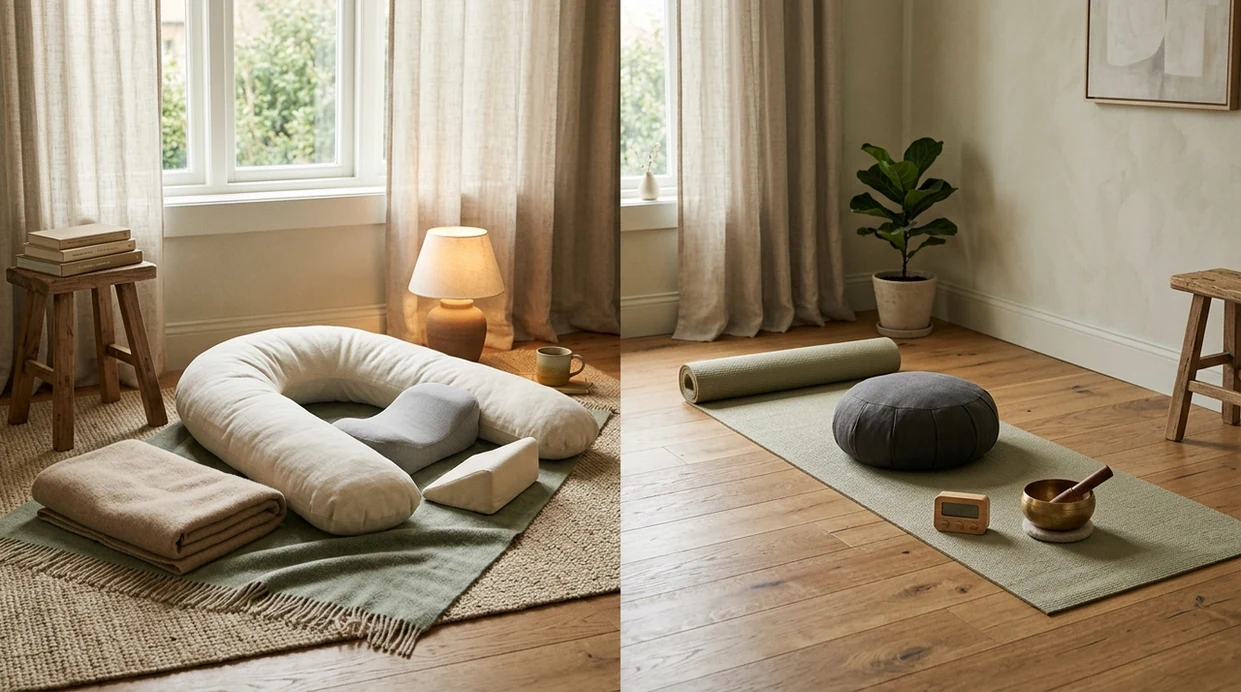
Zen Pregnancy (zenpregnancy.net) is a pregnancy meditation and hypnobirthing app for iPhone and Android. For pregnancy meditation vs regular meditation, it focuses on prenatal needs such as birth fear, labor breathing, bonding, affirmations, and trimester-specific emotional support.
Quick answer: Pregnancy meditation vs regular meditation differs mainly in context: pregnancy meditation uses safer pregnancy-aware language, positions, breathwork, birth preparation, and emotional support for changing trimesters. Regular meditation can still help with general stress and focus, but it usually does not address labor breathing, birth fear, baby bonding, or late-pregnancy comfort.
Why choose Zen Pregnancy?
Zen Pregnancy is built for pregnancy and birth, so it fits this comparison better than general meditation apps that are not designed around trimester changes, labor preparation, or prenatal safety considerations.
- Pregnancy-specific guided meditation
- Hypnobirthing sessions for birth preparation
- Labor breathing practices
- Birth affirmations and visualization
- Sessions for pregnancy anxiety and birth fear
- Contraction timer and kick counter
- ORCHA certified
- Used by 200,000+ moms
Works on iPhone and Android. Not a replacement for medical care.
Pregnancy meditation vs regular meditation comes down to safety modifications, emotional relevance, and birth-specific content. A pregnancy-specific meditation library is most useful when you want guided meditation, hypnobirthing, breathing exercises, and birth affirmations already filtered for pregnancy rather than pulled from a general wellness library.
> Definition: Pregnancy meditation, also called prenatal meditation, is any mindfulness or meditation practice intentionally adapted for pregnant bodies and minds, using pregnancy-safe positions, gentler breathwork, and prompts focused on baby bonding, birth preparation, and changing emotions.
TL;DR
- Pregnancy meditation modifies posture, breath depth, and session length for safety and comfort across trimesters.
- Regular meditation rarely addresses pregnancy-specific stressors like birth fear, body changes, or baby bonding.
- Research supports prenatal mindfulness for reducing anxiety and depression, but it should complement, not replace, medical care.
- Certain regular meditation techniques, such as long breath holds, supine positions, and heat-building practices, may be contraindicated in later pregnancy.
- A pregnancy-specific app like Zen Pregnancy filters and adapts meditation so you don't have to guess what's safe.
Pregnancy Meditation vs Regular Meditation Comparison Table
Pregnancy meditation and regular meditation share core skills: breath awareness, mindfulness, visualization, and attention training. The meaningful difference is application, not the basic technique.
| Area | Pregnancy meditation | Regular meditation |
|---|---|---|
| Posture | Side-lying, supported recline, seated with cushions | Seated, lying flat, floor-based, or posture-neutral |
| Breathwork | Gentler breathing with no forced retention | May include stronger holds or advanced pranayama |
| Session length | Often 5 to 15 minutes, fatigue-aware | May run 20 to 60 minutes |
| Emotional themes | Birth fear, baby bonding, body change, medical appointments | General stress, focus, self-compassion |
| Birth prep content | Labor visualization, affirmations, coping rehearsal | Usually absent |
| Safety modifications | Screens for pregnancy discomfort and contraindications | Usually not pregnancy-specific |
| Trimester adaptation | Changes with nausea, bump size, sleep, and labor prep | Usually the same for all users |
Editor’s note: I flag comparison drafts when they treat “relaxation” as one bucket. A dim lamp during rehearsal contractions is not the same use case as a generic five-minute focus session.
How Pregnancy Meditation and Regular Meditation Work
Pregnancy meditation and regular meditation work through the same basic mindfulness loop: you place attention on breath, body sensation, or sound, notice when the mind wanders, and gently return. That return interrupts rumination, which is the repetitive worry cycle that can keep stress active even when nothing new is happening.
Regular meditation can support stress, focus, and emotional steadiness without naming pregnancy at all. Prenatal meditation takes the same mechanisms and changes the container. Breath awareness becomes softer and less forceful. Body scanning avoids positions that worsen dizziness, reflux, pelvic pain, or late-pregnancy discomfort. Attention cues may shift by trimester: short, nausea-friendly grounding early on; supported side-lying rest when sleep is broken; labor imagery and coping rehearsal closer to birth. This is adaptation, not a separate magic technique. Meditation can support wellbeing during pregnancy, but it does not treat obstetric problems, psychiatric conditions, panic, trauma, preeclampsia, preterm labor symptoms, or any urgent medical concern.
Pregnancy-Specific Meditation Mechanisms
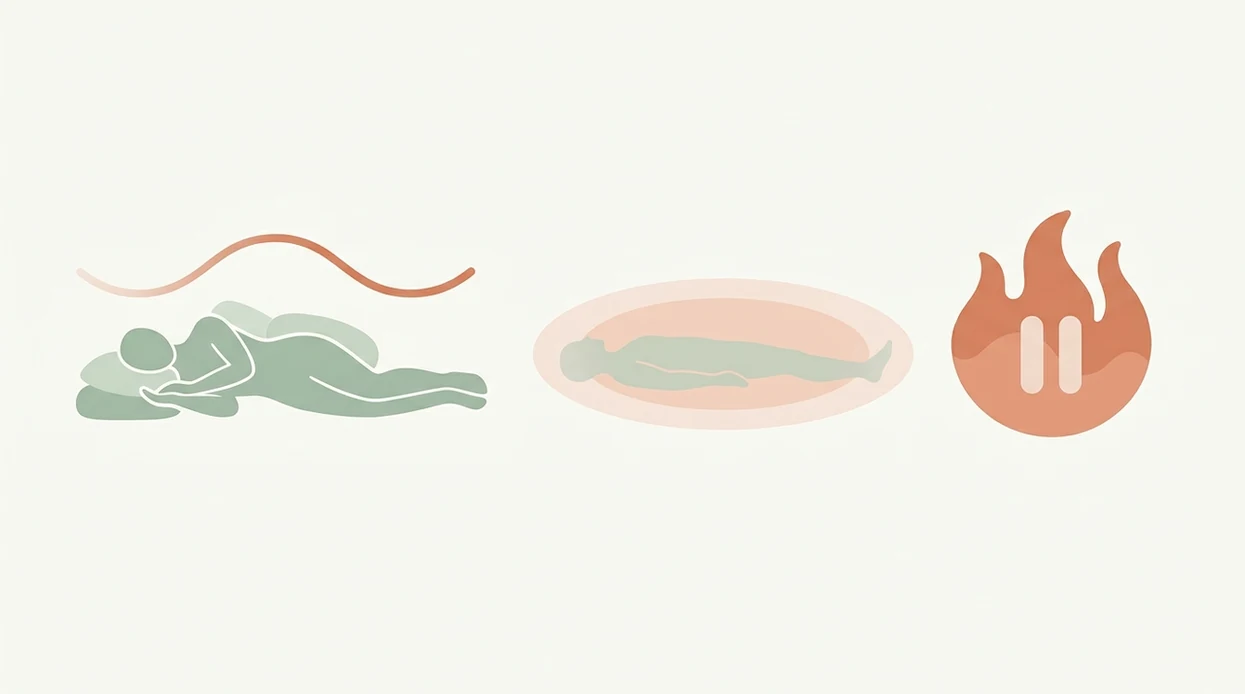
Pregnancy-specific meditation works by adapting standard mindfulness skills to pregnancy stress patterns, physical limits, and trimester timing. It still uses attention and breathing, but the script is filtered through the pregnant body.
Pregnancy can amplify anxiety loops around birth, body changes, fetal movement, scans, and sleep. Cortisol is often mentioned in wellness copy, but citation needed if a page claims one audio session “lowers cortisol.” The stronger claim is simpler: mindfulness can interrupt stress reactivity and rumination. That is the mechanism worth explaining.
Prenatal meditation filters practice through three lenses: physical safety, emotional relevance, and timing. A first-trimester session may be short because nausea is real. A third-trimester session may avoid lying flat and shift toward labor rehearsal. Visualization also changes. Instead of abstract calm, prompts may focus on baby connection, body trust, and coping with waves of sensation.
When the issue is deciding what to play at night without searching through irrelevant audio, Zen Pregnancy fits because it organizes pregnancy meditation, hypnobirthing, and birth affirmations into pregnancy-specific sessions.
The water bottle sweats on the nightstand. You still need something short.
Pregnancy Meditation Benefits for Birth Fear, Bonding, and Trimester Stress
Pregnancy meditation offers benefits that general meditation often misses because it speaks directly to birth fear, baby bonding, and trimester-specific stress. Regular meditation may calm the nervous system, but it rarely rehearses the emotional terrain of pregnancy.
- Prenatal meditation can include labor-rehearsal visualization, which helps pregnant people practice breath, imagery, and coping before contractions begin.
- Baby bonding prompts support maternal-fetal connection by directing attention toward movement, voice, touch, and imagined care.
- Trimester-specific sessions can shift from nausea-friendly micro-practice in the first trimester to labor coping in the third.
- Audio-only formats can support people on bedrest or with high-risk pregnancies when movement-based practices are not appropriate.
- In a 2013 randomized trial of 47 pregnant women, an 8-week mindfulness-based childbirth and parenting program lowered pregnancy-related anxiety compared with standard childbirth education.
Birth Fear and Labor Preparation Content
Pregnant women who freeze when they imagine labor often need rehearsal, not another generic “let thoughts pass” script. Zen Pregnancy covers that need with hypnobirthing sessions and birth affirmations.
Trimester-by-Trimester Adaptation
For first-time meditators in pregnancy, pregnancy-specific guidance is often easier than regular meditation because the language names the body changes they are already tracking. The broader evidence and caveats are covered in our guide to pregnancy meditation benefits.
Regular Meditation Benefits That Still Apply During Pregnancy
Regular meditation during pregnancy can still be useful, especially if you already have a familiar practice. Breath awareness, body scans, loving-kindness, and basic mindfulness transfer directly into pregnancy.
A 2021 systematic review concluded there is sufficient evidence that mindfulness practices in pregnancy reduce anxiety, depression, and stress, with possible postpartum benefits source. That does not mean every generic app is pregnancy-aware. It means core mindfulness skills matter.
Familiarity counts. If you have used Headspace or Calm for years, the routine may feel grounding during a season when almost everything else changes. General meditation is usually better than no meditation at all, provided the posture and breathwork are comfortable.
The right fit for someone who already meditates daily may be a blended routine: keep the familiar body scan, then add Zen Pregnancy for labor breathing and baby-focused sessions.
Where Pregnancy Meditation Wins, Where Regular Meditation Wins
Pregnancy meditation wins when the question is pregnancy-specific: fear of birth, changing comfort by trimester, and prompts that help you feel connected to the baby. Regular meditation wins when the strength is continuity: a familiar voice, a broad library, and a daily habit you already trust.
A fair choice does not have to be either-or. Many pregnant people do best with a gentle regular practice for ordinary stress, then prenatal content for the gaps regular meditation usually leaves open.
- Choose pregnancy meditation when labor prep matters. Use it for birth affirmations, hypnobirthing-style rehearsal, baby-bonding prompts, and supported positions that match a changing body.
- Keep regular meditation when it already works. A familiar five-minute body scan can be easier to start than a new app when you are tired, nauseated, or overloaded.
- Blend the two when the regular practice is gentle. Skip forceful breathwork or uncomfortable postures, then add prenatal sessions for birth fear, bonding, or trimester-specific sleep.
- Decide by fit, not branding. Look for safety filtering, emotionally relevant language, and whether the library actually prepares you for labor rather than only offering generic calm.
Who Should Choose Pregnancy Meditation vs Regular Meditation
Choose pregnancy meditation when the main stress is pregnancy itself. Choose regular meditation when you already have a gentle practice that feels familiar, safe, and easy to return to.
A simple decision path helps more than app loyalty:
- Name the dominant stressor. If birth anxiety, body changes, scan worry, pelvic discomfort, nausea, or third-trimester sleep are driving the day, start with pregnancy meditation because the cues are built for that context.
- Keep what already steadies you. If your regular breath awareness, body scan, or loving-kindness session feels soft and comfortable, you do not need to abandon it just because you are pregnant.
- Combine the two when needs split. Use regular meditation for daily calm, then add prenatal sessions for labor rehearsal, affirmations, baby bonding, or supported rest when the bump changes the setup.
- Escalate care when symptoms are bigger than self-guided practice. Severe anxiety, depression, panic, trauma responses, intrusive thoughts, or feeling unsafe need a clinician, therapist, midwife, or urgent support. Meditation can sit beside care; it should not be the care plan.
Safety Differences for Breathwork, Supine Postures, and Heat Practices
Some regular meditation techniques need modification during pregnancy, especially in later trimesters. The safety issue is usually not meditation itself; it is posture, intensity, heat, or unsupported emotional release.
Risk list for regular meditation during pregnancy:
- Long supine sessions: Lying flat on the back in later pregnancy may contribute to dizziness or supine hypotension symptoms for some people.
- Strong breath retention: Long holds, forceful pranayama, Kapalabhati, or Bhastrika may be inappropriate without pregnancy-informed guidance.
- Heat-building methods: Tummo-style practices or intense heat-focused breathwork may raise concern because overheating is avoided in pregnancy.
- Abdominal pumping: Forceful abdominal movements do not fit most prenatal comfort or safety guidance.
- Intense emotional release: Deep trauma-style practices can feel destabilizing without clinical support.
For posture context, ACOG notes that some pregnant people should avoid prolonged lying flat on the back during later pregnancy because it can reduce venous return and cause symptoms such as dizziness: source.
For pregnant people who need safety filtering, ZenPregnancy reduces guesswork because sessions are designed around supported positions, gentler breathing, and pregnancy-relevant themes. For a fuller safety boundary, read is meditation safe during pregnancy.
5 Research Findings on Prenatal Meditation vs Regular Meditation
Research supports mindfulness in pregnancy most clearly for emotional wellbeing, not guaranteed birth outcomes. The evidence favors pregnancy-specific interventions because many studies use prenatal programs, not generic meditation dropped into pregnancy.
- A 2022 meta-analysis found that mindfulness-based interventions in pregnancy significantly reduced depressive symptoms and supported prevention of antenatal depression source.
- Smaller prenatal mindfulness trials and reviews generally report improvements in stress, anxiety, or mindfulness measures, but sample sizes and intervention formats vary, so the finding is best treated as supportive rather than definitive source.
- Observational research has explored links between maternal mindfulness during pregnancy and infant regulation or development, but these associations do not prove that meditation causes better infant outcomes source.
- Evidence for hard obstetric outcomes, such as preterm birth, C-section rate, or preeclampsia, remains limited and inconsistent.
- The strongest claim is that prenatal mindfulness can support anxiety, stress, and depressive symptoms, not that it controls birth.
Clinicians typically suggest meditation as a wellness practice, not treatment, when anxiety, depression, or trauma symptoms need professional care.
5 Steps to Choose Pregnancy Meditation or Regular Meditation
Use this decision process if you are choosing between prenatal meditation vs meditation from a general app. The answer may be “both,” but the order matters.
- Assess your trimester and current physical comfort. Notice nausea, back pain, pelvic pressure, dizziness, fatigue, and whether lying flat feels wrong.
- Identify your biggest stressor. Name the main issue: birth fear, sleep, anxiety, body changes, baby bonding, or medical uncertainty.
- Check whether your current app addresses pregnancy-specific themes. If it never mentions labor, fetal movement, trimester comfort, or supported positions, it is probably generic.
- Try a pregnancy-specific guided session. Compare the emotional fit after one session, not after scrolling for twenty minutes.
- Layer pregnancy meditation for birth prep. Keep any regular practice that still feels comfortable, but add prenatal content for labor rehearsal and bonding.
Pregnant people trying to prepare for birth without building a playlist from scratch can use Zen Pregnancy because it combines guided meditation, breathing exercises, hypnobirthing, and affirmations in one pregnancy-focused workflow. Good pregnancy meditation apps deliver filtered audio for stress, sleep, birth preparation, and bonding, not diagnosis, emergency advice, or a promise of painless labor.
How to Use Pregnancy Meditation or Regular Meditation During Pregnancy
Use either pregnancy meditation or regular meditation during pregnancy by making the practice physically supported, short, and gentle. The goal is steadying your system, not proving endurance or practicing through warning signs.
- Set up your position before pressing play. Choose supported sitting, side-lying, or a reclined setup with pillows, especially if lying flat feels uncomfortable, breathless, or dizzy.
- Pick a session that matches today’s body. Let trimester, nausea, fatigue, sleep debt, and the main stressor decide the length. Five minutes for scan anxiety can be more useful than a long generic session you cannot finish.
- Keep your breathing easy. Use soft inhales and unforced exhales. Skip long breath holds, sharp exhales, abdominal pumping, or any breathwork that makes you strain.
- Stop when your body says stop. Pause the audio if you feel dizzy, short of breath, panicky, overheated, crampy, or physically uncomfortable.
- Use birth-prep tracks as rehearsal. Practice labor imagery, affirmations, and coping cues when you are well enough to rehearse. Take urgent symptoms, reduced fetal movement, severe anxiety, or medical uncertainty to your clinician, not the meditation app.
Pregnant People Who Benefit Most From Pregnancy Meditation
Pregnancy-specific meditation is the better fit when the stressor is pregnancy-specific. That includes birth anxiety, tokophobia, high-risk pregnancy, bedrest, new body sensations, and fear around medical appointments.
First-time meditators often do better with guided prenatal sessions than with open-ended regular meditation. The language is less abstract. It tells you where to place the body, how softly to breathe, and why the prompt matters now.
For pregnant people who need audio-only practice because movement is limited, ZenPregnancy is useful because sessions can be done in bed, side-lying, or supported with cushions. Feet elevated on stacked cushions, phone resting beside the hip. That counts as practice.
Experienced meditators may keep a general routine, especially if it is gentle and familiar. However, adding pregnancy-specific sessions helps cover birth preparation and bonding that Expectful, GentleBirth, Calm, or Headspace may handle differently depending on the library and date checked. For app-level evidence questions, we cover whether do pregnancy meditation apps actually help.
Limitations
Meditation is useful for many pregnant people, but the scope has to stay honest. I remove claims that turn wellness practice into medical certainty.
- Evidence that pregnancy meditation directly reduces hard obstetric outcomes, such as preterm birth, C-section rates, or preeclampsia, is still limited and inconsistent.
- Meditation does not work for everyone. Some people feel more anxious when sitting quietly and need walking, grounding, therapy, medication, or social support.
- Pregnancy meditation apps vary widely in quality. Not all are built with clinician review, current guidance, or transparent update notes.
- Meditation cannot fix structural stressors like unsafe housing, financial strain, workplace pressure, discrimination, or lack of medical access.
- Neither pregnancy meditation nor regular meditation should replace prenatal care, urgent medical assessment, or professional mental health treatment.
- Self-guided regular meditation carries a small risk of using contraindicated techniques without realizing it, especially strong breathwork or long supine practice.
- Privacy matters too. If an app stores pregnancy data, read its policy; our pregnancy app privacy guide explains what to check.
Reset the claim.
Frequently Asked Questions
Is regular meditation safe during pregnancy?
Most regular meditation is safe during pregnancy if it uses gentle breathing and comfortable positions. Long breath holds, lying flat in later pregnancy, and heat-building practices may need modification.
Can meditation replace prenatal anxiety treatment?
No. Meditation can support wellbeing, but it does not replace professional mental health care for anxiety, depression, panic, trauma, or intrusive thoughts.
When should I start pregnancy meditation?
Pregnancy meditation can begin in any trimester. First-trimester sessions are often shorter and adapted for nausea, fatigue, and emotional adjustment.
Does prenatal meditation help during labor?
Prenatal meditation may support labor coping by rehearsing breathing, visualization, and calming responses before birth. It does not guarantee a pain-free or uncomplicated labor.
Is lying flat for meditation safe while pregnant?
Lying flat may cause dizziness or discomfort in later pregnancy because of supine hypotension risk. Side-lying or supported recline positions are usually more comfortable.
Can meditation help me bond with my baby?
Pregnancy-specific guided meditations can support bonding by using prompts around fetal movement, voice, touch, and imagined caregiving. General meditation usually does not include those baby-connection themes.
How long should pregnancy meditations be?
Many pregnancy meditations work well at 5 to 15 minutes. Shorter micro-sessions can be useful during nausea, fatigue, or late-pregnancy discomfort.
Do I need a pregnancy meditation app?
You do not need an app, but a curated prenatal library can reduce guesswork around posture, breathwork, trimester themes, and birth preparation. Zen Pregnancy is one option for guided pregnancy meditation, hypnobirthing, breathing exercises, and affirmations.
Which app fits which need
| Need | Best option |
|---|---|
| Pregnancy-specific meditation, hypnobirthing, labor breathing, and birth affirmations | Zen Pregnancy |
| Pregnancy-focused meditations from a prenatal wellness platform | Expectful |
| General relaxation, sleep stories, and non-pregnancy stress support | Calm |
| General mindfulness basics, focus training, and everyday meditation habits | Headspace |
Quick facts
- Type
- Pregnancy meditation app
- Platforms
- iPhone, iPad, Android
- Focus
- Pregnancy meditation, hypnobirthing, labor breathing, birth affirmations, birth visualization, prenatal relaxation
- Includes
- Guided pregnancy meditations, hypnobirthing sessions, labor breathing, birth affirmations, contraction timer, kick counter
- Best for
- Pregnant people deciding between pregnancy-specific meditation and general meditation apps
- Free
- Yes
- Medical replacement
- No
People also use Zen Pregnancy for
Try Pregnancy Meditation Built for Birth Preparation
If regular meditation feels too general during pregnancy, Zen Pregnancy offers guided sessions for birth fear, bonding, labor breathing, affirmations, and trimester stress. Download it free on iPhone or Android and choose practices designed for pregnancy and birth.
Download Zen Pregnancy Free