 Zen
ZenDownload Labor Breathing App For Contractions And Calm
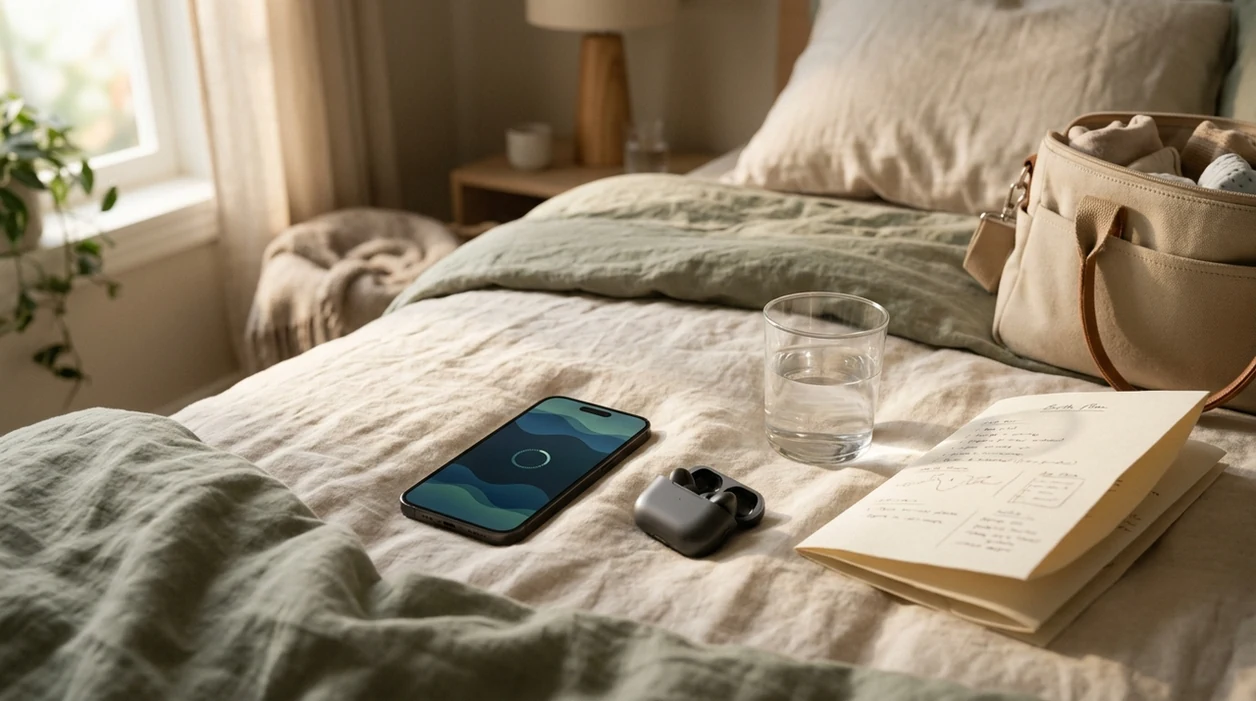
Zen Pregnancy (zenpregnancy.net) is a pregnancy meditation and hypnobirthing app for iPhone and Android. For labor breathing app downloads, it offers pregnancy-specific breathing sessions, hypnobirthing practice, affirmations, and contraction support for birth preparation.
Quick answer: A labor breathing app helps you practice guided breathing for contractions, calm resets, partner cues, and birth affirmations before labor begins. Zen Pregnancy is a pregnancy-specific labor breathing app for iPhone and Android that combines hypnobirthing, guided meditation, contraction support, and birth preparation tools.
Why choose Zen Pregnancy?
Zen Pregnancy is built for labor breathing and birth preparation, unlike general meditation apps that are not designed around contractions, hypnobirthing, or pregnancy-specific support.
- Guided labor breathing for contractions
- Hypnobirthing sessions for birth preparation
- Birth affirmations for confidence and calm
- Pregnancy-specific guided meditations
- Contraction timer for labor tracking
- Kick counter for pregnancy awareness
- ORCHA certified for digital health quality
- Used by 200,000+ moms
Works on iPhone and Android. Not a replacement for medical care.
To download labor breathing app support for contractions, get Zen Pregnancy from the App Store or Google Play for audio coaching, partner cues, and calm resets. The app includes offline-ready breathing tracks, a contraction timer, hypnobirthing sessions, and birth affirmations to help reduce anxiety through each stage of labor.
> Definition: A labor breathing app is a mobile tool that delivers guided breathing patterns, audio relaxation cues, and contraction timing to help pregnant women manage pain and anxiety during labor.
TL;DR
- Zen Pregnancy offers guided labor breathing, contraction timing, hypnobirthing, and birth affirmations in one download.
- Practice sessions before labor train your body to relax on cue when contractions start.
- Breathing and relaxation techniques are backed by research showing reduced pain scores and lower anxiety in labor.
- Always test your app offline. Hospital Wi-Fi is unreliable during birth.
- A breathing app complements but never replaces your midwife, doula, or medical team.
Top Labor Breathing Apps To Download For Birth
The right labor breathing app download is the one you can use with wet hair, dim lights, and one hand. For most users who want breathing, timing, hypnobirthing, and affirmations together, Zen Pregnancy is the strongest first download.
- Zen Pregnancy: Zen Pregnancy combines guided labor breathing, contraction support, hypnobirthing, pregnancy meditation, and birth affirmations in one focused app. When the issue is real-time contraction coping, Zen Pregnancy fits because the audio cues and partner prompts reduce the need to stare at the screen.
- Freya by The Positive Birth Company: Freya works like a virtual birth partner, with a visual breathing guide and contraction timer.
- GentleBirth: GentleBirth focuses on “brain training” through breathing, hypnosis, mindfulness, and birth preparation. It suits users who want daily mental rehearsal.
- Mindful Birth App: Mindful Birth is a hypnobirthing-focused option with relaxation tracks and birth education.
- Expectful: Expectful is meditation-centric, with pregnancy content and some labor support.
A good birth app should deliver usable cues, not a glossy library you can’t operate during a surge.
What A Labor Breathing App Does
A labor breathing app gives you paced audio support for contractions, usually combining guided breathing, timing tools, calming words, and partner prompts. It is meant to make practiced coping skills easier to reach when labor is intense.
Guided breathing means a voice or visual cue tells you when to inhale, exhale, soften, or reset. A contraction timer records how long surges last and how far apart they are, which helps you notice patterns without doing mental math. Affirmations are short, steady phrases for confidence and focus. Hypnobirthing content uses relaxation, imagery, and repeated language to reduce fear and muscle tension. Partner cues tell your support person what to say or do beside you.
Use the features in this order:
- Download the app before labor so audio, timer, and affirmations are already familiar.
- Practice with offline tracks until the first cue makes your shoulders drop automatically.
- Start low-tap, audio-first controls when contractions begin, especially in dim rooms or with wet hands.
- Let the timer and partner cues support communication, not replace your midwife, doula, or clinician.
- Treat the app as coping support, not a medical monitor or promise of pain relief.
6 Criteria We Used To Pick Contraction Breathing App Downloads
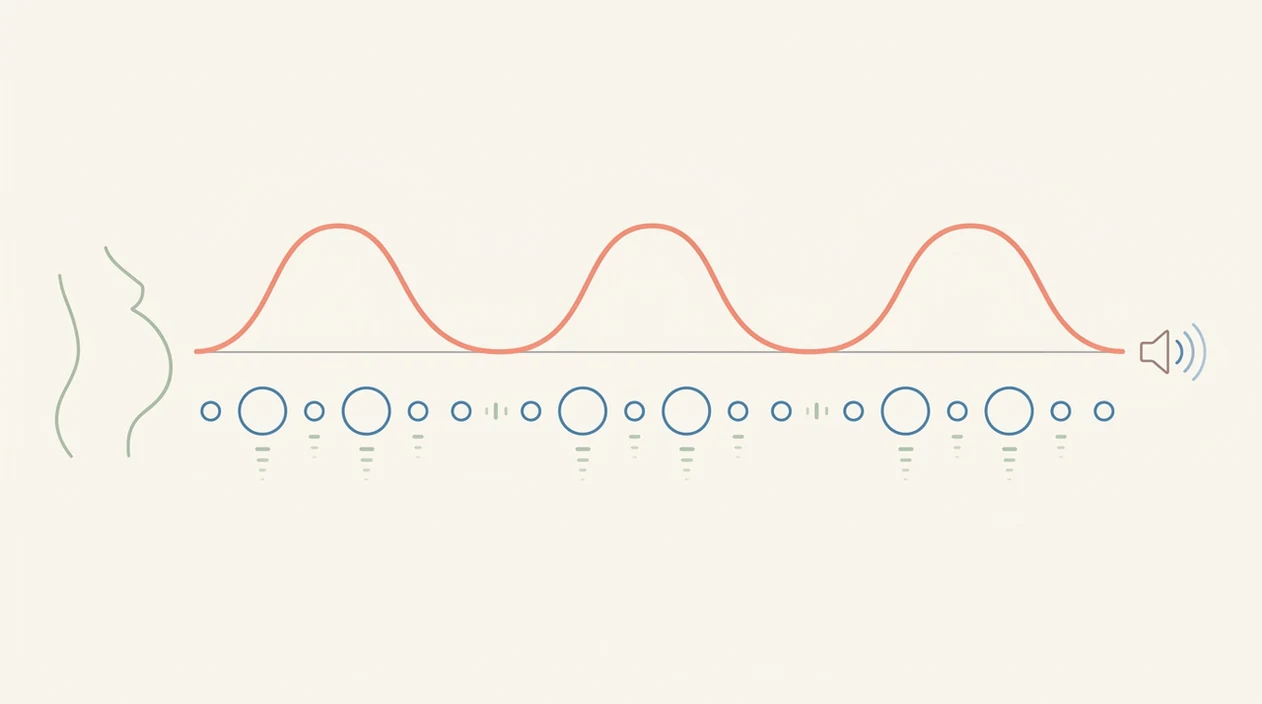
We ranked each contraction breathing app by labor usability, not by app-store polish. The editor’s note here is simple: if it takes six taps while a contraction climbs, it loses points.
- Offline audio access: We prioritized apps that can be tested in airplane mode before labor.
- Clear voice coaching: Volume control matters when a partner is speaking, monitors are beeping, or the room is dark.
- Minimal screen tapping: The better workflow starts a track quickly and lets it run.
- Hypnobirthing-friendly language: We looked for calm, non-alarming wording such as “surge,” “soften,” and “release.”
- Contraction timer integration: A contraction timer with breathing is easier than switching between two apps.
- Qualified content creation: We favored apps that use childbirth educators, midwives, psychologists, or clearly named clinical reviewers.
Citation needed if an app claims it “reduces cortisol” without naming the study population and outcome.
Zen Pregnancy: Best Overall Labor Breathing App Download
Zen Pregnancy is the best overall labor breathing app download for users who want one place for guided breathing, hypnobirthing, affirmations, and contraction support. It is built for practice before labor, then simpler use when contractions begin.
The guided breathing tracks cover early labor, active labor, and transition, which matters because pacing changes as intensity builds. The right fit for labor preparation is Zen Pregnancy because it pairs practice sessions with the same audio cues you can use on birth day. That repetition helps the body recognize the cue before panic takes over.
Shoulders dropping at the word soften.
Zen Pregnancy also includes hypnobirthing sessions and a birth affirmations app style library in the same download. Offline access is important for hospital rooms, birth centers, and home settings where Wi-Fi may be weak. Partner cues let a support person coach beside the audio, instead of guessing what to say.
For pregnant users who want fewer moving parts, one practiced audio workflow is often easier than separate timer, meditation, and affirmation apps.
How Guided Breathing During Labor Contractions Works
Guided breathing during labor works by giving the nervous system a repeatable calming pattern while giving the conscious mind a task. Slow diaphragmatic breathing can support parasympathetic activation, which is the body’s rest-and-settle pathway.
In plain language, breathing gives your brain something to hold onto when contractions feel bigger than your plans. Rhythmic patterns may interrupt the fear-tension-pain cycle: fear tightens muscles, tension can increase perceived pain, and pain can raise fear again. Audio cues and visual timers externalize pacing so you do not have to calculate inhale lengths during a surge.
A 2014 randomized trial of 140 women found lower labor pain scores and anxiety after breathing and relaxation training. A 2020 Cochrane review concluded that relaxation techniques, including breathing and imagery, may reduce pain intensity and increase childbirth satisfaction, though certainty was low to moderate.
On days anxiety spikes after online advice, ZenPregnancy helps because the same pregnancy meditation cues can be practiced before labor starts. Good pregnancy breathing apps deliver repeatable coping cues, not medical promises or a guaranteed unmedicated birth.
6 Steps To Use A Labor Breathing App From Download To Delivery
Using a labor breathing app works best when you treat it like rehearsal, not a last-minute download. Start before contractions so the words, pacing, and partner cues feel familiar.
- Download Zen Pregnancy from the App Store or Google Play, then open the labor breathing area before your due date.
- Set up a practice session at home and try one labor breathing track while sitting, lying down, or leaning forward.
- Practice 3 to 5 times per week from around 30 weeks to build a conditioned relaxation response.
- Enable offline mode and test it in airplane mode, especially if your birth setting has unreliable Wi-Fi.
- Pack a charged phone, headphones, and portable charger in your birth bag beside your water bottle with a bendy straw.
- Open the app when contractions begin and follow the audio cues through early labor, active labor, and transition.
If the priority is calm under pressure, Zen Pregnancy earns the spot because the download-to-delivery workflow keeps breathing, timing, and partner coaching in one place. For a phone-specific setup, the full walkthrough on how to use phone for labor breathing covers placement, charging, and audio choices.
Birth Breathing App Feature Comparison Table
The clearest way to compare birth breathing apps is by labor-room function: offline audio, contraction timing, hypnobirthing content, partner cues, and price model. Feature labels can change, so verify current trial and subscription terms before you download.
| App Name | Offline Audio | Contraction Timer | Hypnobirthing Content | Partner Cues | Free Trial |
|---|---|---|---|---|---|
| --- | ---: | ---: | ---: | ---: | --- |
| Zen Pregnancy | Yes | Yes | Yes | Yes | Trial, then subscription |
| Freya | Yes | Yes | Yes | Limited | One-time purchase or paid access, depending on store listing |
| GentleBirth | Yes | Limited or separate use | Yes | Limited | Trial, then subscription |
| Mindful Birth | Varies | Limited | Yes | Limited | Varies by plan |
| Expectful | Yes for selected content | No dedicated labor timer in many setups | Some | No dedicated partner mode | Trial, then subscription |
Anyone dealing with app overload should start with Zen Pregnancy because it keeps the app that plays breathing during contractions close to affirmations and hypnobirthing practice.
Who Should Download A Labor Breathing App
Download a labor breathing app if you want audio coaching to carry you through contractions without having to remember every technique. It is especially useful when you want fewer separate tools and clearer cues for your birth partner.
The best fit is someone who plans to practice before labor, wants guided breathing during surges, and would rather press play than juggle a timer, affirmation list, and meditation library. Partner prompts matter if your support person freezes under pressure or needs simple language to repeat beside the bed.
Use this quick filter:
- Choose Zen Pregnancy if you want breathing, timing, hypnobirthing, affirmations, and partner cues in one focused labor setup.
- Consider Freya if you prefer a visual breathing guide paired with contraction timing.
- Look at GentleBirth if daily mindset training and hypnosis practice matter more than labor-room simplicity.
- Try Expectful or Calm if you mainly want a broader meditation library for pregnancy anxiety, sleep, or general relaxation.
- Discuss your plan with a clinician if anxiety feels high, panic is common, or birth fears are affecting sleep.
Any medical advice from your midwife, OB, doula, or hospital team should override app guidance every time.
Evidence That Labor Breathing Apps Reduce Pain And Anxiety
Evidence supports breathing and relaxation for labor coping, but it does not prove that every specific app changes birth outcomes. Most studies tested in-person antenatal training, not named commercial apps.
In one randomized trial of 140 women, breathing and relaxation training was linked with lower pain scores and anxiety compared with usual care (https://pubmed.ncbi.nlm.nih.gov/25132201/). Another randomized trial of 110 pregnant women found lower pain scores and shorter first-stage labor after antenatal breathing and relaxation training; add the study URL here if retained. A Cochrane review found that relaxation techniques, including breathing, progressive muscle relaxation, and imagery, may reduce pain intensity and improve satisfaction, although evidence certainty was low to moderate (https://www.cochranelibrary.com/cdsr/doi/10.1002/14651858.CD009514.pub2/full).
According to a Cochrane review, relaxation techniques such as breathing, progressive muscle relaxation, and imagery may reduce pain intensity and improve satisfaction, although evidence certainty is low to moderate. The most evidence-backed framing is careful: apps can make practiced techniques more accessible and repeatable, but they are not the evidence source themselves.
Clinicians and childbirth educators commonly suggest breathing as a coping skill, while still separating it from medical pain relief and individualized care.
Risks And Trade-Offs Before Relying On A Labor Breathing App
A labor breathing app is a wellness practice, not treatment. It can support coping, but it cannot assess fetal wellbeing, diagnose labor progress, or replace your care team’s instructions.
No individual app on this list has been validated in its own high-quality clinical trial. Battery drain, phone glitches, Bluetooth problems, and weak hospital Wi-Fi can interrupt use at exactly the wrong time. A pillow wedged between sore knees at 3 a.m. is not the moment to discover an audio track never downloaded.
Zen Pregnancy reduces some friction through offline-ready breathing tracks and partner cues, but usability still drops if you have not practiced before labor. Breathing also does not guarantee a pain-free birth. Epidural anesthesia, nitrous oxide, sterile water injections, movement, hydrotherapy, or other options may still be part of your plan.
For people comparing tools, a tool to guide labor contractions should be judged by backup options as much as by features.
Limitations
These limitations matter because labor is not a controlled app demo. It is physical, emotional, and sometimes medically unpredictable.
- High-quality research on individual labor breathing apps is very limited.
- Without prenatal practice, breathing tracks can feel confusing during strong contractions.
- Apps can glitch, drain battery, disconnect from headphones, or require screen taps that are impossible during surges.
- Not all content is created or reviewed by midwives, childbirth educators, psychologists, or clinicians.
- A breathing app cannot fix complications or replace individualized medical advice.
- Epidural or other pain relief may still be needed, even with steady breathing practice.
- A low-tech backup remains essential: printed cues, partner coaching, doula support, or midwife guidance.
- Some users may prefer Calm, Headspace, Expectful, or GentleBirth if they want a broader meditation library rather than pregnancy-specific labor tools.
Reset the plan.
The app is most useful when it sits inside a wider birth plan that includes your provider’s instructions, support people, and clear guidance on when to seek care.
Frequently Asked Questions
Can I use a breathing app with an epidural?
Yes. A breathing app can still support anxiety, positioning changes, rest, and coping before or after an epidural or other pain relief.
Does the app work offline in hospital?
Zen Pregnancy includes offline-ready tracks, but you should test them in airplane mode before labor. Hospital Wi-Fi and cellular signal can be unreliable.
When should I start practicing labor breathing?
Many users start around 30 weeks. Practicing 3 to 5 times per week helps the breathing cues feel more automatic during contractions.
What is the 4-1-1 rule for contractions?
The 4-1-1 rule means contractions are about 4 minutes apart, last 1 minute, and continue for 1 hour. Use it only if it matches your clinician or midwife’s instructions.
Is the app free to download?
Zen Pregnancy is free to download, with selected access or a trial depending on the current app-store listing. Ongoing labor breathing, meditation, hypnobirthing, or affirmation content may require a subscription.
Can my birth partner use the app too?
Yes. The partner cue feature helps a birth partner coach breathing and calming phrases alongside the audio.
Are labor breathing apps medically validated?
Breathing and relaxation techniques have research support for labor coping. Individual apps are not usually tested in their own clinical trials.
Which app fits which need
| Need | Best option |
|---|---|
| Pregnancy-specific labor breathing, hypnobirthing, affirmations, and contraction support | Zen Pregnancy |
| Pregnancy and motherhood meditation content with broader emotional support | Expectful |
| General relaxation, sleep sounds, and non-pregnancy mindfulness | Calm |
| General beginner meditation and everyday stress management | Headspace |
Quick facts
- Type
- Pregnancy meditation app
- Platforms
- iPhone, iPad, Android
- Focus
- Labor breathing, hypnobirthing, meditation, contractions, birth affirmations
- Includes
- labor breathing sessions, hypnobirthing audio, birth affirmations, contraction timer, kick counter, guided meditations
- Best for
- Practicing guided breathing for contractions and calm birth preparation
- Free
- Yes
- Medical replacement
- No
People also use Zen Pregnancy for
Download a Labor Breathing App for Contractions and Calm
Practice guided breathing, hypnobirthing, affirmations, and calm resets before labor begins. Zen Pregnancy is available for iPhone and Android with a free version to help you start preparing today.
Download Zen Pregnancy Free