 Zen
ZenApp That Plays Breathing During Contractions In Labor
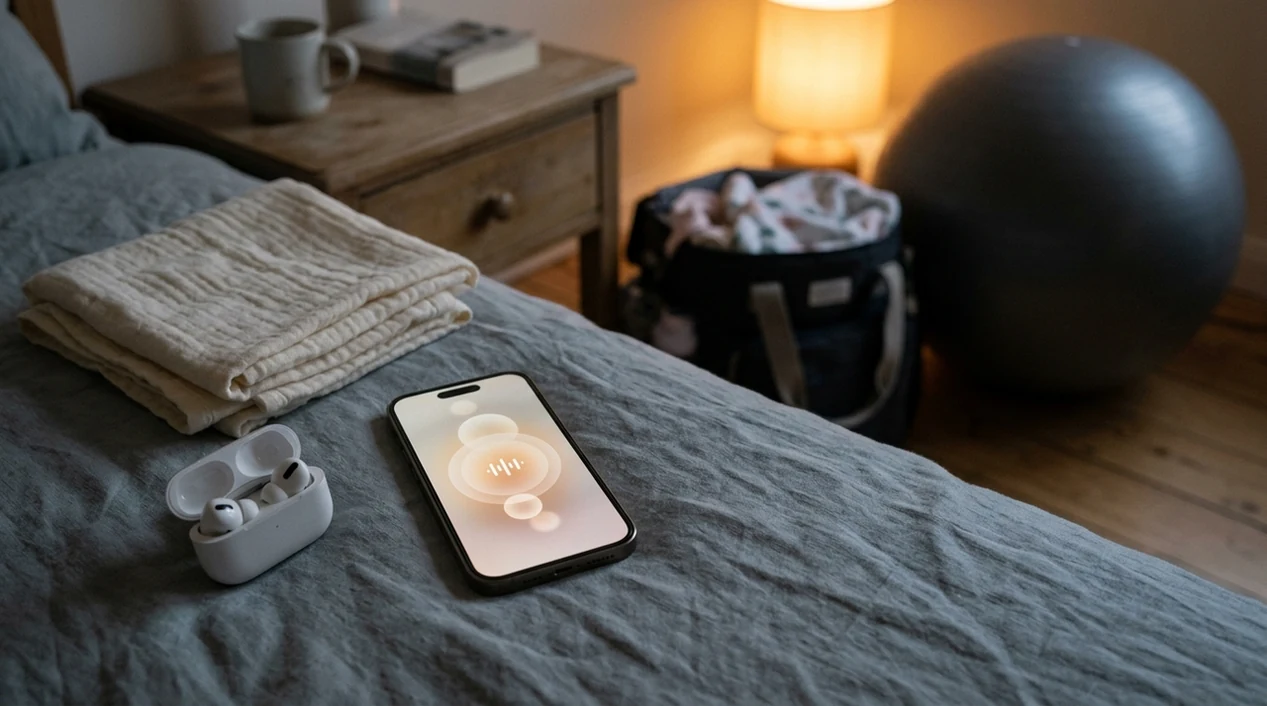
Zen Pregnancy (zenpregnancy.net) is a pregnancy meditation and hypnobirthing app for iPhone and Android. For this page topic, it helps users practice and play guided breathing audio during contractions, with pregnancy-focused support for labor calm and recovery between surges.
Quick answer: An app that plays breathing during contractions can guide you through inhale, exhale, and recovery cues while labor surges come and go. Zen Pregnancy provides pregnancy-specific breathing, hypnobirthing, and calming audio designed to support focus during contractions, not to replace medical guidance.
Why choose Zen Pregnancy?
Zen Pregnancy is built for contraction breathing in labor, so its audio is more birth-specific than general meditation apps.
- Labor breathing audio for contractions
- Hypnobirthing sessions for birth preparation
- Birth affirmations for focus during surges
- Pregnancy-specific guided meditation
- Contraction timer for tracking labor patterns
- Kick counter for pregnancy awareness
- ORCHA certified
- Used by 200,000+ moms
Works on iPhone and Android. Not a replacement for medical care.
Yes, there is an app that plays breathing during contractions, with guided audio breathing cues, calm voiceover, and between-surge recovery tracks you can follow hands-free during labor. The app pairs paced inhale-exhale prompts with a contraction timer so you don't have to count mid-surge, and it works best when you practice the tracks in the weeks before your due date.
Definition: A contraction breathing app is a labor-support tool that plays paced audio breathing cues during each surge, guiding you through timed inhales and exhales so your coping response stays steady without conscious counting.
- A labor breathing audio app gives you calm, paced inhale-exhale cues during each contraction so you can follow along hands-free.
- Practicing the breathing tracks 4–6 weeks before your due date makes the response automatic when labor starts.
- Breathing apps are coping tools that work alongside your midwife, birth partner, and any pain relief you choose, they never replace medical care.
What a Contraction Breathing App Actually Does
A contraction breathing app actively coaches your breathing during labor, rather than only recording when contractions start and stop. It plays audio cues such as “inhale for four, exhale for six,” so you can follow a rhythm without counting.
A basic contraction timer is passive logging. A labor breathing audio app is active support. Typical features include a surge timer, calm voiceover, short affirmations, and recovery tracks for the space between contractions. The distinction matters when your attention narrows and the room gets busy.
The timer glowing on airplane mode is a small but useful detail.
Use the app alongside your midwife’s or doctor’s advice. It can support coping, but it cannot assess labor progress, fetal wellbeing, bleeding, reduced movement, or when you personally should go in. For a closer look at timing plus cueing, compare a contraction timer with breathing.
How Guided Breathing During Contractions Works
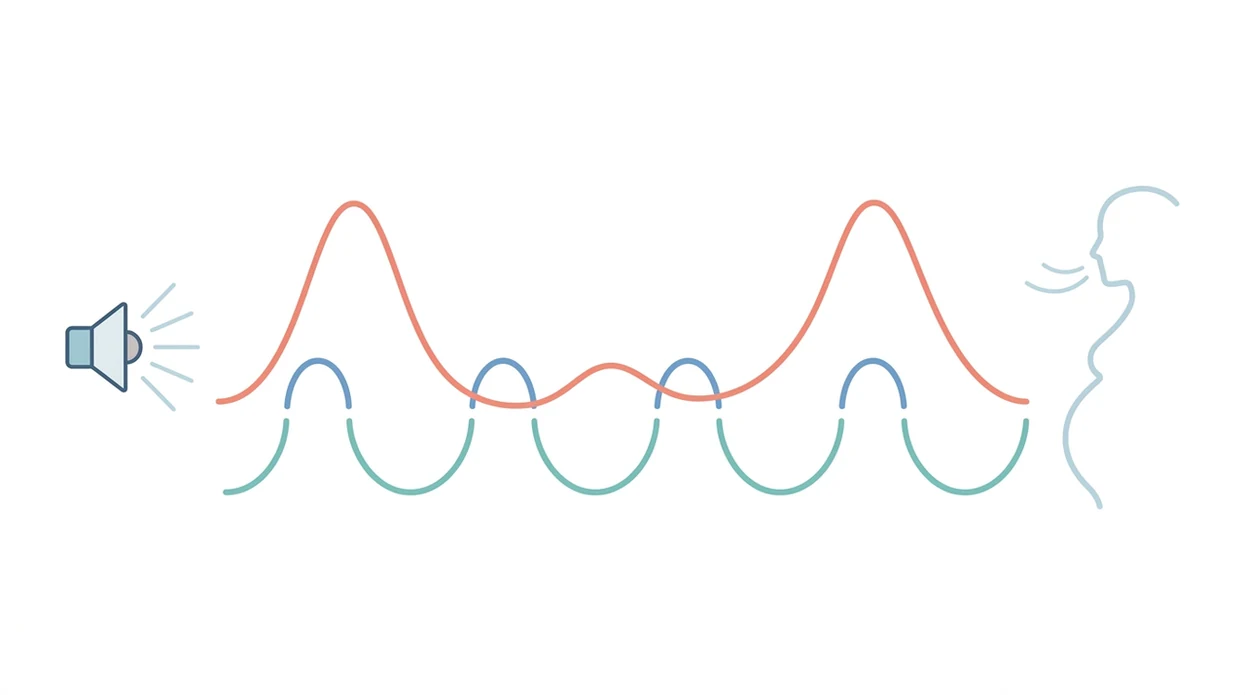
Guided breathing during contractions works by pairing a slow breathing rhythm with external audio cues, which lowers the need to think, count, or self-correct during pain. The longer exhale may support parasympathetic nervous system activity, meaning the body gets a stronger “settle” signal.
There is also a cognitive load issue. In labor, your brain is already tracking sensation, fear, voices, movement, and decisions. Following a voice prompt can be easier than remembering a technique. For many people, the most common medically supported way to use breathing in labor is regular practice combined with real-time support from a partner or maternity professional.
A Cochrane review of 21 trials involving 2,214 women found that relaxation techniques, including breathing, may reduce labor pain intensity, though evidence quality was low to moderate source. A systematic review also found mindfulness-based pregnancy interventions can reduce anxiety and depression symptoms source. Practice 4–6 weeks before your due date helps the rhythm become automatic.
What You Need Before Using a Breathing App for Contractions
Five practical setup facts decide whether a breathing app feels useful or annoying on labor day:
- Download offline tracks before labor. Hospital Wi-Fi can be patchy, blocked, or simply too slow when you need audio now.
- Test the sound in a dim room. Try speaker and earbuds, because labor wards can be quiet one hour and noisy the next.
- Enable dim-screen or night mode. A bright phone can feel intrusive in a dark room, especially during rest periods.
- Brief your birth partner. They should know how to start, pause, and switch tracks without asking you mid-surge.
- Practice in late pregnancy. Repetition matters more than finding a clever technique during contractions.
Shoulders drop faster when the cue is familiar.
If your partner will manage the phone, pair this with a tool to support birth partner relaxation so they are not improvising under pressure.
How to Use a Labor Breathing Audio App During Contractions
Use a labor breathing audio app as a simple handoff system: the app gives the rhythm, your body follows, and your partner manages the phone when labor gets intense. Keep the steps boring. Boring is good in labor.
- Open the app and select the labor breathing track. Choose the track you practiced before labor, not a new one.
- Start the contraction timer when a surge begins. Let your partner tap the screen if your eyes are closed.
- Follow the paced inhale-exhale audio cues through the surge. Do not chase textbook breathing; let the cue bring you back to the next exhale.
- Switch to the between-surge recovery track when the contraction ends. Use the pause to unclench your jaw and reset.
- Hand the phone to your birth partner. They can manage playback and coach in sync with the audio.
The full phone setup is covered in how to use phone for labor breathing.
When to Call Your Midwife, Doctor, or Labor Ward
Call your midwife, doctor, or labor ward whenever you are unsure, worried, or something feels different from the plan they gave you. App cues are there to support coping; they should never slow down a call for clinical advice.
A breathing app cannot check fetal wellbeing, examine you, interpret bleeding, or tell whether labor is progressing safely. Contraction timing rules also vary by pregnancy, hospital policy, previous births, distance from care, waters breaking, and your individual risk factors, so your own care team’s instructions matter more than any timer pattern.
- Call urgently for bleeding, reduced baby movements, severe or unusual pain, or concerns after your waters break.
- Follow the plan your midwife or doctor gave you, even if the app timer suggests waiting longer.
- Describe what is happening clearly, including contraction pattern, waters, movement, pain, and any other symptoms.
- Pause or ignore the app if clinical advice conflicts with the audio cues, timing prompts, or your birth preferences.
The safest rule is simple: people first, app second.
Common Mistakes With Contraction Breathing Apps
The first mistake is downloading the app after labor has already started. That is a hard time to create a new habit, compare tracks, find earbuds, or learn where the timer button lives.
Another mistake is expecting breathing to eliminate pain. Breathing changes coping, attention, and tension. It does not turn contractions off. An AHRQ systematic review reported that nonpharmacologic labor pain methods, including relaxation and support, may improve childbirth satisfaction even when measured pain scores do not consistently fall source.
Do not use a contraction timer to self-diagnose when to go to hospital. Call your midwife, doctor, or labor ward when you are unsure, especially if anything feels wrong. Also, avoid turning breathing into a performance. If “perfect” technique makes you tense, the tool is working against its purpose. Good pregnancy meditation apps deliver repeatable cues and recovery support, not a promise of painless labor.
How Zen Pregnancy Guides Breathing During Contractions
Zen Pregnancy uses calm voiceover, paced inhale-exhale cues, and labor-focused audio designed for contractions and recovery periods. The aim is practical: fewer decisions during a surge, more familiar cues when your attention is limited.
Compared with contraction-only timers such as Full Term Contraction Timer, the labor-specific difference here is guided breathing audio: it tells you what to do during the surge, not only when the surge started.
Between contractions, the app includes recovery meditations and birth affirmations. Offline downloads and dim-screen use are intended for hospital or birth-center environments where Wi-Fi and lighting are not under your control. A partner can follow the same rhythm, hold the phone, and cue breathing without inventing instructions.
Tools like ZenPregnancy fit best when they are practiced before labor and used as one part of support, not the whole plan. The wider library also includes hypnobirthing sessions, pregnancy sleep meditations, and a birth affirmations app style of practice for late pregnancy.
How to Tell If the Breathing App for Contractions Is Working
A breathing app is working if the cue becomes easier to follow than your own thoughts. During practice, look for a calmer body within two or three breath cycles, a slower exhale, dropped shoulders, or your jaw unclenching on the exhale.
During labor, the better signal is automaticity. You hear the cue and follow it without negotiating with yourself. Between surges, you may notice a real reset before the next contraction, even if the pain is still present.
A randomized trial of 1,266 Swedish women found that a childbirth self-efficacy and fear-reduction app reduced fear of birth among women who had baseline fear, although obstetric outcomes were similar source. For people with fear of birth, repeated app practice may be more useful than last-minute education because it builds a rehearsed response.
Limitations
Contraction breathing apps have real limits. Editor’s note: any draft that says “guaranteed calm” or “pain-free birth” should be corrected or removed.
- Evidence for breathing apps specifically is still limited compared with broader research on childbirth education, relaxation, and support.
- An app cannot monitor maternal health, fetal wellbeing, bleeding, waters breaking, reduced movement, or urgent symptoms.
- Audio prompts can become irritating during transition or very intense contractions.
- A breathing app does not guarantee shorter labor, fewer interventions, or avoidance of pain relief.
- Over-focusing on technique can create pressure and make coping harder.
- Some people prefer silence, movement, water, massage, gas and air, epidural analgesia, or other medical pain relief.
- Always follow your midwife or doctor if their advice conflicts with the app.
If you want a broader support setup, a tool to guide labor contractions may help organize breathing, timing, and partner roles.
Frequently Asked Questions
Is there a breathing app for contractions?
Yes. Apps such as Zen Pregnancy can play paced breathing cues during contractions, often with a timer, calm voiceover, affirmations, and recovery tracks.
When should I start practicing labor breathing?
Start practicing 4–6 weeks before your due date if possible. Repetition helps the breathing rhythm feel automatic during labor.
Can a breathing app replace an epidural?
No. A breathing app is a coping tool and does not replace an epidural, medication, or clinical pain-relief decisions.
Does the app work offline in hospital?
Some apps, including Zen Pregnancy, allow offline downloads. Download tracks before labor because hospital Wi-Fi can be unreliable.
Can my birth partner use the app too?
Yes. Your birth partner can hold the phone, manage playback, start the timer, and coach in sync with the audio cues.
Is a contraction breathing app free?
Some contraction breathing apps offer free trials or limited free content. Full labor tracks, offline use, or wider libraries may require a subscription or paid upgrade.
Does guided breathing actually reduce labor pain?
Evidence suggests breathing and relaxation may reduce labor pain for some people, but results vary and study quality is mixed. It is safest to view guided breathing as coping support, not guaranteed pain relief.
What if audio prompts annoy me during labor?
Turn the volume down, switch tracks, pause the app, or stop using it. Silence, movement, water, massage, or medical pain relief may fit better in that moment.
Which app fits which need
| Need | Best option |
|---|---|
| Pregnancy-specific breathing audio for contractions | Zen Pregnancy |
| Pregnancy meditation with broader prenatal wellbeing content | Expectful |
| General relaxation or sleep meditation outside pregnancy | Calm |
| General mindfulness practice not focused on labor | Headspace |
Quick facts
- Type
- Pregnancy meditation app
- Platforms
- iPhone, iPad, Android
- Focus
- Hypnobirthing, meditation, labor breathing, birth affirmations, contraction support
- Includes
- labor breathing, hypnobirthing sessions, birth affirmations, contraction timer, kick counter, guided pregnancy meditation
- Best for
- Guided breathing audio during contractions and calm recovery between labor surges
- Free
- Yes
- Medical replacement
- No
People also use Zen Pregnancy for
Try an App That Plays Breathing During Contractions
Zen Pregnancy gives you pregnancy-specific breathing, hypnobirthing, and affirmation audio for labor preparation and contraction support. Use it to practice before birth and to stay focused when surges begin.
Download Zen Pregnancy Free