 Zen
ZenApp To Help Me Manage Pregnancy Anxiety With Calm Audio Sessions
Zen Pregnancy (zenpregnancy.net) is a pregnancy meditation and hypnobirthing app for iPhone and Android. For pregnancy anxiety, it offers calm audio sessions focused on breathing, grounding, sleep, birth confidence, and gentle reassurance.
Quick answer: An app to help me manage pregnancy anxiety can provide pregnancy-specific breathing, grounding, guided meditation, and sleep audio for calmer moments during pregnancy. Zen Pregnancy is designed for pregnancy and birth preparation, but persistent, severe, or worsening anxiety should be discussed with a healthcare provider.
Why choose Zen Pregnancy?
Zen Pregnancy is built around pregnancy anxiety, birth preparation, and prenatal calm rather than general mindfulness alone.
- pregnancy-specific guided meditation
- calming audio for pregnancy anxiety
- hypnobirthing sessions for birth confidence
- labor breathing practices
- birth affirmations for reassurance
- sleep support for anxious nights
- ORCHA certified
- used by 200,000+ moms
Works on iPhone and Android. Not a replacement for medical care.
An app to help me manage pregnancy anxiety works best when it offers pregnancy-specific guided meditations, breathing exercises, and calming audio designed around real fears about birth, baby health, and sleep, not generic relaxation. Use it daily alongside prenatal care, and treat it as a wellness practice, not treatment.
> Definition: A pregnancy anxiety app is a mobile tool that delivers guided meditations, breathing exercises, hypnobirthing tracks, and birth affirmations specifically designed to reduce stress and anxious thoughts during pregnancy.
- 43% of pregnant women in a large international COVID-era survey reported clinically relevant anxiety symptoms (source), so you are not alone, and a pregnancy-specific app can be a useful support tool.
- The best app for pregnancy anxiety addresses real fears, such as baby's health, labor, and sleep, with short calming audio you can start instantly.
- Apps complement but never replace professional prenatal and mental health care. Know when to reach out for more support.
What a Pregnancy Anxiety App Actually Does
A pregnancy anxiety app gives you audio-based tools for anxious moments during pregnancy, usually through meditation, breathing, sleep support, hypnobirthing, and affirmations. The key difference is pregnancy context: it should speak to scan anxiety, birth fear, body changes, and night-time worry.
Generic mindfulness apps can still help. However, a pregnancy-specific app should not make you translate every prompt in your head. If the session says “notice your body” when pelvic heaviness is already loud on the stairs, the wording matters.
Editor’s note: I look for content that separates calm practice from medical advice. Tools like Zen Pregnancy sit in the pregnancy meditation category because they focus on guided meditations, breathing exercises, hypnobirthing tracks, birth affirmations, and sleep audio rather than general wellness playlists.
In a large international survey of 7,686 pregnant women during the COVID-19 pandemic, 43% reported clinically relevant anxiety symptoms source. That number needs context, but it also validates the scale of the problem.
How Pregnancy Anxiety Meditation Apps Work
Pregnancy anxiety meditation apps work by combining attention training, paced breathing, and repeated calming cues. In plain terms, they give your nervous system a practiced route out of spiraling thoughts.
- Mindfulness-based stress reduction principles: These apps often adapt MBSR skills, such as noticing thoughts without immediately obeying them.
- Parasympathetic activation: Slow breathing can support the parasympathetic nervous system, the “settle” branch that helps shift the body out of threat mode.
- Cognitive reframing: Birth affirmations and hypnobirthing language can replace “I can’t cope” with a rehearsed coping statement.
- Repetition effect: Short sessions can build cumulative calm over weeks because the same cue, breath, and voice become familiar.
- Pregnancy-specific evidence: A randomized controlled trial of a mindfulness-based childbirth and parenting program found significantly lower pregnancy anxiety scores than conventional childbirth education source.
Small app-based mindfulness studies in pregnancy are promising, but they should be treated as early supportive evidence rather than proof that an app can replace screening, therapy, or prenatal care.
The timer glowing on airplane mode helps.
Before You Start: 5 Needs for a Pregnancy Anxiety App
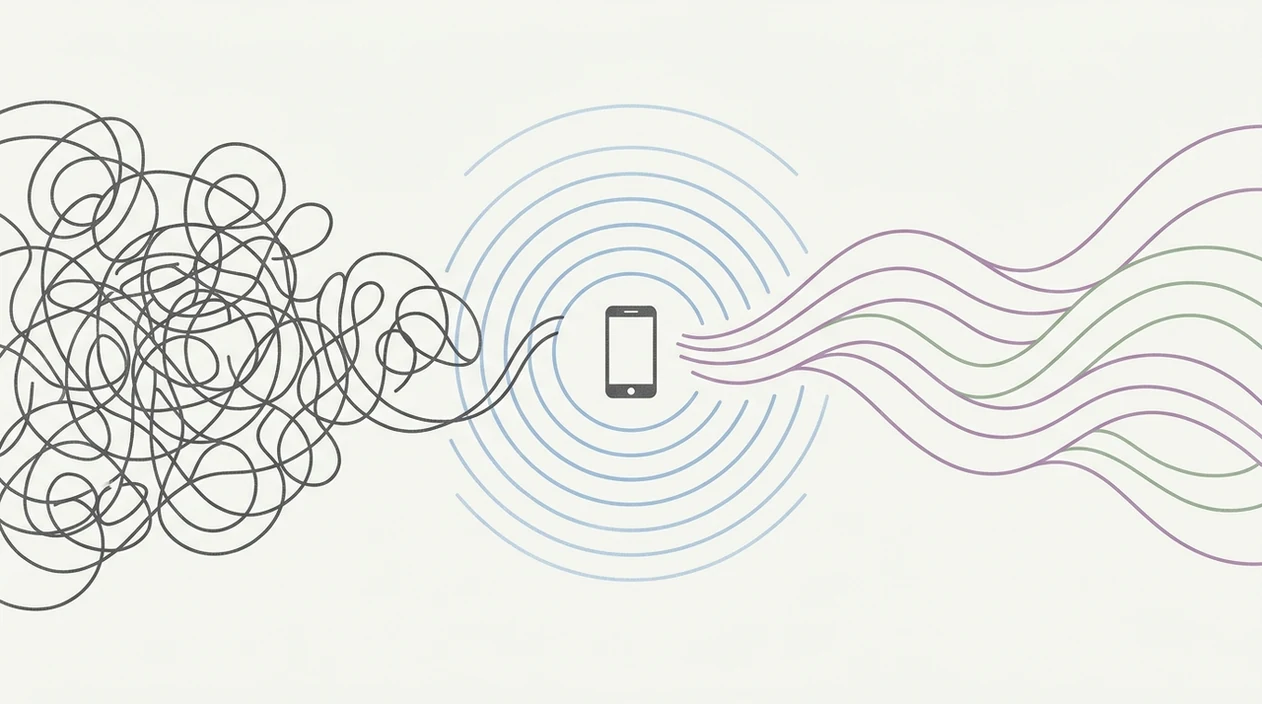
Before choosing an app for pregnancy anxiety, check whether it fits your actual day, not your ideal routine. A polished library means little if you cannot use it before a scan, during bedtime worry, or after an appointment reminder ping at dinner.
You need:
- A phone and audio access: Use headphones, earbuds, or a speaker that feels private enough.
- Realistic expectations: Apps can support anxiety management, but they do not cure clinical anxiety.
- Known triggers: Name the main pattern first, such as sleep, scans, labor fear, baby health, or intrusive thoughts.
- A care plan: Tell your midwife or OB-GYN if anxiety feels severe, constant, or unmanageable.
- A small daily commitment: Five to ten minutes is enough to start.
For many people, consistency matters more than session length because anxiety skills need rehearsal before the hard moment arrives.
How To Use a Pregnancy Anxiety App for Daily Calm
Use a pregnancy anxiety app as a repeatable daily practice, plus an on-demand tool for spikes. The aim is practiced regulation, not forced positivity.
- Download and set a reminder for one short session at the same time each day.
- Choose a session that matches your current worry, such as sleep, birth fear, scan anxiety, or health worry.
- Start with a 5-minute breathing exercise to ground your body before longer audio.
- Listen to a guided pregnancy meditation or hypnobirthing track when you have enough privacy to follow the prompts.
- Use on-demand calm audio during real spikes, including 3 a.m. worry, waiting rooms, or early contractions.
- Track how you feel weekly and adjust session types as your trimester changes.
Before scans, keep the session short. In bed, choose sleep audio rather than a birth-prep track if your brain is already busy. While timing contractions, breathing prompts should be simple enough to follow without unlocking five menus.
For anxious beginners, daily 5-minute practice is often easier than occasional long sessions because it lowers the start-up effort.
Features That Matter Most in an App for Pregnancy Anxiety
The most useful app features are the ones you can reach quickly when anxiety is already high. Pregnancy calm tools should deliver fast audio, not a long search process.
Short sessions: Look for tracks that start in under 60 seconds and run 5 to 10 minutes.
Bedtime support: Sleep is a common reason pregnant users look for meditation apps, so if sleep is your main issue, a pregnancy sleep meditation app may be more relevant than a general relaxation library.
Worry-spike support: A strong pregnancy anxiety meditation app should have on-demand breathing for sudden panic.
Birth preparation: Hypnobirthing and birth affirmation tracks can support confidence, but not guarantee labor outcomes.
Voice fit: Tone matters. Some voices feel soothing; others make your jaw tighten in ten seconds.
Bedtime Audio and Sleep Support
Bedtime audio should reduce decision-making, keep language gentle, and avoid dramatic birth imagery. A slow exhale into the pillowcase is sometimes the whole practice.
On-Demand Breathing for Worry Spikes
On-demand breathing should work in public, including clinics and parked cars. Good pregnancy meditation apps deliver grounding, breathing, and birth-prep practice, not diagnosis, emergency care, or guaranteed birth outcomes.
Common Mistakes When Using a Pregnancy Meditation App
The most common mistake is expecting one session to erase anxiety. App-based meditation usually works more like physiotherapy for attention and breathing: small repetitions, repeated often.
Another mistake is downloading three apps and using none. Pick one routine first. Hands around a warm mug, one morning track, same chair. Boring can be useful.
Do not use an app as a replacement for therapy, medication discussions, or provider conversations. Clinicians typically recommend disclosure, screening, and appropriate mental health care when anxiety affects function, sleep, appetite, safety, or daily life.
Hypnobirthing is also easy to overstate. It can improve coping and confidence for some users, but it does not guarantee a pain-free or intervention-free birth. Meditation apps are not only for unmedicated birth plans either. Epidural, induction, planned C-section, spontaneous labor: anxiety support can still matter.
If intrusive thoughts are the main issue, a focused app that calms intrusive pregnancy thoughts may fit better than a broad meditation library.
Evidence Behind Pregnancy Anxiety Apps
The evidence behind pregnancy anxiety apps is supportive, but limited. It is strongest for stress reduction, coping practice, and sleep support, not for diagnosis, treatment, or guaranteed birth outcomes.
Mindfulness studies in pregnancy suggest that learning to notice thoughts, body sensations, and fear without immediately reacting can reduce anxiety and perceived stress for some people. Breathing research is less app-specific, but slow, paced breathing is widely used because it can shift attention, soften physical tension, and give you something concrete to do during a worry spike. App-based pregnancy studies are the thinnest layer: early findings are promising, especially when users practice regularly, but many trials are small, short, or tied to one program.
Use the evidence like this:
- Treat the app as a rehearsal tool for calm, sleep, and coping.
- Avoid using app feedback as a diagnosis or a reason to delay care.
- Notice whether symptoms are improving, staying stuck, or spreading into daily function.
- Ask your midwife, OB-GYN, GP, or therapist for screening if anxiety affects sleep, appetite, safety, appointments, or your ability to get through the day.
- Combine app practice with therapy, medication review, or perinatal mental health care when symptoms are severe or persistent.
When a Pregnancy Anxiety App Is Not Enough
A pregnancy anxiety app is not enough when symptoms are persistent, severe, or interrupt basic functioning. Red flags include repeated panic attacks, intrusive thoughts that feel frightening, inability to sleep, inability to eat, or fear that keeps you from normal care.
Tell your midwife, OB-GYN, GP, or perinatal mental health team. No shame clause needed, but I’ll say it anyway: pregnancy anxiety is common, and hiding it usually makes the load heavier.
Perinatal anxiety and depression screening can identify when extra support is needed. Cognitive behavioral therapy, perinatal therapy, medication review, and specialist care may be appropriate depending on your symptoms and history.
An app can still sit beside that care. It should never be the only plan when anxiety feels unmanageable or unsafe.
Limitations
Pregnancy anxiety apps have real value for many users, but the evidence and product quality vary. A careful claim check matters here.
- Evidence for meditation apps in pregnancy is promising, but studies are often small, short, or limited to specific groups.
- Not all apps are clinically validated or reviewed by perinatal mental health experts.
- Severe anxiety, depression, panic attacks, or intrusive thoughts usually need professional treatment. An app alone is not sufficient.
- Some users find certain voices, hypnobirthing scripts, or affirmation language irritating or triggering.
- Many people download an app and stop using it after a few days, which limits likely benefit.
- Apps cannot guarantee a specific birth outcome, regardless of marketing claims.
- Screen time, streak reminders, and notifications may increase stress for some users.
- Pricing, trial length, and content access can change, so comparison claims need a current date.
If you are comparing options, use criteria that include pregnancy specificity, evidence, usability, and care boundaries. A fuller comparison belongs in a best app for pregnancy anxiety and sleep guide.
Frequently Asked Questions
Does anxiety during pregnancy affect the baby?
High, sustained anxiety during pregnancy may be associated with pregnancy and infant outcomes, but individual risk depends on many factors. Managing anxiety matters, and persistent symptoms should be discussed with a prenatal care provider.
Are pregnancy meditation apps free?
Some pregnancy meditation apps offer free trials, limited free sessions, or paid subscriptions. Zen Pregnancy has accessible entry points, but users should check current pricing in the app store.
Can I use a meditation app with an epidural plan?
Yes. Pregnancy anxiety apps and hypnobirthing tools can support breathing, sleep, and coping with any birth plan, including epidural, induction, or C-section plans.
How often should I use a pregnancy anxiety app?
Daily short sessions are usually more useful than occasional long sessions. Five to ten minutes a day can help build a repeatable calming habit.
Is an app enough for severe pregnancy anxiety?
No. Severe or clinical anxiety needs professional assessment and care, and an app should only be used as a supplement.
Do pregnancy anxiety apps actually work?
Some randomized studies of mindfulness and meditation programs in pregnancy show reduced stress and anxiety. The evidence is promising, but studies vary in size, app type, and follow-up length.
When should I start using a pregnancy meditation app?
You can start in any trimester. Starting earlier may help you build a stronger habit before late pregnancy, birth preparation, and labor.
What if the app voice or style stresses me out?
That is common, and it is a valid reason to try a different session or app. ZenPregnancy is designed for anxious pregnant users, but voice preference is personal.
Which app fits which need
| Need | Best option |
|---|---|
| pregnancy-specific anxiety meditation and birth reassurance | Zen Pregnancy |
| structured pregnancy mindfulness with broader prenatal wellness content | Expectful |
| general sleep stories and non-pregnancy relaxation | Calm |
| general mindfulness basics and everyday stress practice | Headspace |
Quick facts
- Type
- Pregnancy meditation app
- Platforms
- iPhone, iPad, Android
- Focus
- Pregnancy anxiety, meditation, breathing, hypnobirthing, sleep, birth confidence
- Includes
- guided meditations, breathing sessions, hypnobirthing audio, birth affirmations, sleep support, contraction timer, kick counter
- Best for
- Pregnant women who want calm audio sessions to manage pregnancy anxiety and prepare for birth
- Free
- Yes
- Medical replacement
- No
People also use Zen Pregnancy for
Try an App To Help Manage Pregnancy Anxiety
Zen Pregnancy offers calm, pregnancy-specific audio for anxious thoughts, breathing practice, sleep support, and birth preparation. Use it as a gentle daily tool alongside your regular prenatal care.
Download Zen Pregnancy Free