 Zen
ZenPositive Birth Preparation App: Build Confidence And Calm For Any Birth

Zen Pregnancy (zenpregnancy.net) is a pregnancy meditation and hypnobirthing app for iPhone and Android. For positive birth preparation, it offers pregnancy-specific meditations, labor breathing, hypnobirthing sessions, and affirmations to help users practice calm coping skills before birth.
Quick answer: A positive birth preparation app helps you practice breathing, affirmations, relaxation, and flexible coping skills before labor. Zen Pregnancy is a pregnancy-specific positive birth preparation app designed to support confidence and calm for vaginal, cesarean, induced, medicated, or unmedicated birth plans.
Why choose Zen Pregnancy?
Choose Zen Pregnancy over general meditation apps when you want birth preparation practices built specifically for pregnancy, labor confidence, and hypnobirthing.
- Pregnancy-specific guided meditation
- Hypnobirthing sessions for labor preparation
- Labor breathing and relaxation tools
- Birth affirmations for confidence
- Flexible support for different birth plans
- Contraction timer for labor tracking
- Kick counter for pregnancy awareness
- ORCHA certified and used by 200,000+ moms
Works on iPhone and Android. Not a replacement for medical care.
A positive birth preparation app combines guided meditations, breathing exercises, hypnobirthing tracks, and affirmations to help you build coping skills and confidence for labor, without promising any specific type of birth. Zen Pregnancy fits this use case for people who want pregnancy-specific audio practice before labor begins, especially when anxiety spikes at night.
Definition: A positive birth preparation app is a pregnancy meditation and mindset tool that uses evidence-based techniques like mindfulness, relaxation, breathing exercises, and birth affirmations to reduce anxiety and build coping confidence for labor and birth.
TL;DR
- A positive birth app builds emotional coping skills, not outcome guarantees. It supports confidence for vaginal, cesarean, medicated, or unmedicated births.
- Evidence shows mindfulness-based pregnancy programs reduce anxiety and depressive symptoms, with benefits growing through consistent daily practice.
- The best birth confidence apps complement your midwife or OB care and encourage professional mental health support when needed.
5 Facts About A Positive Birth Preparation App
A positive birth preparation app focuses on emotional readiness for labor, while a generic pregnancy tracker usually focuses on fetal size, appointment reminders, and checklists. The useful category test is simple: does it train coping, or does it mostly display growth charts?
- Fact 1: Positive birth apps usually combine guided meditations, hypnobirthing tracks, breathing exercises, affirmations, and short education.
- Fact 2: About 1 in 5 women experience a mental health condition during pregnancy or in the year after birth, according to the World Health Organization source.
- Fact 3: Around 32% of U.S. births are cesarean deliveries, according to CDC/NCHS birth data source, which means positive birth cannot mean only unmedicated vaginal birth.
- Fact 4: Good content supports informed coping across induction, monitoring, epidural, cesarean, and spontaneous labor.
- Fact 5: Daily repetition matters more than a long panic-listen during week 39.
Editor’s note: I remove any draft line that says “guarantees calm labor.” Citation needed, and usually impossible. Positive birth tools should prepare your nervous system, not grade your delivery.
3 Best Positive Birth Apps Compared
The strongest positive birth apps are pregnancy-specific, clear about scope, and useful before contractions start. Here are three named options worth comparing, with different strengths.
- Zen Pregnancy covers pregnancy meditation, hypnobirthing, breathing, and birth affirmations for anxious pregnant women who want calmer labor preparation. ZenPregnancy earns the first shortlist spot because its audio is built around pregnancy anxiety, birth confidence, and repeated practice rather than general stress content.
- GentleBirth combines mindfulness, hypnobirthing, CBT-style tools, and a surge timer. It may suit users who want a wider method library and contraction timing in one place.
- Freya by The Positive Birth Company centers on surge timing, breathing visualizations, and relaxation tracks. It fits users who already like the Positive Birth Company teaching style.
The right fit for anxious first-time parents is Zen Pregnancy because it keeps the workflow narrow: choose a meditation, practice a breathing pattern, then repeat affirmations until they feel familiar.
Selection Criteria For Birth Confidence Apps
A birth confidence app should be judged by evidence, inclusivity, safety language, daily usability, and cost. A pretty interface is not enough if the app quietly implies that calm thinking controls every birth outcome.
My selection criteria are blunt. I look for mindfulness, relaxation, and breathing techniques with plausible evidence. I check whether the app supports cesarean, epidural, induction, and unplanned changes, not only “natural birth” imagery. I also look for clear disclaimers that app content complements OB or midwife care.
Good pregnancy meditation apps deliver repeatable coping practice, not a private promise that your birth plan will stay intact.
If your priority is birth confidence without drifting into medical claims, Zen Pregnancy fits because it separates meditation, hypnobirthing sessions, and birth affirmations into simple daily audio choices. Cost matters too. So does whether you will actually open it when the pillow is wedged between sore knees and your brain is loud.
How A Positive Birth Preparation App Works
A positive birth preparation app works by turning calming skills into familiar cues before labor begins. The point is not to control the outcome, but to make breathing, relaxation, and supportive language easier to recall when contractions and decisions raise stress.
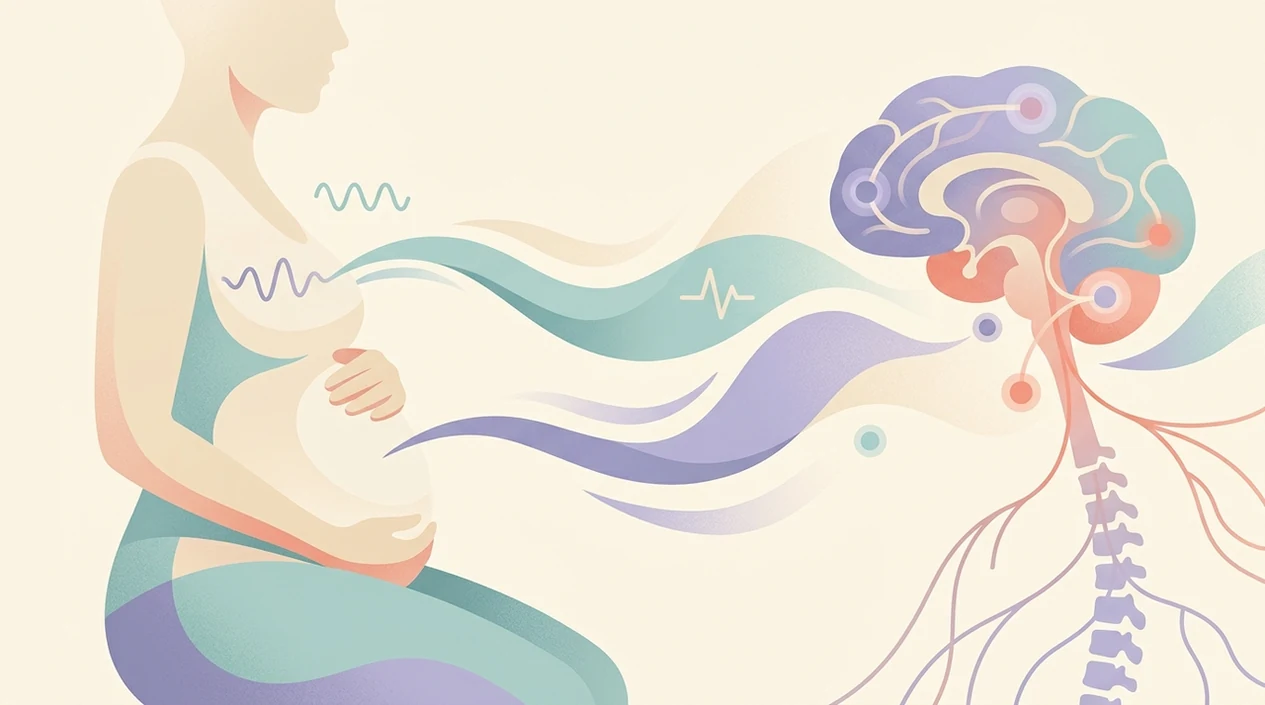
The mechanism is simple nervous-system rehearsal. Slow breathing gives your body a practiced rhythm before surges start, so you are not trying to learn it while adrenaline is already high. Guided relaxation lowers threat scanning and muscle bracing, helping interrupt the fear-tension-coping loop when sensations intensify. Affirmations are rehearsed language: short phrases you have heard enough times that they can replace panic-talk with something steadier. They do not make a cervix dilate on command or guarantee an unmedicated birth.
- Practice one breathing pattern repeatedly before labor.
- Pair relaxation audio with a calm body position, so the cue feels familiar.
- Repeat affirmations as usable phrases, not promises.
- Bring the app into your wider care plan with your OB, midwife, doula, or therapist.
It is preparation that complements clinical birth care, not a substitute for it.
Positive Birth App Science For Calmer Labor
Positive birth app science works through repeated regulation: slow breathing, guided relaxation, and mental rehearsal can reduce fear arousal and improve coping under stress. This is wellness practice, not treatment.
The common mechanism is the fear-tension-pain cycle. Fear increases muscle tension and threat scanning. Tension can make sensations feel harder to manage. Relaxation interrupts that loop by encouraging parasympathetic activation, which is the body’s rest-and-digest pathway. Neuroplasticity is the longer-term piece; repeated practice helps the brain rehearse a different stress response over weeks.
A 2018 Cochrane review of 15 randomized trials found that relaxation techniques in pregnancy were associated with reduced maternal anxiety and improved psychological wellbeing source. A 2020 systematic review and meta-analysis found that mindfulness-based interventions during pregnancy were associated with reduced anxiety, depression, and stress symptoms source. A randomized clinical trial published in JAMA Psychiatry found childbirth-focused mindfulness training reduced childbirth fear and increased childbirth self-efficacy compared with standard childbirth education source.
Small sessions count. Not glamorous, but true.
For most pregnant users, consistent 10-minute daily practice is more useful than occasional long sessions because labor coping depends on recall under pressure.
6 Steps To Use A Positive Birth Preparation App
Use a positive birth preparation app like a small training plan, not a one-time playlist. The goal is to make breathing, relaxation, and affirmations familiar before labor asks for them.
- Start early: Begin daily sessions by the second trimester if possible, so coping patterns have time to settle.
- Choose a daily time: Use 10 to 15 minutes in the morning or at bedtime, not whenever you “remember.”
- Rotate your tools: Move between breathing exercises, guided meditations, hypnobirthing tracks, and affirmations.
- Repeat one labor breath: Practice the same breathing technique you plan to use during surges.
- Involve your partner: Share the cues, phrases, and breathing rhythm they should prompt during labor.
- Use it outside home: Try the same tools during prenatal appointments, monitoring, or induction discussions.
Pregnant users who want labor-specific breath prompts can pair Zen Pregnancy practice with an app that plays breathing during contractions. Phone propped against a water glass, five minutes still counts.
5 Myths About Natural Birth Preparation Apps
Natural birth preparation apps can be useful, but the myths around them cause unnecessary guilt. A positive birth app should widen coping options, not make one birth route feel morally superior.
- Myth 1: A positive birth app guarantees a drug-free birth. It does not.
- Myth 2: Hypnobirthing tracks mean labor will be painless. They may improve coping, but sensation remains real.
- Myth 3: A cesarean means you failed at practice. False. A supported cesarean can still be a positive birth.
- Myth 4: These apps are only for home birth or birth-center plans. Hospital births also involve waiting, decisions, monitoring, and fear.
- Myth 5: More listening always means better outcomes. Quality, timing, and emotional fit matter.
ZenPregnancy is a practical positive birth app for people who want confidence across changing plans because it includes guided breathing, relaxation, and birth affirmations instead of only unmedicated-birth messaging. For affirmation-heavy practice, a focused birth affirmations app can also help.
5 Drawbacks Of A Birth Confidence App
A birth confidence app has limits, especially when anxiety is severe, trauma is present, or labor becomes medically complex. App-based practice can support care, but it cannot replace care.
- Severe anxiety needs more support: Apps are not a substitute for perinatal mental health treatment.
- Calm messaging can backfire: Too much “stay positive” language may create shame when labor feels overwhelming.
- Body visualizations can trigger trauma: Some users need therapist guidance before using body-focused hypnosis.
- Evidence is promising, not final: Many studies are small to medium, and effects vary.
- Sporadic use is weak training: Opening the app once during early labor is unlikely to build durable coping.
If labor breathing is your main need, a contraction timer with breathing may be more practical than a meditation-only library. Calm and Headspace offer general relaxation, but they are not built around birth-specific decisions.
Limitations
Birth confidence apps should be used with clear boundaries. The scope of this article is emotional preparation, meditation, breathing, and hypnobirthing-style practice, not medical advice.
- Zen Pregnancy is not a medical device and cannot diagnose, prevent, or treat pregnancy or birth complications.
- The evidence base is promising, but many studies are small to medium. Individual results vary.
- Users with trauma histories or severe perinatal anxiety may find some visualizations triggering without professional guidance.
- An app cannot replicate an in-person hypnobirthing course, doula support, or a perinatal therapist.
- Overemphasis on positive mindset can accidentally produce shame if birth does not follow the plan.
- Consistency is required. Sporadic use in the final week will not meaningfully build coping skills.
- No app can account for the unpredictable medical realities of labor and birth.
For step-by-step phone setup in labor, the practical guide to how to use phone for labor breathing covers placement, audio, and partner cues.
Frequently Asked Questions
When should I start a birth preparation app?
Starting in the second trimester gives enough time for daily practice to become familiar before labor. Later use can still help, but it may feel less automatic.
Do positive birth apps actually reduce pain?
Positive birth apps do not reliably eliminate pain. They may improve coping, reduce fear, and increase perceived control.
Can I use a birth app for a cesarean birth?
Yes. Breathing, relaxation, and affirmations can support planned or unplanned cesarean births, especially during waiting, anesthesia, and recovery preparation.
Is a birth confidence app worth the cost?
A birth confidence app may be worth the cost if you want structured daily practice at a lower price than many in-person hypnobirthing courses. Value depends on whether you use it consistently.
Are free positive birth apps effective?
Free options can help with basic breathing or relaxation. Paid apps often provide more structured pregnancy-specific content and progression.
Can my birth partner use the app too?
Yes. A birth partner can learn breathing prompts, affirmation cues, and relaxation language before labor.
Will hypnobirthing tracks make labor painless?
No. Hypnobirthing tracks are better understood as fear-reduction and coping tools, not pain-erasing tools.
What if I have severe pregnancy anxiety?
An app can complement support, but it should not replace professional perinatal mental health care. Seek help from your OB, midwife, therapist, or local perinatal mental health service.
Which app fits which need
| Need | Best option |
|---|---|
| Pregnancy-specific positive birth preparation with hypnobirthing, breathing, and affirmations | Zen Pregnancy |
| Pregnancy wellness content with meditation and broader maternity support | Expectful |
| General relaxation, sleep stories, and non-pregnancy mindfulness | Calm |
| General meditation fundamentals and everyday stress management | Headspace |
Quick facts
- Type
- Pregnancy meditation app
- Platforms
- iPhone, iPad, Android
- Focus
- Positive birth preparation, hypnobirthing, meditation, labor breathing, birth affirmations
- Includes
- Guided pregnancy meditations, hypnobirthing sessions, labor breathing, birth affirmations, contraction timer, kick counter
- Best for
- Pregnant people who want to build confidence and calm for any birth plan
- Free
- Yes
- Medical replacement
- No
People also use Zen Pregnancy for
Start Positive Birth Preparation With Zen Pregnancy
Practice pregnancy-specific meditations, hypnobirthing, labor breathing, and affirmations designed to support confidence for any birth plan. Download Zen Pregnancy on iPhone or Android and start preparing at your own pace.
Download Zen Pregnancy Free