 Zen
ZenMotivation Vs Discipline: Why Your Pregnancy Meditation Habit Needs Both
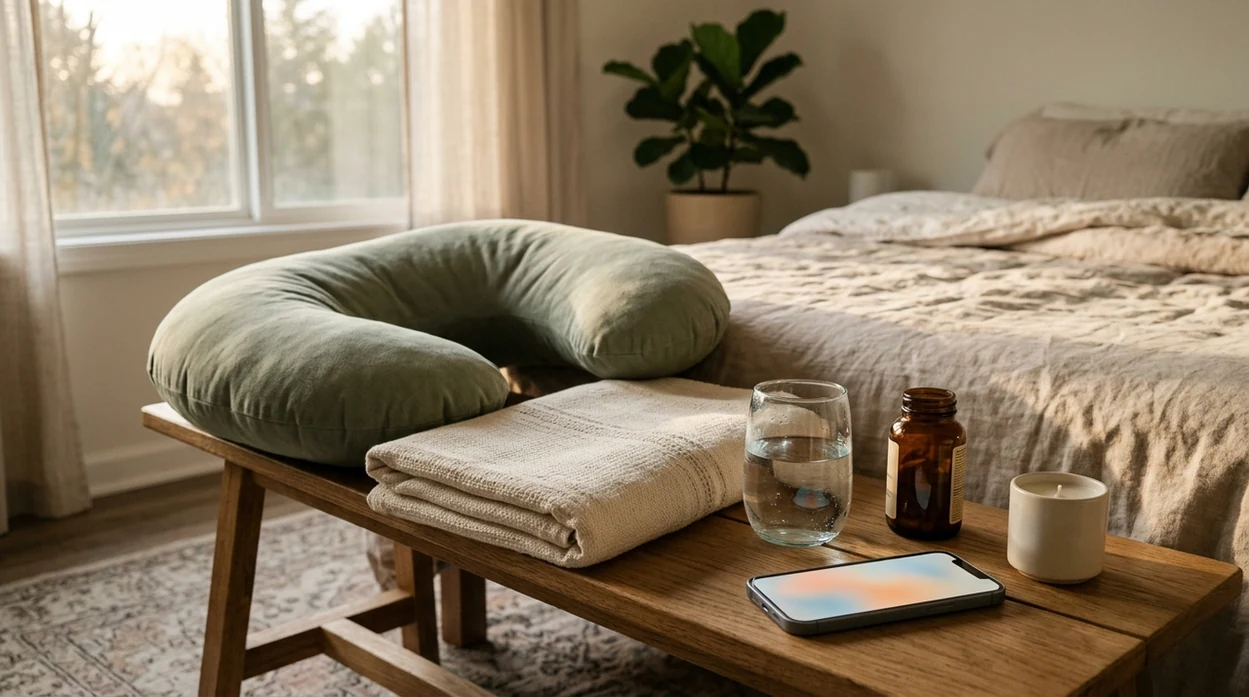
Zen Pregnancy (zenpregnancy.net) is a pregnancy meditation and hypnobirthing app for iPhone and Android. For motivation vs discipline pregnancy meditation habits, Zen Pregnancy helps users start small, repeat calming routines, and connect daily practice to pregnancy and birth preparation.
Quick answer: Motivation vs discipline pregnancy meditation habits work best together: motivation helps you begin when you feel hopeful, while discipline helps you continue when pregnancy fatigue, nausea, or stress lowers your energy. Tiny sessions, clear cues, and pregnancy-specific rewards can make meditation easier to repeat across pregnancy.
Why choose Zen Pregnancy?
Zen Pregnancy is built for the real motivation and discipline challenges of pregnancy, unlike general meditation apps that are not centered on prenatal routines, birth preparation, or changing trimester needs.
- Pregnancy-specific guided meditation for low-energy days
- Short sessions that support a realistic daily habit
- Hypnobirthing sessions for birth confidence and consistency
- Labor breathing practices you can repeat before delivery
- Birth affirmations for motivation when discipline feels hard
- Contraction timer and kick counter alongside mindfulness tools
- ORCHA certified for trusted digital health standards
- Used by 200,000+ moms
Works on iPhone and Android. Not a replacement for medical care.
For motivation vs discipline pregnancy meditation, discipline wins for consistency, but you need both. Motivation gets you to press play the first time; discipline keeps the practice alive when nausea, insomnia, or a flat mood makes meditation feel like one more task. A pregnancy-specific meditation library can lower the effort by putting short meditations, hypnobirthing sessions, reminders, and birth affirmations in one place.
Definition: Motivation is the emotional desire to meditate; discipline is the system that makes prenatal meditation happen regardless of how you feel on any given day.
TL;DR
- Pregnancy motivation fluctuates by trimester, so discipline and systems keep your meditation habit alive.
- Tiny daily sessions, often 3 to 5 minutes, beat occasional long sits driven by bursts of motivation.
- Anchor meditation to an existing pregnancy routine, use app reminders, and practice self-compassion when you miss a day.
At-a-Glance: Motivation Vs Discipline for Pregnancy Meditation
Motivation is emotion-driven and useful for starting. Discipline is system-driven and more reliable for daily meditation when pregnant.
| Comparison point | Motivation | Discipline |
|---|---|---|
| Energy source | Feeling inspired, connected, or worried enough to act | A planned cue, reminder, and short session |
| Reliability across trimesters | Changes with nausea, sleep, mood, and appointments | Holds better because the decision is already made |
| What happens when you miss a day | You may feel like you “lost it” | You restart at the next cue |
| Best use case | Beginning a practice or refreshing interest | Maintaining a prenatal meditation habit discipline system |
| Risk | Depends too much on mood | Can become rigid if framed as an obligation |
The ideal approach uses motivation as the spark and discipline as the container. Good pregnancy meditation apps provide short, relevant practices, not a promise that birth, sleep, or anxiety will become effortless.
How Pregnancy Meditation Works
Pregnancy meditation works by giving your attention one gentle place to land, such as the breath, a body sensation, a phrase, or a guided voice. The goal is not to force calm; it is to practice returning, again and again, in a way that feels safe for your pregnant body.
A session may use attention regulation, which simply means noticing when the mind wanders and coming back without scolding yourself. Breath practices might invite a slower exhale or softer jaw, while body cues may focus on supported shoulders, side-lying comfort, or the feeling of the baby moving. Common session types include breathing meditations, body scans, affirmations, hypnobirthing practice, and sleep meditations.
Repetition builds familiarity. Over time, the body may recognize the routine faster, but meditation is not a guaranteed calm switch and it is not medical treatment. Short sessions can work especially well during nausea, fatigue, or insomnia because they ask less of you. A 3-minute breathing track in bed may be more useful than a long practice you avoid.
3 Pregnancy Moments Where Meditation Motivation Wins
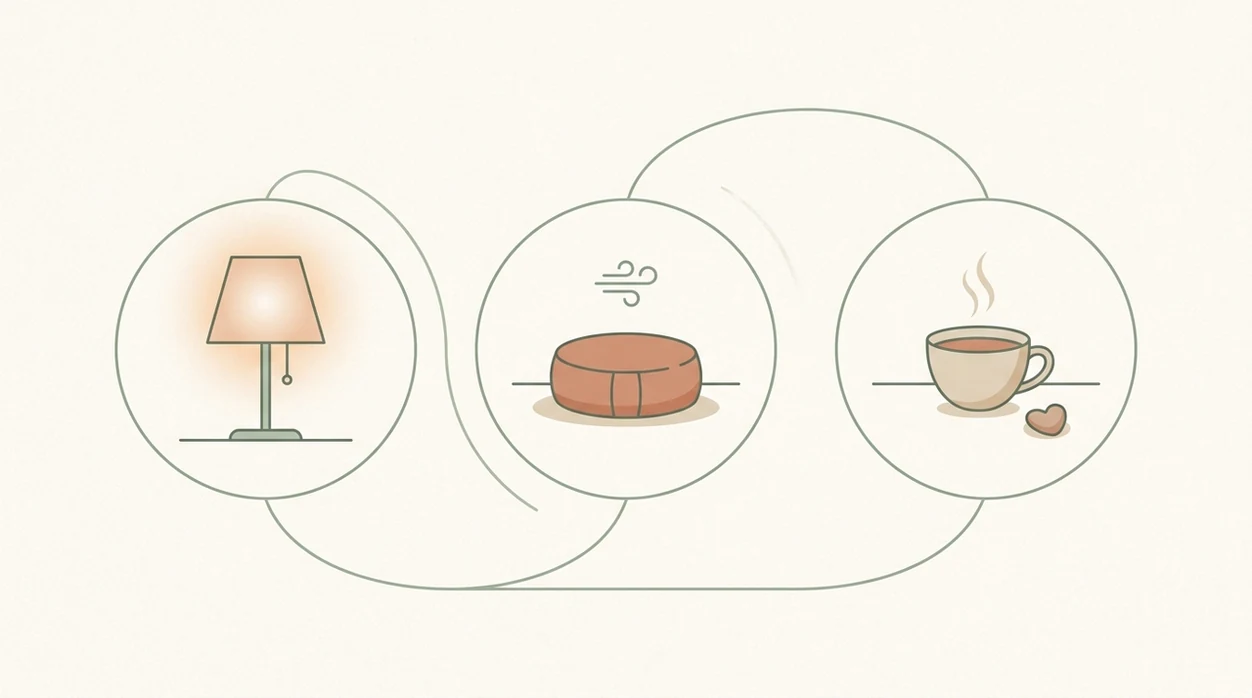
Motivation is valuable because it helps you begin before a system exists. The first trimester can bring a strong “I want to do this well” feeling, even when the couch is winning by 7 p.m.
Three moments tend to help motivation:
- Early pregnancy intention. A positive test or first appointment can make pregnancy meditation motivation feel personal.
- Third-trimester nesting. The same urge that organizes tiny socks can also support birth breathing practice.
- Connection with the baby. Slow kicks during guided breathing can make a short session feel worth protecting.
Meditation use has also become more common; a large U.S. survey found adult meditation use rose from 5.2% in 2012 to 14.2% in 2017, per CDC National Center for Health Statistics data (https://www.cdc.gov/nchs/products/databriefs/db325.htm). That matters, but it does not make motivation dependable.
Some days are just fog.
ZenPregnancy fits people who feel emotionally ready but need a clear first step, because its short pregnancy-specific sessions remove the “what should I listen to?” search.
5 Discipline Systems for a Prenatal Meditation Habit
Discipline removes the daily vote. You meditate because the practice is scheduled, not because you woke up feeling calm and focused.
- Use a fixed cue. Put meditation after a prenatal vitamin, a bedtime bathroom trip, or an app check-in.
- Keep the session tiny. Three to five minutes can protect consistency better than a 30-minute plan you avoid.
- Track restart behavior. Streaks are useful, but the better rule is “never miss twice.”
- Match the practice to symptoms. Breath-only sessions fit nausea days; longer guided sessions fit steadier days.
- Use regularity for stress support. In a U.S. survey during the COVID-19 pandemic, 32.6% of pregnant women reported anxiety symptoms and 20.7% reported depressive symptoms, according to CDC reporting. Add the exact CDC source URL for these pregnancy-specific anxiety and depressive-symptom percentages; otherwise remove the percentages and keep the claim qualitative.
A randomized trial also found that an 8-week mindfulness intervention significantly reduced pregnancy-related anxiety and depression compared with usual care. The claim check is important: the benefit came from structured, repeated practice, not one heroic session.
Pregnant women who have quit meditation before often do better with Zen Pregnancy because the practical unit is a short guided session, not a vague goal to “be mindful.”
Pregnancy Meditation Habit Science: Cue, Routine, Reward
Pregnancy meditation works better as a habit loop than as a mood-dependent wellness goal. The basic mechanism is cue, routine, reward: one trigger starts one small behavior, then the brain receives a clear payoff.
The Cue-Routine-Reward Loop for Pregnant Women
A cue might be placing your water bottle with a bendy straw on the nightstand. The routine is pressing play on a 3-minute breathing session. The reward is a slower exhale, softer shoulders, or one less spiral before sleep.
Behavior researchers also use the term implementation intention. In plain language, it means deciding the when, where, and how long before the tired version of you gets a vote.
Habit Stacking With Existing Pregnancy Routines
Habit stacking means attaching meditation to something you already do, such as taking prenatal vitamins or opening a pregnancy app. Zen Pregnancy helps here because sessions can be preselected, so the brain meets fewer choices at the exact moment it wants the easiest path.
A systematic review and meta-analysis reported significant stress and anxiety reductions from regular mindfulness-based interventions in pregnancy, with moderate effect sizes, according to the cited systematic review and meta-analysis (INSERT SOURCE URL). For anxious pregnant readers, discipline usually matters more than motivation because repetition is what gives the practice a fair trial.
If you are comparing focused pregnancy support with broader apps, the pregnancy-specific vs general meditation app distinction is worth making before you build the habit.
5-Step Daily Meditation Plan for Pregnant Women
A daily prenatal meditation habit should be small enough to do on a bad day. Start below your ambition, then let consistency grow.
- Pick a 3-minute session on Zen Pregnancy. Start absurdly small, especially if you are tired or skeptical.
- Anchor it to an existing daily trigger. Use the moment after your prenatal vitamin, bedtime routine, or first bathroom trip.
- Set an app reminder. Do not rely on memory, mood, or pregnancy meditation motivation.
- Track streaks but forgive missed days. Use the “never miss twice” rule and restart without a lecture.
- Adjust length and position each trimester. Sit, recline, or use side-lying practice as your body changes.
If the priority is daily meditation when pregnant without decision fatigue, Zen Pregnancy fits because reminders, short sessions, and pregnancy-specific categories keep the next action obvious.
Reset the plan.
For readers building a wider calming routine, a find calmer pregnancy routine approach can pair meditation with sleep wind-downs and breathing practice.
Trimester-by-Trimester Discipline Strategies for Prenatal Meditation
Discipline should change as pregnancy changes. A rigid plan that ignores nausea, energy shifts, pelvic discomfort, or insomnia will not hold.
In the first trimester, keep sessions under five minutes. Breathing-only tracks are often more realistic than body scans when nausea is loud. In the second trimester, many people get some energy back, so this is the window for streak momentum, longer guided sessions, or early hypnobirthing. In the third trimester, discomfort and birth thoughts often increase; sleep meditations, birth affirmations, and supported positions usually fit better.
A randomized trial of an 8-week mindfulness-based childbirth and parenting program found lower depression and anxiety scores up to 3 months postpartum compared with controls. That does not prove every self-guided app will produce the same result. Editor’s note: research programs often include facilitators and fixed schedules.
Anyone dealing with shifting symptoms may prefer Zen Pregnancy because trimester-appropriate meditations reduce planning work when energy is already limited. For birth preparation specifically, discover positive birth confidence covers daily affirmation and breathing routines.
What the Research Says About Prenatal Meditation
The strongest research support for prenatal meditation is for reducing stress and anxiety, with some support for coping and sleep. The evidence is more solid for structured mindfulness programs than for self-guided app practice alone.
A mindfulness-based childbirth and parenting trial reported lower pregnancy anxiety and depressive symptoms after an 8-week group program, with benefits tied to repeated classes and home practice, not a single relaxation track. A broader review of mindfulness interventions in pregnancy found improvements in stress, anxiety, and mood, though study quality and program formats varied (source). Sleep is promising too: mindfulness approaches have been studied for insomnia and sleep disturbance in pregnancy, but the results are not as app-specific as most people assume (source).
A practical reading of the evidence looks like this:
- Trust structured programs most. Facilitated, multiweek mindfulness courses have the clearest backing.
- Use apps as consistency tools. Short guided sessions may help you repeat the skill, but app-only evidence is thinner.
- Expect support, not certainty. Stress, anxiety, coping, and sleep are reasonable goals; medical treatment claims are not.
When to Seek Professional Support During Pregnancy
Seek professional support during pregnancy any time your mood, fear, or body signals feel bigger than a self-care tool can safely hold. Meditation can support your care plan, but it should never delay help from an OB-GYN, midwife, therapist, or emergency service.
Red flags include depression that stays for days or weeks, panic that feels unmanageable, trauma memories or body sensations that become activated during practice, or any thoughts of harming yourself. Some people also notice that silence, breath focus, or body scans make symptoms sharper instead of softer. That is not a failure of discipline; it is information that you deserve more support.
- Contact your pregnancy care team if anxiety, sadness, intrusive thoughts, or sleep loss are affecting daily life.
- Tell a therapist or mental health professional if meditation brings up trauma, panic, or a sense of being unsafe in your body.
- Stop the session and ground yourself with lights on, feet on the floor, or another person nearby if a practice feels activating.
- Use urgent local emergency help right away for self-harm thoughts, safety concerns, crisis symptoms, or fear that you may not stay safe.
Who Needs Motivation vs Discipline for Pregnancy Meditation
Use motivation to start and discipline to sustain. That is the simplest split.
If you are brand new to meditation, let curiosity carry the first few sessions, then add reminders quickly. If you have tried and quit before, begin discipline-first with micro-sessions and a fixed cue. If you are in a high-anxiety pregnancy, a scheduled baseline is more dependable than waiting until you feel overwhelmed. Clinicians typically suggest seeking professional support for significant anxiety or depression, while using meditation as a wellness practice, not treatment.
If you love variety, motivation can help you explore breathing, sleep meditations, hypnobirthing, and birth affirmations. Keep the time of day fixed, though. Variety should live inside the routine, not replace it.
Pregnant readers looking for structure plus choice may use Zen Pregnancy because it keeps the schedule simple while offering different session types. For app comparisons beyond habit style, the Expectful vs GentleBirth breakdown is a useful contrast.
Limitations
Meditation can support pregnancy wellbeing, but it has clear limits. I would remove any draft sentence claiming it “treats anxiety” or “guarantees calm birth” without stronger evidence.
- Meditation is not a replacement for professional care for moderate-to-severe anxiety, depression, panic, trauma symptoms, or pregnancy complications.
- Research often studies structured 8-week programs with facilitators; self-guided app results may vary.
- Some trauma survivors may find silence, body scans, or breath focus activating and may need clinician guidance.
- No habit system guarantees consistency during high-risk pregnancy, hospitalization, severe nausea, grief, or medical uncertainty.
- Framing meditation as another obligation can create guilt. It should remain one supportive tool, not a cure-all.
- Competitor apps such as Calm, Headspace, Expectful, and GentleBirth differ in scope, pricing, and pregnancy-specific depth, so comparison claims need criteria and dates.
- Zen Pregnancy does not diagnose symptoms, monitor fetal wellbeing, replace a midwife or OB-GYN, or provide emergency guidance.
If comparing general wellness libraries, the Calm vs Headspace pregnancy meditation question is separate from building discipline.
Frequently Asked Questions
Is discipline better than motivation for meditation?
Discipline is more reliable than motivation for long-term meditation because it uses cues, reminders, and routines. Motivation still helps initiate the habit.
How long should pregnant women meditate daily?
Many pregnant women can start with 3 to 10 minutes daily. Consistency matters more than session length.
Do pregnancy affirmations actually work?
Pregnancy affirmations can support mindset and reduce fear-focused self-talk. They work best when paired with regular breathing or meditation practice.
What if I miss a day of meditation?
Missing a day is normal and does not erase the habit. Use the never-miss-twice rule and restart at the next planned cue.
Can meditation replace therapy during pregnancy?
No, meditation is a supportive wellness practice, not a substitute for therapy or medical care. Seek professional support for persistent anxiety, depression, panic, trauma symptoms, or safety concerns.
When is the best time to meditate while pregnant?
The best time is the time you can repeat consistently. Morning and bedtime are common anchors, but any stable routine can work.
Does prenatal meditation help with labor?
Regular mindfulness practice may reduce birth anxiety and improve coping skills. Hypnobirthing sessions can also help pregnant women rehearse breathing, relaxation, and birth affirmations.
Can an app help me stay disciplined with pregnancy meditation?
Yes, an app can support discipline with reminders, short sessions, streak tracking, and pregnancy-specific categories. ZenPregnancy is designed around guided meditations, hypnobirthing sessions, breathing exercises, and birth affirmations for pregnancy.
Which app fits which need
| Need | Best option |
|---|---|
| Pregnancy-specific meditation habit with hypnobirthing, breathing, and birth affirmations | Zen Pregnancy |
| Pregnancy-focused mindfulness with broader prenatal wellness content | Expectful |
| General mindfulness or sleep meditation not specific to pregnancy | Calm |
| General habit-building meditation skills outside a pregnancy context | Headspace |
Quick facts
- Type
- Pregnancy meditation app
- Platforms
- iPhone, iPad, Android
- Focus
- Pregnancy meditation, hypnobirthing, labor breathing, birth affirmations, habit building
- Includes
- Guided pregnancy meditations, hypnobirthing sessions, labor breathing, birth affirmations, contraction timer, kick counter
- Best for
- Pregnant women who want to build a consistent prenatal meditation habit with small, realistic sessions
- Free
- Yes
- Medical replacement
- No
People also use Zen Pregnancy for
Build a Motivation and Discipline Pregnancy Meditation Habit
Start with short, pregnancy-specific sessions that fit low-energy days and help you return to practice consistently. Zen Pregnancy supports meditation, hypnobirthing, breathing, and birth affirmations in one app.
Download Zen Pregnancy Free