 Zen
ZenAre Pregnancy Apps Private? Data Risks, Real Stats, and Safety Questions
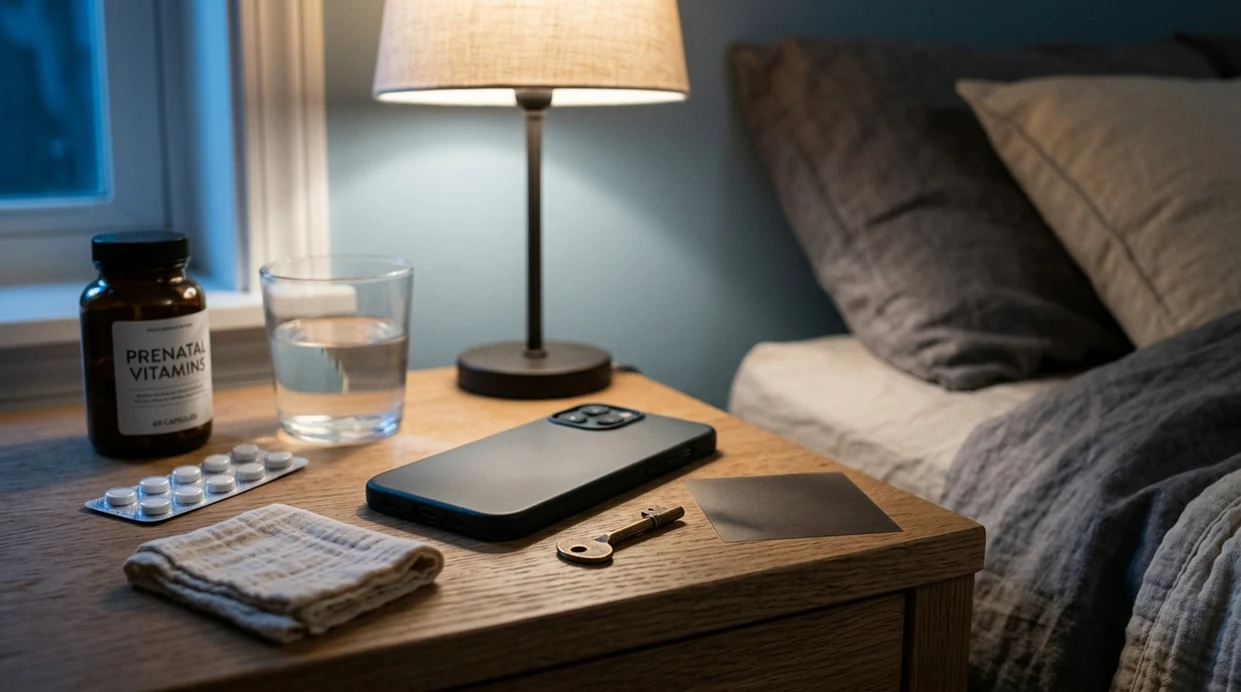
If you're asking are pregnancy apps private, the safest answer is: not fully. Many pregnancy, fertility, and period-tracking apps collect sensitive reproductive data, store it on company servers, and may share it with analytics, advertising, or other third parties unless their policies and technical design clearly prevent that.
Definition: Pregnancy app privacy refers to whether an app keeps your intimate health data, including cycle dates, pregnancy status, mood, sexual activity, and location, away from advertisers, data brokers, law enforcement, and other third parties, and under your meaningful control.
TL;DR
- 79% of studied pregnancy and fertility apps shared data with at least one third party, including advertisers.
- Many pregnancy apps retain your data for 3–7 years after you stop using them, even if you delete the app from your phone.
- Privacy policies are often vague or misleading; 67% were found difficult to read or incomplete about data sharing.
- Legal protections for reproductive health data vary widely and are changing fast.
- You can reduce risk by choosing privacy-focused apps, limiting logged data, and revoking unnecessary permissions.
What Pregnancy App Privacy Actually Means
Pregnancy app privacy means knowing what reproductive data is collected, where it is stored, who can access it, and whether you can delete it. A private app gives you meaningful control over cycle dates, pregnancy status, symptoms, mood, sexual activity, location, income, and device information.
The first split is storage. On-device data stays mainly on your phone. Cloud-based data is sent to company servers, which can make syncing easier but creates more places where records can be copied, analyzed, requested, or breached.
“Secure” and “private” are not the same promise. Secure may mean encrypted login or protected servers. Private means the company limits collection, sharing, retention, and outside access.
That distinction matters at 2:17 a.m., when your phone is glowing beside a water bottle and antacid chews. You’re not thinking about data brokers. You’re trying to calm down.
HIPAA also does not cover most consumer pregnancy apps. It usually applies to covered healthcare entities, not general wellness apps downloaded from an app store.
5 Pregnancy App Data Safety Facts Every User Should Know
- A 2019 study found that 79% of top menstrual and fertility apps shared user data with at least one third party. In the same study, 61% shared data with advertisers or analytics services. (source)
- An analysis of popular women’s mobile health apps found that 61% had at least one code-level security vulnerability. Those issues could expose user data through weak app design, not just careless settings. (source)
- A systematic review reported that 67% of women’s health app privacy policies were vague, incomplete, or hard to read. That means many users cannot easily tell what happens after they tap “agree.” (source)
- The U.S. Federal Trade Commission settled with Flo after finding that the app shared sensitive health data with Facebook, Google, and others despite privacy promises. The case is often cited because it involved reproductive tracking, not generic browsing data. (source)
- An Australian review found that popular fertility apps often retained data for at least 3 years after use ended, with one keeping it up to 7 years. Deleting an app icon is not the same as deleting server records. (source)
A stiff shoulder after reading online advice is ordinary. So is wanting fewer digital footprints.
How Pregnancy App Data Collection and Sharing Works
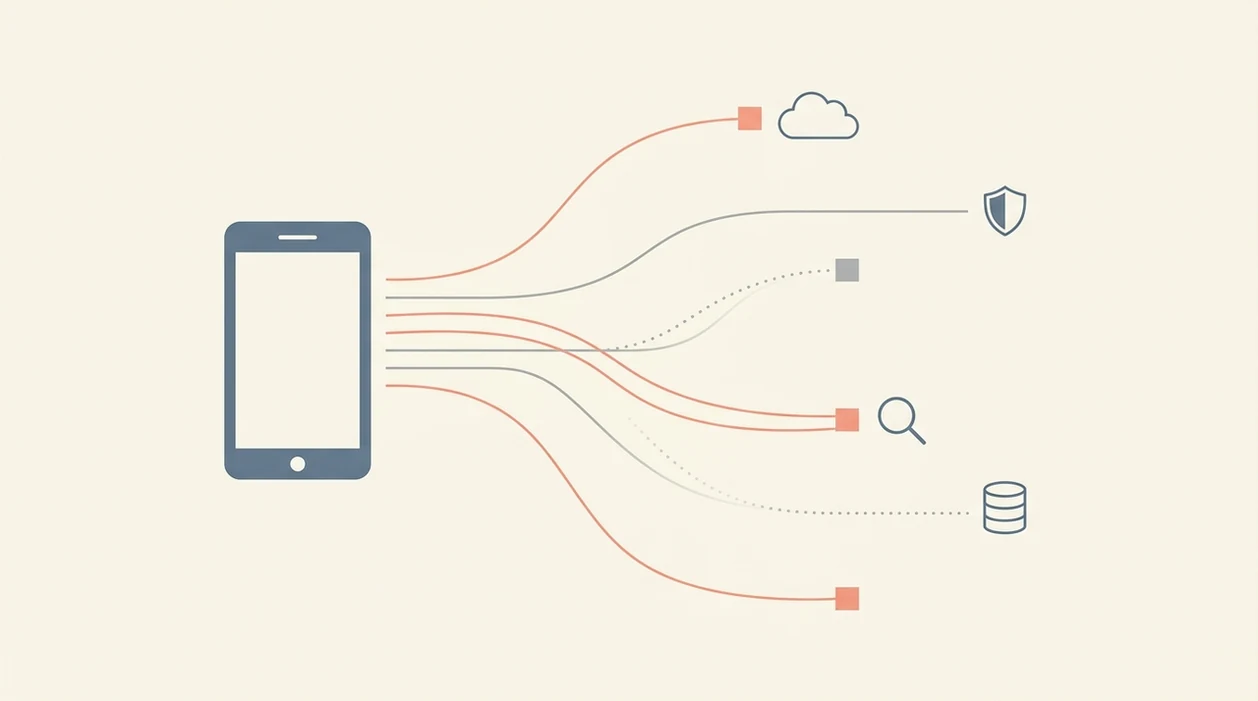
When you log nausea, mood, spotting, sex, or a due date, the app may store that entry locally, send it to cloud servers, or pass related events to third-party tools. The technical path matters because each transfer creates another privacy decision point.
On-Device Storage vs. Cloud-Based Data Risks
On-device storage keeps more information inside your phone, sometimes available offline. Cloud storage sends data to external servers for syncing, backups, personalization, or account recovery. Cloud systems can be useful, but they also create server-side records that may persist after you uninstall the app.
For privacy-sensitive users, minimum logging is often safer than detailed tracking because less stored data means less data available for sharing, breach, or legal request.
How Third-Party SDKs Access Your Pregnancy Data
Many apps embed software development kits, or SDKs, from companies such as Facebook, Google Analytics, or Flurry. These tools can collect events like screen views, session times, device IDs, IP addresses, and ad identifiers.
Even “de-identified” or pseudonymous data can sometimes be linked back to a person through correlation. Device patterns, location clues, and app use timing can say more than you meant to share.
Do Pregnancy Apps Share Data With Advertisers and Brokers?
Do pregnancy apps share data with advertisers and brokers? Many do share at least some data with advertisers, analytics services, research partners, or other third parties, even when they say they do not “sell” personal information.
A study of menstrual and fertility apps found that 61% shared data with advertisers or analytics services. The Flo FTC case showed the risk clearly: users were told their health data would stay private, but sensitive information was shared with Facebook, Google, and others for marketing purposes. The FTC’s final order against Flo is available at https://www.ftc.gov/news-events/news/press-releases/2021/01/ftc-finalizes-order-flo-health-inc.
The wording matters. “We don’t sell data” can still allow “sharing with partners,” “service providers,” “analytics vendors,” or “advertising networks.” That is not the reassurance many pregnant users think they are getting.
Data brokers can turn pregnancy status into a commercial signal. Viewing patterns, late-night session times, community posts, and due-date content can infer pregnancy even without a direct “I am pregnant” field.
Phone propped against a water glass, one search becomes a profile.
Common Myths About Pregnancy App Tracking and Privacy
One common myth is that HIPAA compliance means every pregnancy app has hospital-level privacy protection. Most consumer pregnancy apps are not HIPAA-covered entities, so their privacy duties often come from general consumer law and their own policy wording.
Another myth is that de-identified data cannot be traced back to you. Re-identification is well documented, especially when health data is combined with device identifiers, location clues, browsing behavior, or demographic details.
Turning off location also does not stop all pregnancy app tracking. IP addresses, device IDs, ad identifiers, session times, and usage patterns can still reveal identity or approximate location.
Deleting the app is not a full reset. Many companies keep server-side records unless you request account deletion or data erasure through the app, website, or support team.
If you use meditation content during pregnancy, the pregnancy meditation vs regular meditation distinction also matters because pregnancy-specific apps may ask for different context than general wellness apps.
Legal Protections for Pregnancy App Data by Region
Pregnancy app privacy depends heavily on where you live. The European Union’s GDPR generally gives stronger rights around consent, access, correction, deletion, and limits on processing sensitive data.
The United States has no single federal reproductive data privacy law for consumer apps. Instead, protections come from a patchwork of state privacy laws, consumer protection enforcement, health laws, and company terms. After Dobbs, reproductive health data has raised sharper concerns in states with restrictive abortion laws.
Law enforcement access may happen through warrants, subpoenas, court orders, or requests to companies and data brokers. Terms of service consent can also allow more sharing than a user expects.
Clinicians typically recommend using consumer health apps as supportive tools, not as substitutes for medical care or secure clinical records.
Laws are moving quickly. What feels low-risk today may change after a policy update, court case, or state law shift.
Specific Pregnancy App Privacy Guarantees to Look For
Look for privacy guarantees that describe specific technical choices, not soft language about “respecting your privacy.” Stronger signals include on-device-only storage, end-to-end encryption, no third-party advertising SDKs, clear retention timelines, data export, and permanent deletion options.
A subscription-based model can reduce ad-driven incentives, though it is not a guarantee. A readable policy should say what is collected, why, where it goes, how long it stays, and how to remove it.
Use pregnancy apps with a minimum-data mindset:
- Choose apps that do not require reproductive tracking for basic features.
- Decline unnecessary permissions, including location and ad tracking.
- Avoid social logins when email login is available.
- Log only details you would be comfortable seeing stored on a server.
- Request deletion when you stop using the app.
Tools like Zen Pregnancy focus on meditation and hypnobirthing content rather than requiring sensitive health logging. Good pregnancy meditation apps offer calm audio support, not a demand to document every symptom, fear, or body change.
What Pregnancy App Privacy Does Not Cover
Even a careful pregnancy app cannot protect every pathway to your information. Device-level compromise, spyware, shared passwords, and physical access to your phone sit outside normal app privacy controls.
Backups can also complicate things. iCloud, Google Drive, screenshots, notification previews, and shared devices may store or reveal data outside the app’s own encryption. A partner who knows your passcode can see more than any privacy policy can prevent.
No app can guarantee immunity from future legal demands, ownership changes, or policy updates. Social sharing features add another layer because posts, reactions, usernames, and group activity may expose pregnancy status to other users or platforms.
For anxiety support, short audio practices can still be useful. The privacy question is separate from whether do pregnancy meditation apps actually help for calming breath, sleep, or birth preparation.
When to Seek Legal or Medical Help About Pregnancy App Data
Seek professional help when pregnancy app data could affect your health, safety, legal exposure, or control over your device. Deleting an app may be sensible, but it is not a substitute for medical care, legal advice, or a safety plan.
- Contact a clinician, midwife, urgent care service, or emergency service for bleeding, severe pain, pregnancy symptoms that worry you, or any urgent health concern. An app log should not delay care.
- Ask a lawyer or qualified legal aid service before relying on app deletion if you live in, travel through, or may be investigated in a high-risk jurisdiction.
- Use a domestic-violence, stalking, or digital-safety hotline if someone may monitor your phone, accounts, backups, location, or messages.
- Request written confirmation from app support for data export, account deletion, permanent erasure, and any retention timeline that still applies.
- Avoid adding sensitive notes, searches, photos, or symptom details until a clinician, lawyer, or safety advocate helps you choose the safest recordkeeping path.
The quietest choice may be to pause logging for now.
How to Contact Zen Pregnancy About Data Privacy
To ask Zen Pregnancy about data privacy, start with the privacy policy linked from the app store listing, the app settings area, or the official website. Look for sections on data collection, retention, deletion, support contact, and account management.
If you want export or deletion, contact support and use clear wording: “I am requesting a copy of my personal data” or “I am requesting permanent deletion of my personal data.” Keep the reply for your records.
ZenPregnancy is designed around pregnancy meditation, breathing, affirmations, and hypnobirthing practice. It does not need users to log sexual activity, cycle history, or detailed reproductive symptoms to use core meditation features.
That matters when your hospital bag list is half-written and your brain wants one less thing to manage.
Limitations
Privacy advice has limits, especially with reproductive data. Use this guide as a decision aid, not legal advice.
- Laws and enforcement around reproductive data privacy are changing quickly across countries, states, and courts.
- Even privacy-focused apps cannot protect against spyware, shared passcodes, malware, or someone physically opening your phone.
- End-to-end encryption and zero-knowledge claims depend on correct implementation across app data, analytics, crash logs, and backups.
- The statistics cited come from studies with limited sample sizes, specific app categories, and particular geographic contexts.
- Privacy policies can change after you begin using an app, sometimes with unclear notice.
- “No third-party sharing” can still have exceptions for hosting, security, legal compliance, or corporate transfers.
- No consumer guide can replace legal advice in a place with active reproductive data enforcement.
For general practice safety, the separate question of is meditation safe during pregnancy is about your body and nervous system, not data privacy.
Frequently Asked Questions
Do pregnancy apps sell your data?
Some pregnancy apps may sell data, but many use the broader term “share” with advertisers, analytics vendors, or partners. Sharing can still expose sensitive reproductive information.
Is Flo still safe to use?
Flo reached an FTC settlement after sharing sensitive health data despite privacy promises. Flo has since updated privacy features, but users should still review settings and policies carefully.
Which pregnancy apps don't share data?
Look for apps with on-device storage, no advertising SDKs, clear retention terms, and easy deletion. No consumer app can offer an absolute privacy guarantee.
Can police access pregnancy app data?
Police may seek app data through warrants, subpoenas, court orders, or data brokers. Risk depends on jurisdiction, company policy, and what data exists.
Does deleting the app erase my data?
Deleting the app usually removes it from your phone, not necessarily from company servers. Request account deletion or data erasure through the app or support.
Are pregnancy apps covered by HIPAA?
Most consumer pregnancy apps are not covered by HIPAA. HIPAA usually applies to covered healthcare entities and their business associates.
What data do pregnancy apps collect?
Pregnancy apps may collect cycle dates, pregnancy status, symptoms, mood, sexual activity, location, device information, and account details. Some also collect income or demographic data.
Is anonymous pregnancy app data really anonymous?
Anonymous or de-identified pregnancy app data may still be re-identified when combined with other datasets. Device IDs, IP addresses, and timing patterns increase that risk.
How long do pregnancy apps keep data?
Some fertility and pregnancy apps have been found to retain data for 3–7 years after use ends. Check each app’s retention policy and request deletion directly.
Does this kind of pregnancy meditation app require reproductive health logging?
Zen Pregnancy focuses on meditation, breathing, affirmations, and hypnobirthing audio. It does not require users to log sensitive reproductive details for core meditation features.