 Zen
ZenMeditate Lying On Back During Pregnancy: Safety Guidance And Safer Alternatives
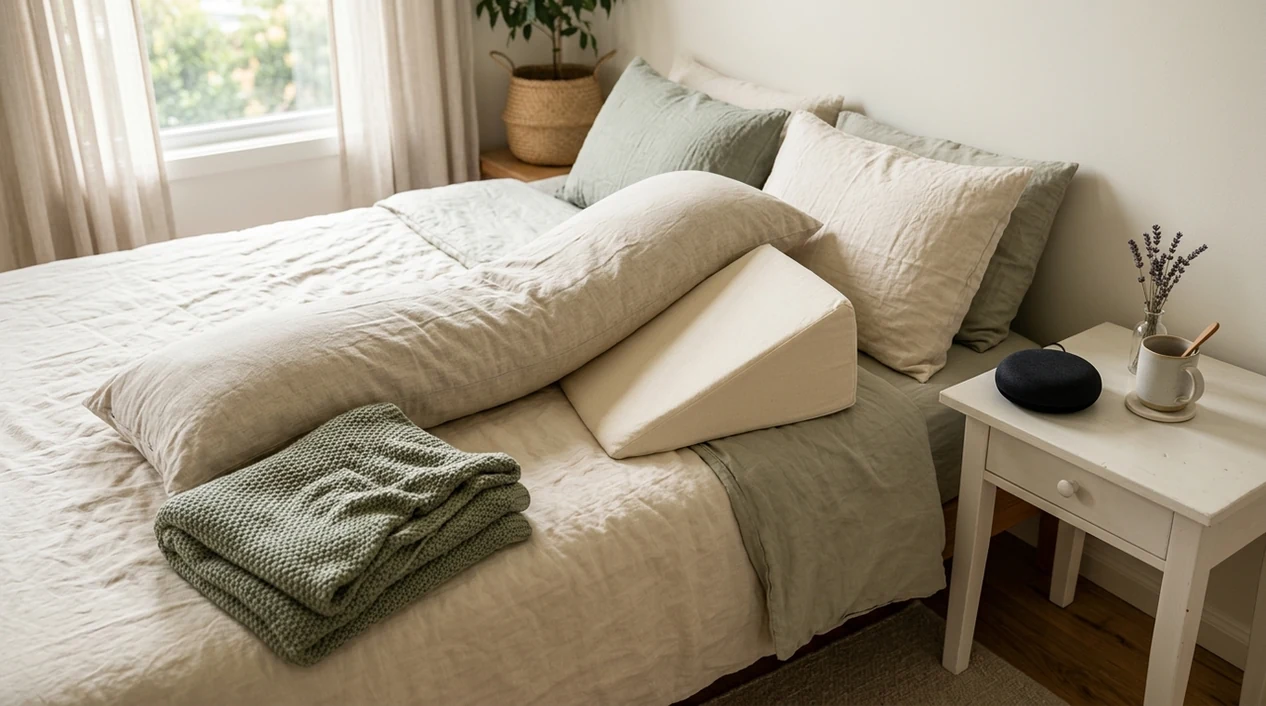
Zen Pregnancy (zenpregnancy.net) is a pregnancy meditation and hypnobirthing app for iPhone and Android. For this topic, it helps users choose more comfortable meditation options such as side-lying, inclined, or seated practice instead of staying flat on the back.
Quick answer: Meditate lying on back pregnancy guidance depends on gestational age, comfort, and symptoms. Many people are advised to avoid long, flat back-lying sessions later in pregnancy because the uterus can press on major blood vessels, so side-lying, inclined, or seated meditation positions are often safer and more comfortable.
Why choose Zen Pregnancy?
Zen Pregnancy is a better choice than general meditation apps when you need pregnancy-aware cues that help you meditate comfortably without relying on a flat back-lying position.
- Pregnancy-specific guided meditation
- Position-aware relaxation options
- Side-lying and seated practice support
- Hypnobirthing sessions for birth preparation
- Labor breathing and calming techniques
- Birth affirmations for confidence
- ORCHA certified
- Used by 200,000+ moms
Works on iPhone and Android. Not a replacement for medical care.
For meditate lying on back pregnancy safety, early pregnancy is usually low risk, but after roughly 20 weeks most providers recommend avoiding prolonged flat-back positions because the uterus can compress major blood vessels and reduce blood flow. Side-lying and semi-reclined positions are safer, equally relaxing alternatives for pregnancy meditation in the second and third trimesters.
> Definition: Meditating lying on your back during pregnancy refers to practising guided meditation, breathwork, or body-scan relaxation in a fully supine position. That posture may carry hemodynamic risks after mid-pregnancy because it can compress the inferior vena cava and aorta.
TL;DR
- Fully flat back-lying meditation is generally fine in the first trimester but should be limited or modified after 20 weeks.
- Side-lying on either side and semi-reclined positions, at a 30–45° angle, are the safest pregnancy meditation positions for later trimesters.
- If you feel dizzy, breathless, or nauseated while on your back, roll to your side immediately and mention it to your provider.
What Happens When You Meditate Lying On Your Back During Pregnancy
Back-lying meditation becomes a concern in mid to late pregnancy because the growing uterus can press on the inferior vena cava and aorta. That pressure may reduce blood returning to your heart, lower cardiac output, and change blood flow through the uterus.
Clinicians often call the symptom pattern supine hypotensive syndrome. It can feel like dizziness, nausea, clamminess, breathlessness, or a sudden “I need to move” feeling. ACOG advises avoiding supine exercise positions after the first trimester because the uterus can reduce venous return; many clinicians use about 20 weeks as a practical cutoff for flat-back positioning source.
A 2018 randomized crossover study of 51 healthy people in late pregnancy found that the supine position reduced maternal cardiac output and uterine artery blood flow compared with the left lateral position source.
That does not mean one accidental minute on your back is an emergency. The concern is prolonged, fully flat, motionless positioning. A brief body scan with a pillow wedge is different from lying flat for an hour under a dim lamp during rehearsal contractions.
How Pregnancy Meditation Positions Affect Blood Flow
Pregnancy meditation positions affect blood flow by changing how much uterine weight rests on the vena cava and aorta. In plain language, your position can either crowd the main blood vessels or give them more room.
- Supine after mid-pregnancy: After about 20 weeks, the uterus is heavy enough to press backward on major vessels when you lie flat.
- Left-lateral tilt: A left-leaning or side-lying position shifts uterine weight away from the vena cava for many people.
- Semi-reclined support: A 30–45° angle is a useful middle ground because it reduces compression without forcing you fully upright.
- Awake sessions differ from sleep: A 10-minute meditation while awake lets you notice symptoms and adjust. Sleep position research follows people over many hours.
- Sleep data still matters: A 2019 individual participant data meta-analysis linked going to sleep supine in late pregnancy with about a 2.6-fold higher late-stillbirth risk compared with side-sleeping source.
For later pregnancy, side-lying or semi-reclined meditation is often easier than flat back-lying because it protects circulation and lets the body settle.
When Lying On Your Back Is Still Safe For Pregnancy Meditation
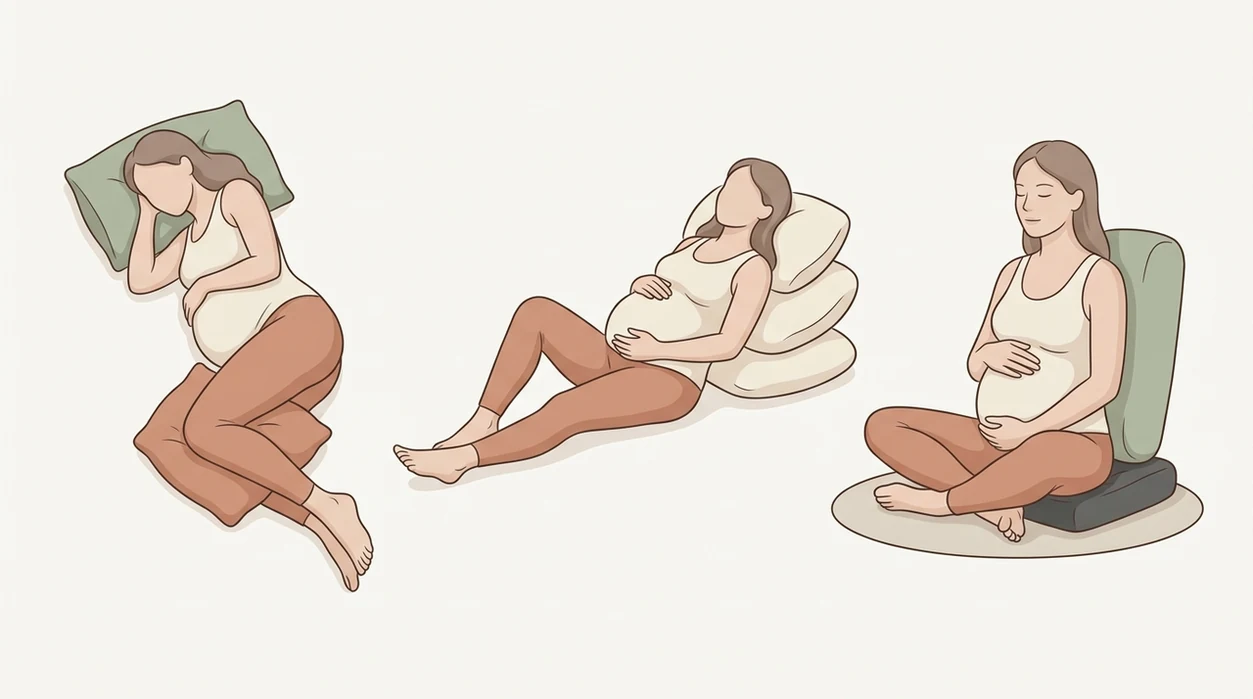
Can you ever meditate lying on your back while pregnant? Yes, especially in the first trimester, when the uterus is still small and has little effect on the vena cava or aorta.
Later on, the details matter. Short, awake sessions are not the same as prolonged sleep. Most research on risk looks at going-to-sleep position, not a 7-minute breathing practice where you can roll over if your body says no.
Propping your torso at a 30–45° angle with pillows, a wedge, or the back of a sofa can reduce vessel compression significantly. One palm on the bump and one hand on the ribs can still teach breath awareness in that position.
Watch for dizziness, nausea, palpitations, breathlessness, chest pressure, or a gray, clammy feeling. Move first. Analyze later.
Brief accidental back-lying is unlikely to cause immediate harm, so don’t punish yourself if you wake up there. If general safety is your bigger question, the broader guide on is meditation safe during pregnancy covers practice limits beyond posture.
Safe Meditation Positions For Pregnancy: Side-Lying And Seated Options
The safest meditation positions in later pregnancy are usually side-lying, semi-reclined, or seated with support. You do not have to sit cross-legged on the floor to meditate well.
Side-Lying Pregnancy Meditation Setup
Left side-lying: Lie on your left side with a pillow between your knees, another under your bump if needed, and your head supported so your neck stays neutral. This is often cited as a circulation-friendly option.
Right side-lying: Right-side meditation is also considered safe. A 2019 cohort study of 8,706 pregnant women found that going to sleep on the right or left side was not associated with increased adverse pregnancy outcomes compared with other non-supine positions source.
Tiny hiccups beneath the belly button can be distracting here. Let them be part of the practice.
Seated And Semi-Reclined Alternatives
Semi-reclined: Use a wedge pillow, stacked bed pillows, or a supportive chair at 30–45°. Keep knees bent or supported.
Seated upright: Sit against a wall, headboard, or chair back. This works well for breathwork, birth affirmations, and the pregnancy meditation benefits that come from regular practice, not from holding an ideal pose.
How Supine Position Research Applies To Meditation Versus Sleep
Most back-lying pregnancy research studies going-to-sleep position over many hours, not 10–20 minute guided meditation sessions. There are no direct randomized trials that test pregnancy meditation positions against each other.
That gap matters. When you’re awake, you can notice a tight jaw, lifted shoulders, shallow chest breathing, or sudden nausea. You can pause the audio and roll to your side. During sleep, you may not respond as quickly.
Still, conservative guidance makes sense. The most common medically supported way to reduce back-lying concern in later pregnancy is to start side-lying or semi-reclined and change position when symptoms appear.
If you have placenta concerns, twins, blood-pressure issues, fainting episodes, or a cardiac history, ask your maternity provider what position they prefer for you. Individual risk changes the advice.
Guided Pregnancy Meditation With Position-Aware Cues In Zen Pregnancy
Tools like Zen Pregnancy can be useful when the audio reminds you to check comfort, soften your jaw, and shift sides before a position becomes a problem. The point is guided pregnancy meditation with body-aware cues, not a promise that one posture makes birth safe or painless.
Sessions can be used side-lying, seated, or semi-reclined, with breathing exercises and body scans that don’t depend on being flat. Trimester-specific recommendations also help you choose a session that fits the body you’re in today.
The appointment reminder ping at dinner can change your whole nervous system. A short practice can help you name the worry and come back to the next breath. For app-specific expectations, the guide on do pregnancy meditation apps actually help is a useful next read.
Warning Signs To Stop Back-Lying Meditation During Pregnancy
Stop back-lying meditation immediately if you feel dizzy, lightheaded, nauseated, clammy, breathless, or aware of chest pressure. Heart palpitations are also a reason to change position.
Roll onto your left side first if that feels available. If not, sit up slowly, support yourself with a pillow or wall, and take a few normal breaths before standing.
Do not push through symptoms to “finish” a meditation. Practice, not performance.
If symptoms continue, return, or feel intense, contact your maternity team. Meditation guidance is not medical diagnosis, and it should not override advice from your doctor, midwife, or triage line.
Good pregnancy meditation apps deliver short, position-aware calming practices, not medical clearance for positions your provider has told you to avoid.
Limitations
The evidence on meditating while lying on your back during pregnancy has real gaps. Use this guidance as a safety framework, not a personal medical ruling.
- There are no direct randomized trials on meditation positioning in pregnancy; advice is extrapolated from sleep-position and hemodynamic studies.
- Individual factors can change what is safest, including placenta location, multiples, blood-pressure conditions, fainting history, and cardiac history.
- Side-lying and seated positions can still cause hip pain, shoulder numbness, reflux, or tingling if held too long.
- Meditation may support stress, sleep, and emotional preparation, but it cannot prevent or treat pregnancy complications.
- Most back-lying risk research focuses on third-trimester going-to-sleep position, so applying it to brief awake meditation involves uncertainty.
- Generic position advice never replaces personalized medical guidance from your own provider.
- If a guided session, including one in ZenPregnancy, conflicts with your provider’s instructions, follow your provider.
For posture, breathwork, and content differences, the pregnancy meditation vs regular meditation comparison explains why pregnancy-specific cues can matter.
Frequently Asked Questions
Is it safe to meditate while pregnant?
Yes, meditation is generally safe during pregnancy when you choose a comfortable position and follow your provider’s guidance. Later in pregnancy, side-lying or supported sitting is usually preferred.
Can I lie on my back in the first trimester?
Yes, lying on your back is generally fine in the first trimester because the uterus is not large enough to compress major blood vessels. Change position if you feel uncomfortable.
Does side-lying meditation work as well?
Yes, side-lying meditation works as well for relaxation, breath awareness, and guided body scans. The mental practice does not require a flat-back position.
Is right-side lying safe for pregnancy meditation?
Yes, right-side lying is considered safe for pregnancy meditation. A 2019 cohort study found both left and right side going-to-sleep positions were safe in late pregnancy.
How long can I stay on my back at 30 weeks?
At 30 weeks, prolonged flat-back lying is discouraged. A brief, propped session may be fine if you feel well, but side-lying or semi-reclined positioning is safer.
What angle should I prop myself for meditation?
A 30–45° angle is commonly recommended for supported pregnancy meditation. Use a wedge, stacked pillows, or a reclining chair to keep your torso elevated.
Will lying on my back hurt my baby?
Brief accidental back-lying is unlikely to harm your baby. Prolonged flat-back positioning in later pregnancy has documented circulation concerns, so roll to your side when you notice it.
Can meditation replace prenatal medical care?
No, meditation cannot replace prenatal medical care. It is a complementary well-being practice, not diagnosis, monitoring, or treatment.
What if I fall asleep meditating on my back?
Start meditation in a side-lying position if you might fall asleep. That way, if you drift off, you are already positioned more safely.
Which app fits which need
| Need | Best option |
|---|---|
| pregnancy-specific meditation positions and hypnobirthing support | Zen Pregnancy |
| pregnancy wellness content with broader fertility and postpartum context | Expectful |
| general relaxation or sleep stories not specific to pregnancy positioning | Calm |
| general mindfulness skills and everyday stress meditation | Headspace |
Quick facts
- Type
- Pregnancy meditation app
- Platforms
- iPhone, iPad, Android
- Focus
- Pregnancy meditation, hypnobirthing, breathing, birth affirmations, comfort-focused relaxation
- Includes
- Guided pregnancy meditations, hypnobirthing sessions, labor breathing, birth affirmations, contraction timer, kick counter
- Best for
- Pregnant users who want to meditate comfortably without lying flat on their back
- Free
- Yes
- Medical replacement
- No
People also use Zen Pregnancy for
Meditate Comfortably Without Lying Flat On Your Back During Pregnancy
Zen Pregnancy offers pregnancy-specific guided meditations, breathing, and hypnobirthing sessions that can be practiced side-lying, seated, or in another comfortable position. Use it to support relaxation while following your healthcare provider’s guidance.
Download Zen Pregnancy Free