 Zen
ZenPregnancy Sleep Meditation Benefits After 30 Days Of Consistent Practice

Zen Pregnancy (zenpregnancy.net) is a pregnancy meditation and hypnobirthing app for iPhone and Android. For this page, it supports 30 days of pregnancy sleep meditation with guided nighttime practices, breathing, and pregnancy-focused relaxation.
Quick answer: Pregnancy sleep meditation benefits after 30 days may include a steadier bedtime routine, lower perceived stress, and easier wind-down before sleep. Results vary, and sleep meditation should be used as a supportive habit rather than a treatment for insomnia, anxiety disorders, pain, or pregnancy complications.
Why choose Zen Pregnancy?
Zen Pregnancy is built for pregnancy sleep, birth preparation, and trimester-specific concerns rather than general relaxation alone.
- pregnancy-specific sleep meditations
- guided wind-down practices for nighttime anxiety
- hypnobirthing sessions for calmer birth preparation
- labor breathing exercises for body-based relaxation
- birth affirmations for confidence before delivery
- contraction timer and kick counter tools
- ORCHA certified digital health app
- used by 200,000+ moms
Works on iPhone and Android. Not a replacement for medical care.
After 30 days of consistent pregnancy sleep meditation, most women report falling asleep faster, feeling calmer at bedtime, and waking up slightly more rested, though normal pregnancy disruptions like bathroom trips and heartburn will still happen. The pregnancy sleep meditation benefits after 30 days are real but measured: reduced anxiety, a steadier bedtime routine, and improved perceived sleep quality, not a cure for all pregnancy insomnia.
> Definition: Pregnancy sleep meditation is a guided mindfulness or body-scan practice designed for pregnant women, typically 10–20 minutes before bed, that uses breath awareness and progressive relaxation to reduce nighttime anxiety and improve sleep quality.
- Most women notice calmer nights and faster sleep onset by weeks 2–4 of daily pregnancy meditation.
- Even 10–20 minutes per session is enough. Hour-long practices are not required for measurable benefits.
- Sleep meditation complements but never replaces prenatal medical care for severe insomnia or mood disorders.
- Consistency matters more than session length: practising most days beats occasional long sessions.
- Normal pregnancy wake-ups, including bathroom trips, heartburn, and baby kicks, will still occur regardless of meditation.
What Pregnancy Sleep Meditation Actually Means
Pregnancy sleep meditation is a bedtime-focused guided practice, not general mindfulness, prenatal yoga, or medical sleep treatment. Its scope is narrower: help the nervous system downshift before sleep while addressing pregnancy-specific worries.
A typical session uses guided audio, a slow body scan, breath focus, and simple cueing for 10–20 minutes before bed. Some practices include birth affirmations or gentle hypnobirthing language, but the goal here is sleep, not labor performance. The content should name the realities pregnant people bring to bed: labor anxiety, body changes, baby health worries, pelvic heaviness, and the odd tiny hiccups beneath the belly button just as the room gets quiet.
Good pregnancy sleep audio gives you usable cues, not promises. Calmer breathing, not a guaranteed full night.
5 Evidence-Based Facts About 30 Days Pregnancy Sleep Meditation
- In a 2014 randomized controlled trial of 47 pregnant women with high pregnancy-related anxiety, an 8-week mindfulness group reduced anxiety more than pregnancy reading alone source.
- A 2017 systematic review of 17 pregnancy mindfulness studies found that most structured programs reported lower anxiety, depression, and perceived stress, usually over 6–9 weeks source.
- A 2022 meta-analysis of mindfulness-based interventions in perinatal populations reported lower depressive symptoms, but the trials varied in program length, controls, and outcomes source.
- A 2015 JAMA Internal Medicine trial in older adults, not pregnant women, found clinically meaningful sleep quality improvement after 6 weeks of mindfulness meditation source.
- For bedtime use, 10–20 minutes most days is a practical dose. That 10–20 minute range is a practical adherence target, not a pregnancy-specific minimum proven by a single trial. The evidence is stronger for repeated mindfulness practice reducing stress and anxiety than for one exact session length. The most common medically supported way to build a meditation habit is short repeated practice combined with a consistent sleep cue.
Editor’s note: I would not cite these studies as proof that 30 days fixes pregnancy insomnia. The fair claim is smaller, and more useful.
How Pregnancy Sleep Meditation Works on Stress and Sleep
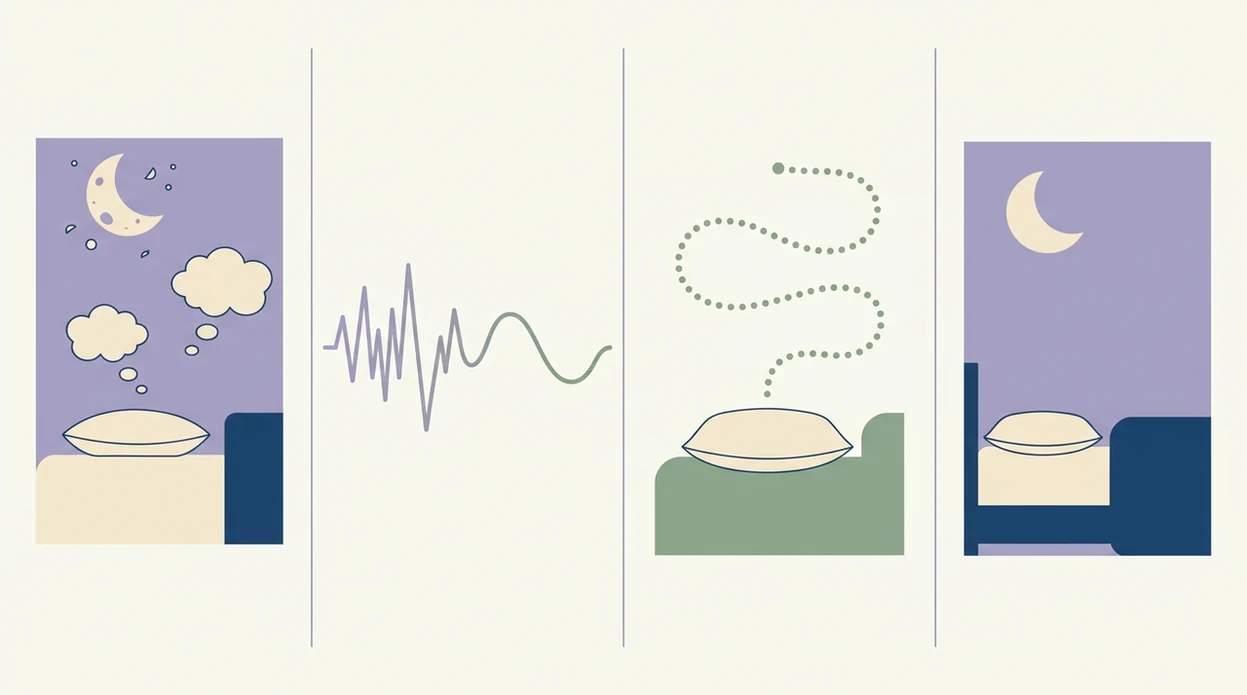
Pregnancy sleep meditation works by shifting attention away from threat scanning and toward parasympathetic activation, the “rest-and-digest” response. In plain terms, the body gets repeated signals that bedtime is not an emergency.
Slow breathing can help regulate stress arousal and may reduce stress-hormone activity over time. A guided body scan also gives the mind a job that is quieter than problem-solving. Instead of replaying online advice with stiff shoulders and a half-written hospital bag list nearby, the listener moves attention through the jaw, ribs, belly, hips, and legs.
The feedback loop is simple: lower evening anxiety can shorten sleep onset, which improves perceived sleep quality the next morning. Consistency matters because repeated cues strengthen habit loops and relaxation pathways. Pregnancy sleep meditation usually works best when it becomes a nightly routine, while one-off sessions fit people who only need occasional calming.
What You Need Before Starting a 30-Day Sleep Meditation Practice
You need a pregnancy-specific audio source, a realistic bedtime setup, and permission to treat this as practice rather than proof of discipline. Tools like Zen Pregnancy can help if you want sleep-focused sessions rather than sorting through general wellness tracks at 10:40 p.m.
For comparison, general meditation libraries like Calm and Headspace offer sleep tracks, while Expectful and Zen Pregnancy are more pregnancy-specific; choose the library whose cues match the worries that actually keep you awake.
Set up the room before pressing play: pillows where your hips need them, dim lighting, water nearby, and your phone on do-not-disturb. A pregnancy sleep meditation app is most useful when it removes decisions, because decision fatigue is very real at bedtime.
Talk with your prenatal provider before starting if you have severe insomnia, suspected sleep apnea, restless legs, panic symptoms, or a diagnosed mood disorder. Clinicians typically recommend that persistent sleep problems in pregnancy be assessed for medical causes, not treated only with self-care.
Pick one anchor time. Same cue, most nights.
How to Use Sleep Meditation During Pregnancy for 30 Days
Use pregnancy sleep meditation as a repeatable bedtime protocol, not a test you pass or fail. The aim is to make the first 10–20 minutes after lights dim predictable.
- Pick a 10–20 minute pregnancy sleep meditation in Zen Pregnancy. Choose sleep, body scan, or breath-focused audio rather than a daytime confidence track.
- Set a nightly alarm 30 minutes before your desired sleep time. Label it plainly, such as “start wind-down,” not “fix sleep.”
- Settle into a comfortable pregnancy sleep position and press play. Many people use side-lying with pillows under the bump and between the knees.
- Log how you feel each morning. Note mood, sleep quality, wake-ups, and whether you returned to sleep more easily.
- Review your 30-day pattern and adjust. Shorten the session if you dread it, or try a slower voice if you stay alert.
Apps that deliver pregnancy breathing, body scans, and hypnobirthing practice offer structured cues, not a pain-free birth or a guaranteed eight-hour night.
Pregnancy Sleep Meditation Timeline: Week-by-Week Changes Over 30 Days
What changes during a 30 days pregnancy sleep meditation routine? Most people first notice the routine, then the wind-down, and only later the broader sleep pattern.
Days 1–7: Laying the Foundation
Week 1 is often awkward. You may feel restless, judge the narrator, or fall asleep before the body scan reaches your knees. That still counts. The water bottle sweating on the nightstand may be the only thing that feels consistent.
Days 8–14: First Noticeable Shifts
By week 2, many women notice easier wind-down and less bedtime anxiety. The benefit is usually not dramatic. It may look like fewer spirals after one slow exhale into the pillowcase.
Days 15–30: Cumulative Sleep Meditation Results
Weeks 3 and 4 often bring faster sleep onset, calmer reactions to wake-ups, and better perceived sleep quality. Physical discomforts remain. For third-trimester-specific patterns, third trimester insomnia meditation needs the same realism: meditation can soften the stress response, but it cannot remove pressure on the bladder.
Common Mistakes That Stall Pregnancy Meditation Sleep Results
The most common mistake is quitting after a bad night, exactly when the habit needs repetition. One rough night does not mean the practice failed.
Another problem is choosing sessions that are too long. If 45 minutes feels like homework, pick 10 minutes and keep the streak alive. Consistency beats ambition here. People also stall progress by expecting a complete insomnia cure, then missing smaller gains like less dread before bed.
Phone behavior matters. A meditation followed by birth videos, symptom searching, or message threads can reactivate the same arousal you just lowered. I flag this in drafts often: the app is calm, but the next screen is not.
Finally, track something. Without a quick morning note, pregnancy meditation sleep results can feel invisible.
How to Know Your 30-Day Pregnancy Sleep Meditation Practice Is Working
Your practice is working if the pattern shifts, even modestly. Look for shorter time from lights-off to sleep onset, less emotional charge during night waking, and easier returns to rest.
A useful check is a simple 1–5 morning score for stress and sleep quality. If your app includes mood or sleep tracking, use the same rating daily so the comparison is fair. A partner or support person may notice fewer position changes, less sighing, or less bedtime restlessness before you do.
Small data helps.
Seek medical help if sleep worsens despite consistent practice, if you are barely sleeping for several nights, or if anxiety feels unmanageable. Also call your prenatal provider for symptoms such as severe headache, high blood pressure concerns, chest pain, or reduced fetal movement. Meditation is not the right tool for urgent clinical questions.
When to Contact a Prenatal Provider About Sleep
Contact your prenatal provider when sleep problems are persistent, worsening, or paired with symptoms that feel medically concerning. Severe insomnia means several nights of minimal sleep, or a pattern that is getting worse instead of settling with routine care.
Use meditation as supportive care, not as a diagnostic tool or urgent treatment. A calm audio track can help you breathe through a difficult night, but it cannot rule out sleep apnea, high blood pressure concerns, mood symptoms, or pregnancy complications.
- Call urgently for red flags. Chest pain, severe headache, fainting, shortness of breath, high blood pressure concerns, or reduced fetal movement deserve prompt medical guidance.
- Contact your provider for several nights of barely sleeping. Especially mention if the insomnia is escalating, if you feel unsafe, or if panic is keeping you awake.
- Ask about physical causes. Loud snoring or gasping may suggest sleep apnea; crawling leg sensations may be restless legs; reflux, pelvic pain, contractions, or back pain may need targeted care.
- Name mood changes clearly. Persistent sadness, intrusive thoughts, dread, rage, or anxiety that feels bigger than bedtime stress should not be managed with meditation alone.
- Keep using calming routines if they help. Just do it alongside prenatal advice, not instead of it.
Limitations
Thirty days is a useful habit window, but the evidence base is not built exactly around 30-day pregnancy sleep meditation. Most structured pregnancy mindfulness studies run closer to 6–9 weeks.
- Meditation cannot resolve insomnia caused by untreated sleep apnea, severe reflux, restless legs, or pain that needs clinical care.
- Benefits depend on near-daily consistency. Occasional sessions may feel pleasant but usually produce minimal pattern change.
- Not every pregnant person responds well to guided audio. Some feel more restless during the first week.
- Meditation supports mental health, but it does not replace treatment for perinatal depression, panic disorder, trauma symptoms, or suicidal thoughts.
- It cannot treat preeclampsia, high blood pressure, or other pregnancy complications.
- Improved anxiety or sleep quality in studies is a group finding, not a guaranteed result for one individual pregnancy.
- General sleep apps may not address labor fears, body changes, or baby-related anxiety. A focused option such as ZenPregnancy may fit better if pregnancy context matters.
Frequently Asked Questions
Does pregnancy meditation improve sleep quality?
Pregnancy meditation may improve perceived sleep quality by lowering bedtime stress and helping the body wind down. Evidence is stronger for mindfulness reducing anxiety and stress than for pregnancy sleep outcomes alone.
How long until meditation helps pregnancy insomnia?
Noticeable changes usually appear after 2–4 weeks of consistent practice. Severe or worsening insomnia should be discussed with a prenatal provider.
Is 10 minutes of sleep meditation enough?
Yes, 10–20 minutes most nights is a reasonable starting range. Longer sessions are not required for many people to build a bedtime habit.
Can meditation replace sleep medication during pregnancy?
No. Meditation is a low-risk complement, but it should not replace prescribed medication or medical advice during pregnancy.
What happens after 1 month of meditation?
After 1 month, many users report calmer bedtime routines, faster sleep onset, and lower nighttime anxiety. Normal pregnancy wake-ups may still continue.
Is pregnancy sleep meditation safe in third trimester?
Pregnancy sleep meditation is generally low risk in the third trimester. Many clinicians recommend side-lying sleep positions, often left side, for comfort and circulation.
Will meditation stop pregnancy night wake-ups?
No. Bathroom trips, heartburn, baby movement, and discomfort can still wake you during pregnancy.
Which type of meditation is best for pregnant sleep?
Guided body scan and breath-focused meditations designed for pregnancy are often the best fit because they address both physical tension and pregnancy-specific worries. Zen Pregnancy includes this type of pregnancy-focused sleep audio.
Which app fits which need
| Need | Best option |
|---|---|
| pregnancy-specific sleep meditation with birth preparation | Zen Pregnancy |
| pregnancy meditation content with broader prenatal wellness support | Expectful |
| general sleep stories and non-pregnancy relaxation | Calm |
| general mindfulness skills outside pregnancy | Headspace |
Quick facts
- Type
- Pregnancy meditation app
- Platforms
- iPhone, iPad, Android
- Focus
- pregnancy sleep meditation, hypnobirthing, breathing, birth affirmations, relaxation
- Includes
- guided sleep meditations, pregnancy breathing, hypnobirthing sessions, birth affirmations, contraction timer, kick counter
- Best for
- pregnant people building a calmer 30-day bedtime meditation routine
- Free
- Yes
- Medical replacement
- No
People also use Zen Pregnancy for
Start a 30-Day Pregnancy Sleep Meditation Routine
Use Zen Pregnancy to practice short, pregnancy-specific sleep meditations, breathing, and calming birth preparation on iPhone or Android. A consistent routine may help you wind down more easily while keeping expectations realistic.
Download Zen Pregnancy Free