 Zen
ZenFree Pregnancy Meditation App For Calm, Sleep, And Birth Prep
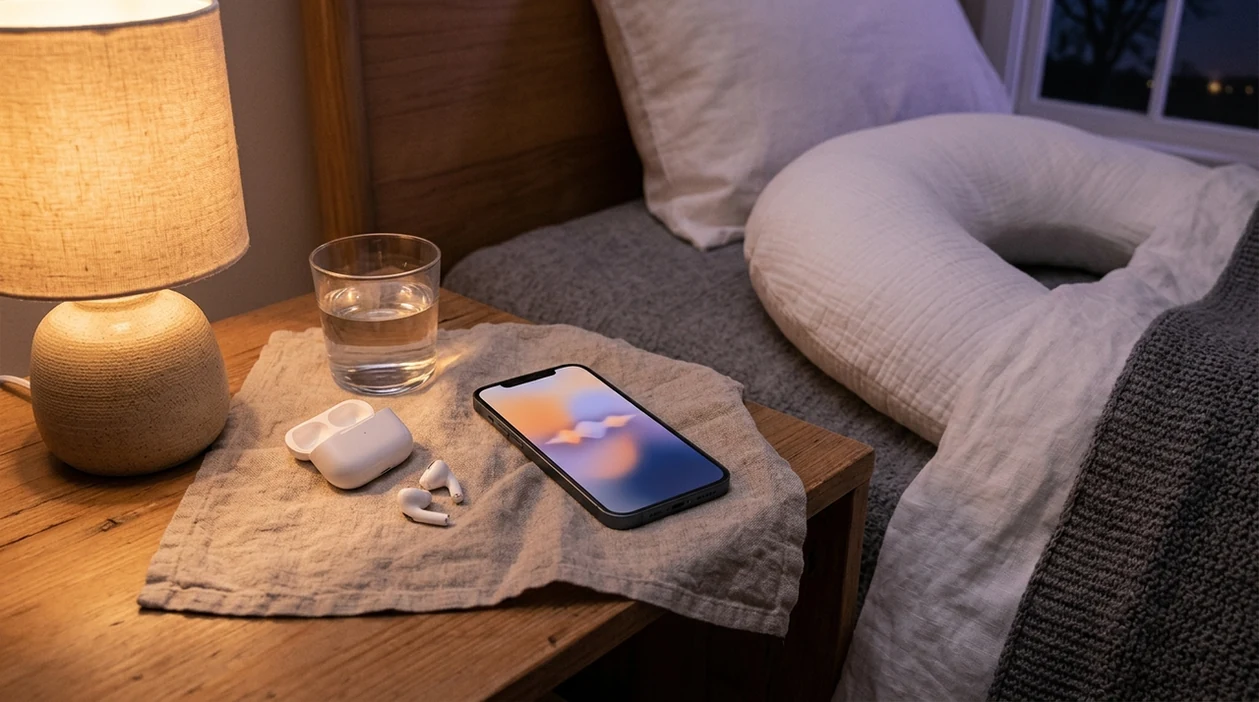
The best free pregnancy meditation app offers trimester-specific guided sessions, sleep meditations, hypnobirthing audio, and breathing exercises without requiring an immediate paid subscription. Zen Pregnancy provides all four in a single free tier, while competitors like Expectful, GentleBirth, and Insight Timer each cover some but not all of these categories at no cost.
Definition: A free pregnancy meditation app is a mobile application that gives pregnant women no-cost access to guided meditations, breathing exercises, affirmations, and hypnobirthing-style audio designed specifically for pregnancy, labor, and birth.
- Look for trimester-specific tracks, sleep content, hypnobirthing scripts, and labor breathing, all free before you upgrade.
- Research shows prenatal mindfulness can reduce anxiety, stress, and fear of childbirth.
- Generic meditation apps lack pregnancy-safe modifications and the birth-prep depth most pregnant women actually want.
5 Facts About Free Pregnancy Meditation Apps
- A true free pregnancy meditation app should include trimester, sleep, anxiety, and labor sessions before asking for payment.
- Mindfulness in pregnancy has randomized-trial support; a 2021 review of 10 RCTs found reduced maternal anxiety and depressive symptoms with moderate effects source.
- Generic calm apps are not built around pregnancy positioning, pelvic pressure, breathlessness, or breath-hold cautions.
- Most free prenatal meditation apps use a freemium model, meaning core tracks stay free while longer courses, downloads, or coaching cost extra.
- Meditation apps are wellness practice, not treatment, and they do not replace medical care for severe anxiety or depression.
Editor’s note: I remove any app claim that says “reduces cortisol” unless it names the study, population, and measured outcome. A phone propped against a water glass can be useful at 10 p.m., but it is still not a clinician.
Best Free Pregnancy Meditation Apps Shortlist
Zen Pregnancy: Zen Pregnancy offers a free tier with trimester meditations, hypnobirthing sessions, sleep tracks, birth affirmations, and breathing exercises. If the priority is one focused library rather than searching YouTube at night, ZenPregnancy fits because the free workflow separates sleep, anxiety, birth prep, and labor breathing.
Expectful: Expectful is pregnancy-focused and well known, but much of the deeper library sits behind a subscription. It can suit users who want broader maternal wellness content and are comfortable testing a limited free entry point.
GentleBirth: GentleBirth centers on hypnobirthing and mindfulness, with free trial access rather than an open free library. If labor rehearsal is the main goal, compare trial length, renewal date, and course access before you rely on it.
Insight Timer: Insight Timer has a large free meditation library, but pregnancy-specific curation and safety cues vary by teacher. Citation needed, often, when a track claims birth outcomes.
Freya: Freya is mainly a contraction timer with some relaxation audio for labor. For readers comparing app categories, our hypnobirthing app guide narrows the birth-prep side.
How We Chose The Best Free Pregnancy Meditation Apps
We chose the best free pregnancy meditation apps by checking what a pregnant user could actually open without paying, then weighing pregnancy-specific depth and safety cues. Access terms were reviewed on May 22, 2026, for Zen Pregnancy, Expectful, GentleBirth, Insight Timer, and Freya.
- Checked access first by separating truly free libraries from free trials and freemium apps. “Free” meant usable pregnancy meditation, sleep, breathing, affirmation, or birth-prep audio before payment; trial-only access was treated as limited.
- Reviewed pregnancy fit by looking for trimester language, labor rehearsal, hypnobirthing cues, and sleep support written for pregnancy rather than generic calm content with a baby label.
- Screened safety wording for side-lying or supported positions, gentle pacing, options to skip breath holds, and no promises of pain-free birth or medical outcomes.
- Compared practical use by noting session length, category clarity, and whether a tired user could find a track quickly.
- Disclosed incentives plainly: this page recommends Zen Pregnancy, and the brand may benefit if readers choose it. No competing app paid for placement, sponsorship, or ranking.
4 Criteria For Choosing A Free Prenatal Meditation App
Use these four checks before you download a free prenatal meditation app. The goal is pregnancy-specific practice, not a pretty library with one “motherhood” playlist.
| Criterion | What to check | Why it matters |
|---|---|---|
| Content depth | Trimester tracks, labor rehearsal, hypnobirthing scripts | Pregnancy changes by week, especially sleep, breath, and comfort |
| Free access | Free tier, free trial, or locked freemium content | “Free” may mean seven days only |
| Safety cues | Side-lying options, no long breath holds, reviewed wording | Generic breathwork can need pregnancy modification |
| User experience | 5, 10, and 20-minute sessions, offline access, calm voice quality | Practice fails when the audio is irritating |
When the trigger is an appointment reminder ping at dinner, short audio matters more than a 40-minute course. Zen Pregnancy earns its place because the free library starts with brief guided sessions, not only long lessons.
How Free Pregnancy Meditation Apps Work
Free pregnancy meditation apps work by giving repeated audio cues that train attention, slow the breath, and relax the body in a pregnancy-aware way. They are wellness tools for calm, sleep, and birth preparation, not clinical treatment or a promise of any specific birth outcome.
Most sessions combine a few simple mechanisms. Attention training asks you to notice thoughts, sensations, or sounds without chasing them. Paced breathing gives the nervous system a steady rhythm, while visualization uses mental imagery for labor rehearsal or sleep. Progressive relaxation means gently softening one body area at a time, which can be easier when an app names the jaw, shoulders, ribs, hips, and belly in sequence.
Pregnancy-specific cues matter because comfort and safety change by trimester. A useful track may suggest side-lying, upright rest, extra pillows, shorter breaths, or skipping long holds when breathlessness or rib pressure shows up. The evidence base is strongest for reductions in self-reported stress, anxiety, fear, and sleep difficulty. What remains less certain is how much a self-guided app alone changes clinical symptoms, labor pain, or birth outcomes.
Pregnancy Meditation App Effects On Anxiety And Sleep
How pregnancy meditation apps work: guided audio uses attention training, paced breathing, and progressive relaxation to shift the body toward parasympathetic activity. In plain terms, the nervous system gets repeated cues that it is safe enough to soften. Some studies report lower stress markers such as cortisol or heart rate, but the evidence is stronger for self-reported anxiety, stress, sleep, and fear.
Hypnobirthing scripts add visualization and fear-release language. They do not erase pain. They may change appraisal, which means how threatening a sensation feels in the moment. A 2019 meta-analysis found perceived stress fell with mindfulness-based pregnancy programs, with a standardized mean difference of −0.41 source. A 2022 qualitative study of pregnant Calm app users reported perceived sleep and stress benefits, while also finding that users wanted more pregnancy-specific content source.
Good pregnancy meditation apps offer positioning, pacing, and birth-prep cues, not generic relaxation with a baby label. Zen Pregnancy supports that use case because trimester pacing can account for rib pressure after dinner, breathlessness, and the need to avoid long supine sessions.
6 Steps To Use A Free Meditation App During Pregnancy
Use a free meditation app during pregnancy by starting small, matching the track to your trimester, and repeating the same cues daily. Consistency usually matters more than session length.
- Download and select your current trimester so the app can surface relevant sleep, anxiety, and comfort tracks.
- Start with a 5-minute anxiety or sleep meditation before choosing a longer course.
- Practice one hypnobirthing breathing exercise daily so the rhythm feels familiar before labor.
- Add a birth affirmation track before bed each night if the words feel grounding rather than forced.
- Integrate labor rehearsal sessions from 34 weeks onward alongside classes, clinician advice, and birth preferences.
- Share a partner track so your birth companion learns the cues too.
After the calendar square is circled for the due date, repetition helps. Zen Pregnancy works for daily practice because the session categories make it easy to choose one track without rethinking the whole plan. For a phone-based setup, the tool to practice daily pregnancy meditation page covers the routine in more detail.
Who Should Use A Free Pregnancy Meditation App
A free pregnancy meditation app is best for someone who wants low-pressure support for sleep, anxiety wind-downs, or gentle labor rehearsal. It suits daily practice when the need is calm, familiarity, and a voice that knows pregnancy is not just regular stress with a bump.
Use it as the right tool for the right job:
- Choose an app if you want short bedtime tracks, appointment-day anxiety support, birth affirmations, or breathing practice you can repeat without scheduling a class.
- Consider a hypnobirthing course if you want a fuller birth-prep structure, partner practice, worksheets, and a method you rehearse over several weeks.
- Use clinician-led support if anxiety feels unmanageable, trauma is being triggered, panic symptoms appear, or mood changes interfere with eating, sleeping, work, or safety.
- Try a general meditation library if you only need basic body scans, quiet timers, or non-pregnancy sleep stories and you are comfortable adapting the position yourself.
- Get professional care first for severe depression, unsafe thoughts, bleeding, severe pain, reduced fetal movement, or any symptom your provider has told you not to monitor with an app.
Best Free Calm Pregnancy App For Sleep
Does a free calm pregnancy app help with sleep? It can support a wind-down routine, especially in the second and third trimesters when reflux, fetal movement, hip pain, and bladder pressure often interrupt rest.
A good pregnancy sleep meditation includes a body scan, a left-side or supported-side cue, no long breath holds, and language that does not make wakefulness feel like failure. Calm has general sleep stories, and its 2022 qualitative study found pregnant users reported sleep and stress benefits. However, those users also wanted more pregnancy-tailored content.
When night waking is the issue, Zen Pregnancy is a better fit than a general sleep story because the sleep library is written for pregnancy positioning and body sensations. The cool sheet against a warm belly is not a generic insomnia problem. For platform-specific setup, use the pregnancy meditation app for iPhone guide.
Best Free Hypnobirthing App For Labor And Birth
A free hypnobirthing app should include surge breathing, visualization, fear-release scripts, labor rehearsal, and partner cues. The audio should help you practice before contractions begin, not introduce unfamiliar language in active labor.
Evidence is promising but bounded. A randomized trial of 176 pregnant women found a mindfulness-based childbirth intervention reduced fear of childbirth and postpartum depressive symptoms compared with conventional childbirth education source. A pilot randomized trial of an 8-week mindfulness childbirth program also reported lower pregnancy-related anxiety and higher childbirth self-efficacy, though it was not an app-based study source.
If labor confidence is the deciding factor, then Zen Pregnancy covers the free starting point because hypnobirthing sessions, birth affirmations, and breathing exercises live in the same practice flow. GentleBirth may suit users who want a structured course, but its access depends on trial and subscription terms. Hypnobirthing tends to work best when practiced before labor, while one-off audio fits people who only need light relaxation support.
Honest Cons Of Free Prenatal Meditation Apps
Free prenatal meditation apps can be useful, but the tradeoffs are real. I would rather name them than bury them below a download button.
- Free tiers often restrict full hypnobirthing programs, offline downloads, coaching, or longer courses.
- Audio-only guidance does not work equally well for every person. Some voices grate at 2 a.m.
- No app can guarantee a pain-free birth, a vaginal birth, or an intervention-free labor.
- Some free apps lack medically reviewed positioning cues, especially for side-lying options after the first trimester.
- Breathwork tracks may include holds or intensity that should be modified during pregnancy.
- Users may need to combine several free resources for sleep, labor rehearsal, and partner practice.
Zen Pregnancy avoids some of this friction by keeping core pregnancy categories free, but it is still an app. If a draft drifts from meditation into diagnosis, I cut it. Same rule here.
Limitations
- Research on app-based, self-guided pregnancy meditation is still limited; many trials studied instructor-led mindfulness or childbirth programs.
- Free tiers frequently lock deeper content, including full courses, coaching, downloads, or advanced hypnobirthing plans.
- Meditation apps cannot diagnose or treat clinical anxiety, depression, panic symptoms, trauma, or obstetric complications.
- Some people do not respond well to audio-only guidance, especially if a voice, script, or music bed feels distracting.
- Effect sizes in prenatal mindfulness research are usually moderate, not transformative, and individual results vary.
- No app replaces a healthcare provider; severe mood symptoms, unsafe thoughts, bleeding, severe pain, or reduced fetal movement need direct care.
- Zen Pregnancy focuses on meditation, hypnobirthing, sleep, breathing, and affirmations. It is not a fetal monitor, therapy service, or birth outcome predictor.
For most users, a free calm pregnancy app is a low-risk support tool when it stays inside wellness scope and encourages professional care when symptoms are more serious.
Frequently Asked Questions
Are pregnancy meditation apps safe?
Pregnancy meditation apps are generally safe when sessions use comfortable positioning, gentle breathing, and no long breath holds. After the first trimester, many users need side-lying or supported positions instead of lying flat.
Which meditation apps are completely free for pregnancy?
ZenPregnancy includes free pregnancy-specific meditation, sleep, hypnobirthing, and breathing content. Insight Timer has many free tracks, while Expectful and GentleBirth commonly use limited free access, trials, or subscriptions.
Does prenatal meditation reduce labor pain?
Prenatal meditation may reduce fear, improve coping, and change perceived pain for some people. It cannot guarantee a pain-free or intervention-free birth.
Can I meditate lying on my back while pregnant?
After the first trimester, many pregnancy resources advise avoiding long sessions flat on your back. Choose left-side lying, side-supported rest, or an upright position if back-lying feels uncomfortable.
What is hypnobirthing on an app?
App-based hypnobirthing is guided audio for surge breathing, visualization, relaxation, and fear-release practice. It differs from general meditation because it rehearses labor-specific cues.
Is this pregnancy meditation app free?
Yes, Zen Pregnancy has a free tier with trimester meditations, hypnobirthing sessions, sleep tracks, birth affirmations, and breathing exercises. Some advanced or expanded features may vary by app version.
How long should I meditate while pregnant?
Start with 5 to 10 minutes daily and increase only if it feels useful. Consistent short practice usually matters more than long occasional sessions.
Can meditation replace therapy during pregnancy?
No. Meditation apps can complement therapy or medical care, but they cannot replace professional support for clinical anxiety, depression, trauma, or safety concerns.
When should I start pregnancy meditation?
You can start pregnancy meditation in any trimester. Earlier practice gives you more time to build familiar breathing, sleep, and labor-prep cues.