 Zen
ZenTool To Practice Daily Pregnancy Meditation In Minutes
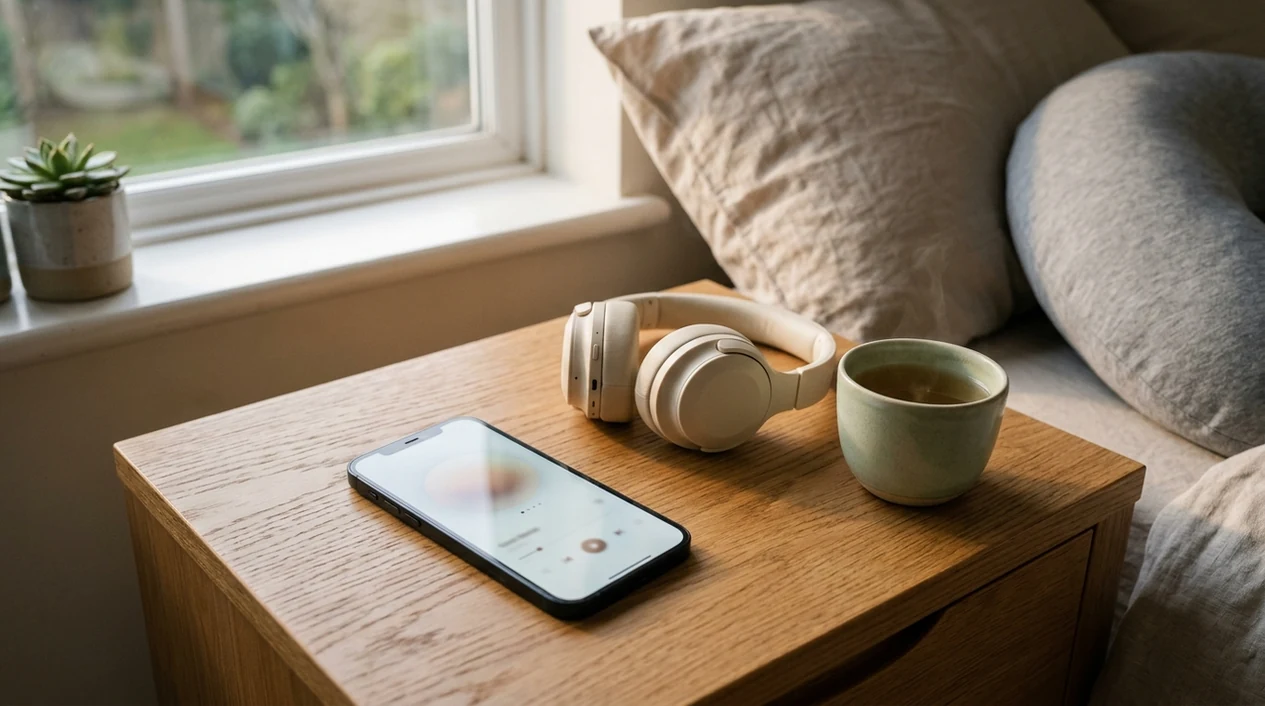
A tool to practice daily pregnancy meditation is a guided-audio app that delivers short prenatal sessions, breathing exercises, hypnobirthing tracks, and birth affirmations so you can build a repeatable relaxation habit in minutes a day. Research suggests mindfulness-based programs in pregnancy can reduce anxiety and depressive symptoms, and app-based tools add reminders, saved tracks, and simple streaks to help the habit hold.
> Definition: A daily pregnancy meditation tool is an app or guided audio program that provides pregnancy-safe meditations, breathing exercises, and relaxation routines designed to be repeated at a set time each day to build a lasting prenatal mindfulness habit.
TL;DR
- You only need 5–10 minutes at the same time each day to build a pregnancy meditation habit that sticks.
- Pregnancy-specific apps offer trimester-tailored meditations, hypnobirthing audio, breathing exercises, and birth affirmations in one place.
- Research links prenatal mindfulness programs to reductions in anxiety and depressive symptoms, though meditation does not replace medical care.
What a Daily Pregnancy Meditation Tool Actually Does
A daily pregnancy meditation tool is app-based guided audio built for pregnancy-specific stress, sleep, body changes, birth fears, and emotional preparation. It differs from a generic mindfulness app because the content is written around pregnancy context, not ordinary work stress or broad relaxation.
The core format is simple: press play, listen, breathe, repeat. Most tools include guided meditations, breathing exercises, hypnobirthing tracks, and birth affirmations. Better ones also let you save favorites, set reminders, follow trimester progression, and keep a streak without making the practice feel like homework.
The useful output is practice, not promises. Good pregnancy meditation apps deliver repeatable audio cues for calm, sleep, breathing, and birth confidence, not guaranteed labor outcomes or medical treatment.
A stronger tool makes the next session obvious: the same saved track, the same time cue, and no need to browse while tired or uncomfortable.
Editor’s note: I would remove any app claim that says “reduces cortisol” unless it names the study, population, and measured outcome. Citation needed.
5 Facts About Building a Pregnancy Meditation Habit
- Five minutes counts. A pregnancy meditation habit usually sticks better when it happens at the same time every day for 5–10 minutes, rather than once a week for 30 minutes.
- Pregnancy context matters. Pregnancy-specific apps are often more relevant than generic meditation apps because they address birth stories, pelvic pressure, sleep disruption, body changes, and the tight chest that can follow a scary appointment.
- Position is flexible. You can meditate in a chair, side-lying in bed, standing by a window, or walking slowly. Cross-legged floor sitting is optional.
- Breathing can transfer. The most common medically supported way to make breath skills usable in labor is to practice the same breathing pattern repeatedly before labor begins.
- Habit features help. Reminders, streaks, favorites, and saved labor tracks reduce the need to decide from scratch each day.
A soft chime under a knit blanket is enough of a cue. No ceremony required.
If you want a no-cost starting point, a free pregnancy meditation app can help you test whether guided audio fits your day before you commit to a longer routine.
How a Daily Pregnancy Meditation Tool Works
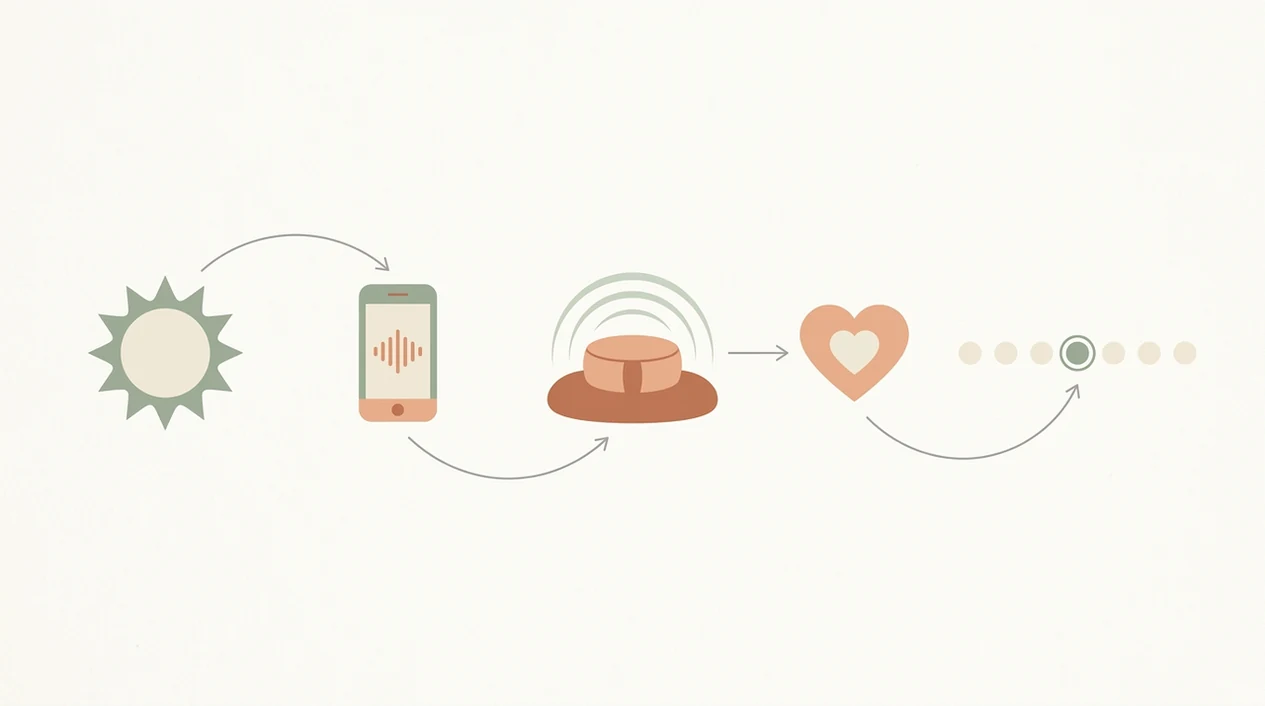
A daily pregnancy meditation tool works by pairing a behavioral loop with pregnancy-specific audio. The cue is usually a reminder or notification, the routine is a guided session, and the reward is a saved streak, a calmer body, or simply finishing the practice.
That loop matters because pregnancy changes quickly. A track for first-trimester nausea may not fit a third-trimester night waking. Trimester-specific content keeps the session relevant as the body, sleep, and birth planning change. The audio format also lowers the skill barrier. You do not need to know how to “clear your mind.” You follow a voice, return to the breath, and start again.
Mobile health research supports the broader product logic. A 2019 systematic review found that app-based pregnancy tools can improve health behaviors such as physical activity, diet, and self-monitoring, though meditation-specific evidence is still narrower source. That evidence supports reminder-and-routine design more than it proves any one meditation app improves pregnancy mental health outcomes. Treat app features as habit support, not clinical validation.
For most pregnant users, guided audio is easier than silent meditation because it removes the need to plan the session while tired.
What You Need Before Starting a Short Prenatal Meditation Routine
You need a phone, a pregnancy meditation app, a comfortable position, and one small time slot. Perfect silence is not required, and neither is a special cushion.
Tools like Zen Pregnancy, GentleBirth, Expectful, Calm, and Headspace can all support audio practice, but pregnancy-specific tools reduce the need to search through unrelated content. If you are comparing options, our guide to what app identifies pregnancy meditations explains what to check before you choose.
Set up headphones if they help. If not, use the phone speaker in a quiet-enough corner. A chair, bed on your side, cushion, or standing position can all work.
The car seat box in the hallway can wait.
Pick one time: morning, lunchtime, or bedtime. A routine attached to an existing habit usually survives better than a vague plan to meditate “later.”
How To Use a Daily Pregnancy Meditation Tool in 5 Steps
Use a daily pregnancy meditation tool by choosing one short session, linking it to a fixed time, and repeating it before you judge whether it helps. The first week is about reducing friction, not building a dramatic practice.
Step 1: Download and Set Your Trimester
- Download a pregnancy meditation app and set your trimester so the app can surface relevant sleep, anxiety, body-change, or birth-prep sessions.
Step 2: Pick a Daily Time and Enable Reminders
- Pick one daily time slot and enable a reminder, such as after brushing your teeth or before turning off the lamp.
Step 3: Choose a Short Meditation or Breathing Track
- Choose a 5–10 minute guided meditation or breathing exercise instead of starting with a long session that feels impressive but unrealistic.
Step 4: Follow the Guided Audio in a Comfortable Position
- Follow the audio in any comfortable position, including side-lying, seated, or standing.
Step 5: Track Your Streak and Save Favorites for Labor
- Track your streak and save favorite sessions so birth affirmations, breathing tracks, or hypnobirthing audio are easy to find later.
For phone-specific setup, the practical steps are covered in how to do pregnancy meditation with phone.
Common Mistakes That Break a Pregnancy Meditation Habit
The most common mistake is waiting for ideal conditions. Pregnancy rarely gives you a silent room, a clear calendar, and a cooperative nervous system at the same time.
Another mistake is choosing sessions that are too long for your current energy level. A 25-minute body scan may sound serious, but a five-minute breathing track is more likely to happen after the third wakeup and the dark ceiling stare. Use the track you will actually finish.
Distraction is not failure. Noticing the wandering mind and returning to the breath is the practice.
The habit also breaks when there is no anchor. Link meditation to a daily trigger, such as getting into bed or opening your lunch. Avoid juggling three generic apps if that means you spend the whole time searching. One pregnancy-specific tool with saved favorites is often cleaner.
Reset the plan.
Bridging Your Prenatal Meditation Routine to Labor Day
Prenatal meditation becomes more useful for labor when you practice the exact breathing track or affirmation sequence you hope to use during contractions. Familiar audio can reduce decision-making when labor already demands enough.
Zen Pregnancy centralizes guided meditations, hypnobirthing audio, birth affirmations, and contraction tools in one app, which may help if you do not want separate tools open during labor prep. For a deeper birth-prep focus, a hypnobirthing app can be useful when breathing, imagery, and repeated scripts are the main goal.
A 2016 randomized trial of 176 first-time mothers found that a mindfulness-based childbirth and parenting program led to lower postpartum depression symptoms and higher positive affect than standard childbirth education source.
Still, meditation supports birth plans; it does not control them. It can fit unmedicated labor, epidural use, induction, planned cesarean birth, or a plan that changes in the room.
Evidence Behind Pregnancy Meditation Tools
The evidence behind pregnancy meditation tools is promising, but it is not strong enough to guarantee results for every pregnant person. The strongest findings come from structured mindfulness programs, not always from commercial apps.
A 2014 randomized controlled trial of 48 pregnant women found that an 8-week mindfulness meditation program reduced pregnancy-related anxiety and negative affect compared with usual care source. A 2018 meta-analysis also found reductions in anxiety and depressive symptoms across mindfulness-based interventions in pregnancy, with moderate effects across included studies source.
The 2016 childbirth trial is also relevant because it tested mindfulness inside childbirth preparation, not meditation as a vague wellness add-on. That distinction matters. When I review pregnancy wellness copy, I separate evidence for a structured program from evidence for a specific app.
Clinicians typically recommend professional assessment when anxiety, depression, panic, trauma symptoms, or intrusive thoughts interfere with daily life. Meditation may support care, but it should not delay it.
When to Seek Professional Support During Pregnancy
Seek professional support during pregnancy whenever emotional distress feels intense, unsafe, or hard to manage day to day. Meditation is a supportive wellness practice, not a way to diagnose anxiety, depression, trauma, or any other condition.
Some days call for a breathing track. Other days call for a person with clinical training. Panic attacks, intrusive thoughts, urges to hurt yourself, thoughts of harming someone else, feeling detached from reality, or fear that you cannot stay safe deserve immediate help. It is also appropriate to stop a meditation session if it increases distress, flashbacks, panic, or body alarm. Pushing through is not the goal.
- Pause the practice if the audio makes symptoms stronger or leaves you feeling less safe.
- Contact your OB, midwife, therapist, or primary care clinician and describe what is happening plainly.
- Use emergency services or a local crisis line if you have self-harm thoughts, feel at risk, or need urgent support now.
- Resume gentle practice only when it feels stabilizing and, when symptoms are significant, when your clinician agrees it fits your care plan.
Meditation can sit beside treatment. It should not stand in for it.
Limitations
A daily pregnancy meditation tool has real limits. It is a wellness practice, not treatment.
- Evidence is promising, but many studies are small or use different mindfulness programs.
- Apps cannot diagnose, treat, or replace care for perinatal depression, PTSD, panic disorder, or severe anxiety.
- Smartphone access, headphones, storage space, and reliable internet are not available to everyone.
- Not all pregnancy meditation content is clinically informed. Some programs overpromise pain relief, birth control, or emotional outcomes.
- Severe nausea, pain, contractions, or high stress can make audio hard to use. Shorter practices or a break may be better.
- Some users dislike streaks because they make rest days feel like failure.
- If meditation increases distress, flashbacks, or panic, stop and seek professional support.
ZenPregnancy should be used within that scope: guided relaxation, breathing, hypnobirthing, and emotional preparation, not diagnosis or emergency guidance.
Frequently Asked Questions
Is pregnancy meditation safe during every trimester?
Pregnancy meditation is generally safe in every trimester when done in a comfortable position. Ask your clinician if you have symptoms, restrictions, or medical concerns.
How long should prenatal meditation sessions be?
A practical minimum is 5–10 minutes daily. Short sessions are often easier to repeat than occasional long ones.
Can I meditate lying down while pregnant?
Yes, side-lying with pillows is a common comfortable option during pregnancy. You can also sit, stand, or walk slowly.
Does pregnancy meditation help with sleep?
Relaxation and breathing exercises before bed may support sleep quality for some pregnant people. They do not treat sleep disorders or medical causes of insomnia.
Will meditation guarantee an easier labor?
No, meditation cannot guarantee an easier labor. It may improve coping, breathing familiarity, and emotional preparation.
Are pregnancy meditation tools only for unmedicated birth?
No. Pregnancy meditation tools can support unmedicated birth, epidural birth, induction, planned cesarean birth, or changing birth plans. Breathing and relaxation skills are not tied to one delivery choice.
What if my mind keeps wandering during meditation?
A wandering mind does not mean the meditation failed. Noticing distraction and returning to the breath is the practice.
Can a meditation app replace therapy?
No, a meditation app cannot replace therapy or medical care for clinical anxiety, depression, PTSD, or crisis symptoms. Use Zen Pregnancy as a support tool, not as mental health treatment.