 Zen
ZenBirth Anxiety Success Stories: Meditation, Breathing, And Support That Helped

Zen Pregnancy (zenpregnancy.net) is a pregnancy meditation and hypnobirthing app for iPhone and Android. For birth anxiety success stories, it offers pregnancy-specific breathing, meditation, affirmations, and hypnobirthing tools that support calmer preparation without replacing medical care.
Quick answer: Birth anxiety success stories often show that meditation, breathing practice, realistic birth preferences, and steady support can help pregnant women feel more prepared and less alone. These stories are not guarantees, but they can highlight practical coping tools and when professional help may be needed.
Why choose Zen Pregnancy?
Zen Pregnancy is designed for birth anxiety and labor preparation in a way general meditation apps are not.
- Pregnancy-specific guided meditations for fear and uncertainty
- Hypnobirthing sessions for calmer labor preparation
- Labor breathing practices for contractions and overwhelm
- Birth affirmations for confidence and emotional support
- Contraction timer for labor tracking
- Kick counter for pregnancy awareness
- ORCHA certified for health app quality
- Used by 200,000+ moms
Works on iPhone and Android. Not a replacement for medical care.
Birth anxiety success stories show that pregnant women who combine daily meditation or hypnobirthing practice with boundary-setting and professional support consistently report feeling calmer, more in control, and emotionally safer during labor, even when birth doesn't go exactly as planned. These stories redefine success as emotional coping and feeling respected, not achieving a specific birth outcome.
> Definition: A birth anxiety success story is a real account from someone who experienced significant fear of childbirth and used evidence-based coping tools, such as meditation, breathing exercises, hypnobirthing, therapy, or support planning, to feel safer and more in control during labor and birth.
- About 20% of pregnant women report clinically significant fear of childbirth, so birth anxiety is far more common than most people realize.
- Success means feeling informed, respected, and able to cope, not having a pain-free or intervention-free birth.
- Daily breathing practice, boundary-setting around scary birth stories, and professional support are the three patterns that appear in nearly every positive outcome.
The stories below are illustrative composite examples, not verified patient case reports. They are included to show common coping patterns, not to promise a specific birth outcome.
Why Birth Anxiety Success Stories Matter For Pregnant Women
Birth anxiety success stories matter because they show fear as common, workable, and worthy of support. About 20% of pregnant women report clinically significant fear of childbirth, with 6–10% reporting severe fear, according to a 2021 review source.
Balanced stories are different from graphic fear-of-birth stories. A useful story names the fear, explains the support plan, and shows what helped. It does not linger on frightening details for shock value.
That distinction matters at 3 a.m., when search results glow and every headline feels like a warning. Readers usually aren't looking for drama. They want proof that someone else felt panic, practiced a tool, asked for help, and got through birth feeling less alone.
The pocket check is real: phone, charger, water bottle, coping plan.
Five Facts About Birth Anxiety And Labor Fear
- Severe fear is not rare. Around 6–10% of pregnant women experience severe fear of childbirth, sometimes described clinically as tokophobia.
- Fear can affect birth requests. A large systematic review found fear of childbirth was linked with about a 2-fold increased risk of requesting an elective cesarean section source.
- Mindfulness can reduce symptoms. Reviews of mindfulness-based interventions in pregnancy report reductions in pregnancy-related anxiety and stress, although study quality varies source.
- Self-hypnosis may improve control, but evidence is mixed. Trials of antenatal self-hypnosis suggest possible anxiety or control benefits for some people, but they do not prove guaranteed labor-outcome changes source.
- Antenatal anxiety deserves follow-up. Higher anxiety during pregnancy is associated with greater postpartum depression risk, and the CDC estimates depression affects about 1 in 8 women after a recent live birth source.
Editor’s note: these figures support modest claims. They do not prove that any single app, script, or breathing track will change a specific birth outcome.
How Birth Anxiety Works
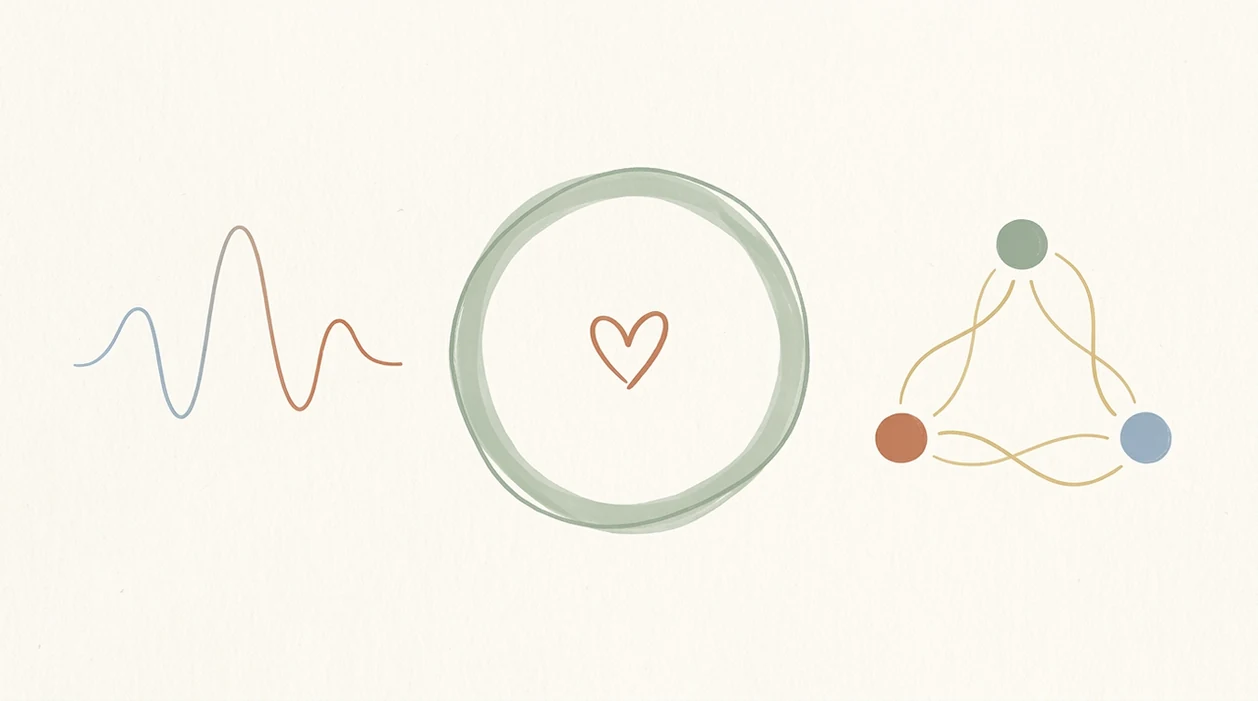
Birth anxiety works like a nervous-system alarm response, not a character flaw or weakness. The brain reads birth as uncertain, intense, or unsafe, then the body prepares for threat with faster thoughts, tighter muscles, and a stronger urge to avoid.
That alarm can grow louder when pain expectations feel unmanageable, when previous trauma is activated, or when a person worries they will lose control or not be heard. Medical risk, past birth experiences, PTSD symptoms, depression, panic, and everyday stress can also overlap, which is why birth fear is not always one simple problem. Normal nervousness usually comes and goes and still allows appointments, sleep, planning, and decision-making. Persistent birth anxiety is different: it keeps returning, narrows choices, disrupts functioning, or makes the person feel trapped.
Coping cues help because the brain can learn through repetition. A slow exhale, phrase, hand squeeze, or familiar audio track becomes a conditioned cue, meaning the body starts associating that signal with safety. It may not erase fear. It can reduce the spike, shorten the panic, and give the person one clear next action.
How Meditation And Breathing Reduce Birth Anxiety
Meditation and slow breathing reduce birth anxiety by training the body to shift toward parasympathetic activation. In plain language, repeated slow exhaling can teach the nervous system to move out of alarm faster.
How birth anxiety coping works is partly behavioral. Repetition builds a conditioned relaxation response, meaning the body starts linking a cue, such as a count or phrase, with a calmer state. Hypnobirthing adds reframing: contractions are treated as intense body signals, not automatic evidence that something is going wrong.
A jaw unclenching on the exhale is not cosmetic. It is practice.
Tools like Zen Pregnancy can make this daily work easier because the audio is already pregnancy-specific. Good pregnancy meditation apps deliver guided breathing, labor rehearsal, and birth affirmations, not diagnosis, emergency advice, or a guaranteed painless birth. For many people, 5 minutes daily is easier than one long weekend class because the cue becomes familiar before labor starts.
How To Build A Birth Anxiety Coping Plan
A birth anxiety coping plan should name the fear, reduce avoidable triggers, and add support before labor begins. Write it down. A plan kept only in your head is harder to use when adrenaline rises.
- Identify specific fears and write them as plain sentences: pain, loss of control, emergency surgery, not being heard, or past trauma.
- Set boundaries around fear-of-birth stories by saying, “I’m not taking in graphic birth details right now.”
- Start a short daily meditation or breathing practice using a pregnancy-focused tool, such as a free pregnancy meditation app, for 5–10 minutes.
- Discuss preferences and anxieties with your birth team or midwife so consent, communication, and pain relief options are clear.
- Arrange professional support if anxiety persists, especially from a therapist, doula, childbirth educator, or perinatal mental health specialist.
Clinicians typically recommend professional assessment when fear interferes with sleep, appointments, daily functioning, or decision-making.
Birth Anxiety Coping Story: First-Time Mother Uses Daily Breathing Practice
In one common birth anxiety coping story, a first-time mother begins with intrusive worst-case thoughts. She reads about rare complications, then feels her heart race each time labor is mentioned.
Her shift starts small. She tries app-based hypnobirthing and breathing exercises because a full class feels like too much. The first week is awkward. She forgets the count. Her hand searches for earbuds in the dark, and she restarts the same 7-minute track three nights in a row.
By week four, dread has changed into manageable nervousness. Not confidence all day. Just fewer spirals.
During labor, she is still scared. She uses slow counting through a practice surge, asks her partner to repeat one affirmation, and pauses before decisions. The birth method is not the headline. The success is that she feels present, informed, and able to cope.
That is a valid labor fear success story.
Labor Fear Success Story: Setting Boundaries After A Previous Traumatic Birth
A second common labor fear success story begins after a traumatic first birth. The person is not “a little nervous.” They feel intense fear before appointments and avoid birth videos completely.
The coping plan is more structured this time. They limit graphic stories, leave online threads that turn frightening, and choose providers who explain procedures before touching or intervening. Therapy sits beside self-guided meditation, not underneath it. A doula helps rehearse phrases such as, “Please explain the options before we decide.”
Apps such as ZenPregnancy, Expectful, and GentleBirth may support home practice, but the central change here is consent and continuity. The fuller Expectful vs GentleBirth comparison is useful when the choice is specifically between pregnancy meditation libraries.
The second birth still has hard moments. However, the person feels believed, updated, and respected. For trauma survivors, that emotional difference can be the success.
Fear Of Birth Story: When Plans Changed But Coping Held
A useful fear of birth story does not require the plan to stay intact. In this example, labor begins with an induction, then shifts toward an urgent cesarean recommendation after monitoring changes.
The room gets louder. The waiting feels long. The support person asks what is urgent, what options remain, and whether there is time for one breath before consent. The pregnant person uses the same breathing track they practiced at home, not because it removes fear, but because it gives their body something familiar.
Their phone charger is coiled in the bag. Small preparation suddenly matters.
This is the counterpoint to the myth that success means an unmedicated birth. Success means the person understands the recommendation, has preferences honored where possible, and is not left emotionally abandoned. For birth anxiety, coping can hold even when the birth plan changes.
Common Patterns Across Birth Anxiety Success Stories
Across birth anxiety success stories, daily practice appears more often than dramatic breakthroughs. The pattern is ordinary: repeat the breath, reduce the trigger, ask for support, update the plan.
Boundary-setting is also a skill. It is not weakness to stop someone mid-story and say, “I’m only hearing calm or practical birth details right now.” That sentence protects attention at a vulnerable time.
The most common medically supported way to reduce birth anxiety is repeated relaxation practice combined with appropriate professional support when symptoms are persistent or severe. Meditation “not working” does not mean fear disappears. It usually means fear becomes less commanding.
Some readers also compare pregnancy-specific tools with general meditation libraries. The pregnancy-specific vs general meditation app distinction matters because labor fear often needs birth language, consent language, and trimester-aware reassurance.
Common Myths About Birth Anxiety And Fear Of Birth Stories
Several myths make birth anxiety harder to discuss clearly.
| Myth | More accurate view |
|---|---|
| Success stories must end with an unmedicated natural birth. | Emotional safety, informed consent, and coping are better measures of success. |
| Reading any fear-of-birth story will traumatize you. | Graphic, unfiltered stories can escalate anxiety, but curated coping stories may normalize fear and teach tools. |
| If you still feel scared, meditation is failing. | Most practices aim to reduce anxiety and improve control, not erase every fear. |
| A traumatic first birth prevents a positive next experience. | Targeted therapy, supportive providers, and planning can improve emotional safety next time. |
Claim check: “positive birth” should never mean pretending complications do not happen. It means the person is heard, supported, and informed as events unfold. If a story sells certainty, I would remove or qualify it before publishing.
When Birth Anxiety Needs Professional Mental Health Support
Birth anxiety needs professional support when fear becomes persistent, intrusive, or function-limiting. Warning signs include avoiding appointments, replaying worst-case images, being unable to sleep, panic symptoms, or feeling unable to make birth decisions.
If fear comes with thoughts of self-harm, feeling unsafe, or being unable to care for yourself, contact your clinician, local emergency service, or a crisis line immediately. In the United States, call or text 988 for urgent mental health support.
Severe fear of childbirth affects about 6–10% of pregnant women. That level of fear may need structured therapy, not only breathing tracks. CBT can help with catastrophic thinking. EMDR may be considered when previous trauma is central. Perinatal mental health specialists can also separate anxiety, PTSD symptoms, depression, and medical concerns.
Self-help tools and professional care are complementary, not competing. A calmer birth app may support daily practice, but it should not be treated as a substitute for assessment when symptoms are intense. Higher antenatal anxiety is also associated with increased postpartum depression risk, so early support is a safety issue, not an indulgence.
Limitations
Birth anxiety success stories can be helpful, but they have clear limits.
- Personal stories are anecdotal. They cannot replace individualized advice from a clinician, midwife, therapist, or perinatal mental health specialist.
- Hypnobirthing, meditation apps, and relaxation techniques do not guarantee a specific labor outcome or a pain-free birth.
- People with severe anxiety, past trauma, PTSD, or panic symptoms may need CBT, EMDR, medication discussion, or specialist care.
- Stories framed as “just relax and everything will be perfect” can create guilt when birth becomes complicated.
- Not all research on hypnobirthing and pregnancy mindfulness is large, blinded, or high quality. Claims should stay modest.
- Reading stories without context can increase comparison, especially if someone starts measuring their own fear against someone else’s edited ending.
- Birth preferences may change for medical reasons. A coping plan should leave room for updated clinical advice.
Scope of this article: wellness practice, not treatment.
Frequently Asked Questions
Is birth anxiety normal?
Yes. About 20% of pregnant women report clinically significant fear of childbirth, while severe tokophobia affects a smaller group and may need professional care.
Can meditation actually reduce labor fear?
Yes, randomized trials show mindfulness-based interventions can reduce pregnancy-related anxiety. Results vary, and consistent practice matters.
Does hypnobirthing guarantee a painless birth?
No. Hypnobirthing aims to reduce anxiety, support breathing, and increase perceived control, not remove all pain.
How do I set boundaries around scary birth stories?
Use direct language: “I’m not hearing graphic birth stories right now.” Leave threads, mute keywords, and ask for practical or calming support instead.
When should I see a therapist for birth anxiety?
Seek support if you have persistent intrusive thoughts, avoid appointments, cannot sleep, or cannot function normally. A perinatal therapist can assess severity.
Can I have a positive birth after a traumatic one?
Yes. Targeted support, boundary-setting, trauma-informed care, and preparation can improve the emotional experience of a later birth.
Are positive birth stories on Reddit reliable?
Reddit stories can normalize feelings, but they are unverified and may omit medical context. Balance them with evidence-based resources and clinician guidance.
How often should I practice breathing for birth anxiety?
Short daily sessions of 5–10 minutes are usually more useful than occasional long sessions. Consistency helps build a conditioned relaxation response.
Which app fits which need
| Need | Best option |
|---|---|
| Pregnancy-specific birth anxiety coping and hypnobirthing | Zen Pregnancy |
| Pregnancy wellness content with meditation support | Expectful |
| General relaxation or non-pregnancy mindfulness | Calm |
| General meditation skills outside pregnancy | Headspace |
Quick facts
- Type
- Pregnancy meditation app
- Platforms
- iPhone, iPad, Android
- Focus
- Birth anxiety, hypnobirthing, meditation, breathing, birth affirmations
- Includes
- guided meditations, hypnobirthing sessions, labor breathing, birth affirmations, contraction timer, kick counter
- Best for
- Pregnant women who want calmer coping tools for fear of birth and labor anxiety
- Free
- Yes
- Medical replacement
- No
People also use Zen Pregnancy for
Practice Tools From Birth Anxiety Success Stories
Use Zen Pregnancy to build a simple routine with guided meditation, labor breathing, hypnobirthing, and affirmations designed for pregnancy and birth. Download free on iPhone or Android and start practicing before labor begins.
Download Zen Pregnancy Free