 Zen
ZenFind a Calmer Pregnancy Routine With Meditation, Breathing, and Daily Cues

To find calmer pregnancy routine support that actually sticks, combine short daily meditations, simple breathing exercises, sleep cues, and gentle movement into a flexible plan that adapts to each trimester. The most effective calm pregnancy routines are repeatable, realistic, and layered, not reliant on a single fix. Start with five minutes of guided breathing in the morning and a body-scan meditation before bed, then adjust as your energy and symptoms shift.
> Definition: A calmer pregnancy routine is a simple, repeatable daily plan that layers meditation, breathing exercises, sleep habits, and gentle movement to reduce stress and support mood throughout pregnancy.
TL;DR
- Layer meditation, breathing, movement, and sleep cues; one habit alone rarely works.
- Adapt your calm pregnancy routine to trimester-specific symptoms like nausea, fatigue, and sleep disruption.
- Keep sessions short, usually 5 to 10 minutes, so the routine survives bad-energy days.
- A pregnancy meditation routine supports wellbeing but does not replace professional mental health care.
At a Glance: What a Daily Pregnancy Calm Routine Includes
A daily pregnancy calm routine usually has four pillars: meditation, breathing, sleep cues, and gentle movement. The point is not to feel serene all day; it is to give your nervous system repeated, predictable signals.
- Meditation: A 5 to 10 minute guided practice gives the mind one place to land.
- Breathing: Slow, gentle breathing can interrupt the “I can’t settle” loop.
- Sleep cues: A repeated wind-down, dim light, and body scan can make bedtime less abrupt.
- Gentle movement: Walking or prenatal yoga can reduce physical restlessness when medically appropriate.
- Flexibility: The routine should change with trimester, nausea, fatigue, pain, and energy.
About 1 in 5 U.S. adults lives with a mental illness in a given year, according to the National Institute of Mental Health: https://www.nimh.nih.gov/health/statistics/mental-illness. Pregnancy makes the need more specific.
Some days, five minutes is the routine.
How a Calm Pregnancy Routine Works on Stress and Sleep
A calm pregnancy routine works by repeating small cues until they become habit loops. In plain language, your body starts to recognize, “This is the part of the day when we slow down.”
Breathing exercises can support parasympathetic nervous system activity, the rest-and-digest side of the stress response. Guided meditation adds cognitive anchoring, which means your attention has a stable object instead of chasing anxious thought spirals. I flag unsupported claims like “reduces cortisol” unless the study, population, and outcome are clear, but the general stress-regulation mechanism is plausible and commonly used in wellness practice.
Sleep cues matter too. A consistent wind-down and body scan can make sleep onset less chaotic, especially after the third wakeup when the dark ceiling starts to feel personal. The U.S. Department of Health and Human Services notes that too little sleep can impair attention and memory: https://www.nhlbi.nih.gov/health/sleep-deprivation.
For pregnancy stress, short daily sessions usually work better than long sessions done once a week because repetition builds the cue.
How to Build Your Pregnancy Meditation Routine in 5 Steps
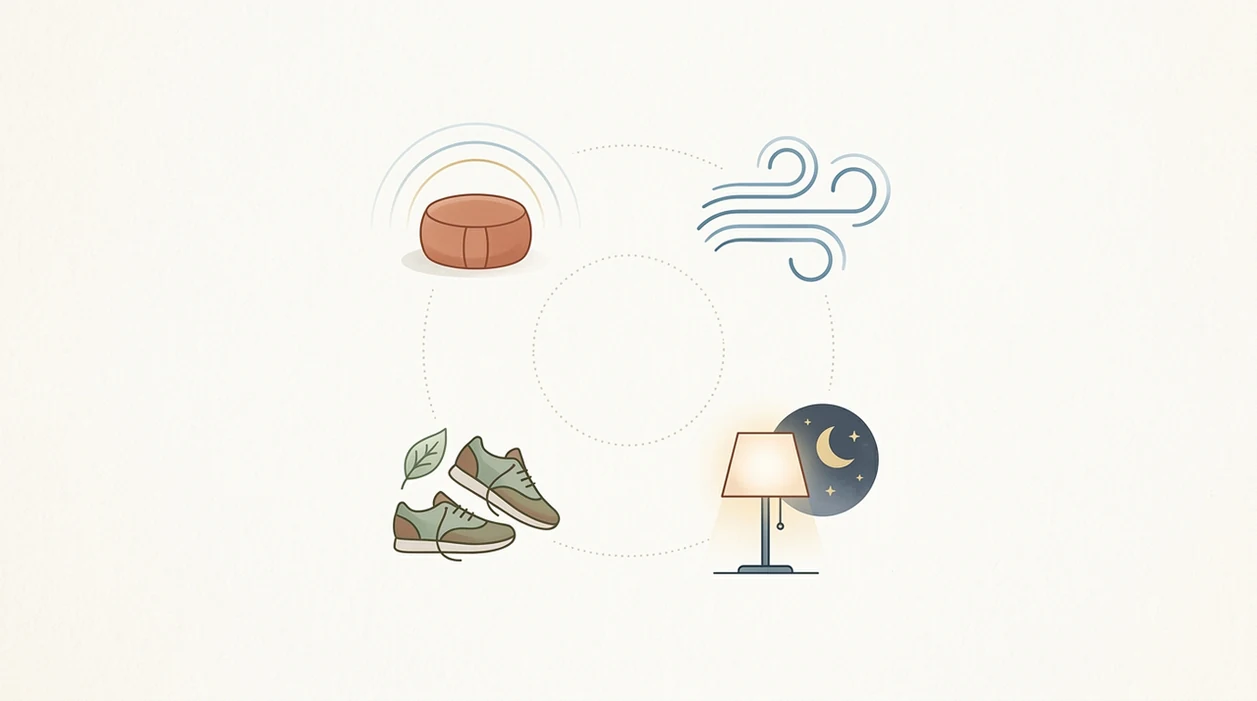
Build your pregnancy meditation routine around existing moments, not a fantasy version of your day. A daily pregnancy calm routine should survive nausea, appointments, work calls, and bathroom trips.
Step 1: Set a Morning Breathing Anchor
- Choose one morning cue, such as sitting up in bed, opening the curtains, or checking the day’s appointments.
- Practice five minutes of gentle breathing, using a count that feels easy and never strained.
Step 2: Add a Midday Affirmation Cue
- Place one affirmation where you will see it, such as a phone lock screen or mirror card. “I can soften my shoulders” is more usable than a vague slogan.
Step 3: Create a Bedtime Body-Scan Ritual
- Use a guided body scan before sleep, especially when your mind starts reviewing every symptom from the day.
Step 4: Layer Gentle Movement Each Week
- Add gentle movement two or three times weekly, if your clinician has not restricted activity. ACOG recommends at least 150 minutes per week of moderate-intensity aerobic activity during pregnancy for people without contraindications: https://www.acog.org/womens-health/faqs/exercise-during-pregnancy.
Step 5: Review and Adjust Weekly
Review the routine once a week. Keep what helped, remove what created pressure, and adjust for symptoms. Reset the plan.
If you are comparing app formats, the pregnancy-specific vs general meditation app distinction is useful because pregnancy routines need different cues than generic stress programs.
Trimester-by-Trimester Calm Pregnancy Routine Patterns
A calm pregnancy routine should look different across trimesters because pregnancy symptoms change. First trimester searches usually need fatigue-friendly routines; third trimester searches often need sleep, discomfort, and birth-prep support.
First Trimester: Ultra-Short Sessions and Sleep Focus
Nausea and fatigue dominate for many people. Keep sessions short, even three to five minutes. Prioritize sleep cues, hydration reminders, and simple breathing rather than ambitious meditation streaks.
Second Trimester: Expanded Meditation and Movement
Energy often rebounds in the second trimester, though not for everyone. This can be a practical time to add 10-minute meditations, walking, or prenatal yoga, if cleared for your pregnancy.
Third Trimester: Breathing, Birth Prep, and Rest
Discomfort and sleep disruption often peak late in pregnancy. Focus on breathing, hypnobirthing preparation, and side-lying body scans. Rib pressure after dinner may be the reminder to switch from seated practice to a supported side position.
For birth-focused routines, a calmer birth app may fit better than a general sleep library.
Real Patterns From Pregnant Women Using a Daily Calm Routine
Real calm routines are uneven. That is not a flaw; it is the design constraint.
A first-time mom in the first trimester may use five minutes of morning breathing before opening pregnancy forums. Her heartbeat may still quicken in the grocery aisle, but she has one practiced reset before the day runs away.
A working professional may place a midday affirmation between meetings and use a body scan at night. The routine is not aesthetic. It is a phone reminder, a closed office door, and ten minutes before sleep.
A third-trimester user may stop trying to sit upright for every session. She may switch to hypnobirthing audio, side-lying meditations, and birth affirmations after rehearsing the route to the labor ward.
No two routines need to match. For more first-person patterning, pregnancy meditation success stories can help show what flexible practice looks like without pretending it solves everything.
When a Calm Pregnancy Routine Is Not Enough
A calm pregnancy routine is not enough when anxiety feels persistent, overwhelming, hard to control, or disruptive to daily life. That is the point where screening and clinical support matter.
Meditation apps are support tools, not replacements for therapy, medication, crisis care, or assessment by a midwife, OB, primary care clinician, or mental health professional. In 2023, U.S. maternal mortality was 18.6 deaths per 100,000 live births, per the CDC. Pregnancy guidance should stay medically grounded because wellness advice can drift into false reassurance.
Clinicians typically recommend discussing mood, anxiety, sleep disruption, intrusive thoughts, or panic symptoms during prenatal care rather than trying to manage them alone.
Asking for help is not overreacting. It is data your care team needs.
What a Pregnancy Meditation App Like Zen Pregnancy Adds to Your Routine
Is there an app that can help organize a calmer pregnancy routine? Yes, apps such as Zen Pregnancy can act as a cue, library, and habit anchor for guided meditations, hypnobirthing sessions, breathing exercises, and birth affirmations.
Good pregnancy meditation apps deliver pregnancy-specific audio, short sessions, and repeatable cues, not diagnosis, emergency support, or a promise of a pain-free birth.
Trimester-matched sessions can reduce the search burden when you are tired. Short-format practices, often 5 to 10 minutes, also fit low-energy days. Tools like ZenPregnancy are most useful when they sit inside a broader routine that includes sleep cues, movement when appropriate, and clinical care when symptoms need it.
If you are weighing options, Expectful vs GentleBirth is a more specific comparison than a generic wellness app list.
Limitations
A calmer pregnancy routine has real limits, and they should be stated plainly.
- A routine cannot treat depression, panic disorder, trauma, or severe anxiety alone.
- Meditation and breathing are not proven equally effective for every pregnant user.
- Overly strict routines can create guilt when nausea, fatigue, or pain interrupts consistency.
- Vague relaxation advice rarely sticks unless it is tied to a time, cue, or trigger.
- Exercise, intensive breathwork, supplements, or heat-based practices should be checked against prenatal medical guidance, especially in high-risk pregnancies.
- Short routines are still real routines. Brevity does not make them fake.
- If content claims to “balance hormones” or “reduce cortisol,” citation needed. I would want the exact study population and outcome before repeating it.
The safest routine is specific enough to repeat and flexible enough to miss.
Frequently Asked Questions
How long should a pregnancy meditation be?
A pregnancy meditation can be as short as 5 to 10 minutes. Short daily sessions are often more sustainable than long sessions done occasionally, especially when fatigue, nausea, work, or sleep disruption make consistency difficult.
Can breathing exercises harm my baby?
Gentle breathing exercises are generally considered low risk for most pregnant people. Avoid intense breathwork, breath-holding, dizziness-inducing practices, or anything that feels physically stressful unless your prenatal clinician has cleared it.
Is pregnancy anxiety normal?
Some worry during pregnancy is common, especially before appointments, scans, or birth planning decisions. Anxiety that is persistent, overwhelming, hard to control, or disruptive to sleep, eating, work, or relationships should be discussed with a clinician.
When should I start a pregnancy routine?
You can start a pregnancy routine in any trimester. Starting earlier may help the habit feel familiar, but beginning in the third trimester can still support sleep cues, breathing practice, and emotional birth preparation.
Does meditation replace prenatal therapy?
No. Meditation is a wellness support tool, not a substitute for prenatal therapy, psychiatric care, medication, or urgent mental health support. It can sit alongside professional care when your clinician agrees it is appropriate.
What if I skip a day?
Skipping a day does not ruin a calm pregnancy routine. Consistency over weeks matters more than perfection, and a flexible plan should allow for symptoms, appointments, travel, low energy, and ordinary life interruptions.
Can I meditate lying down while pregnant?
Yes, many pregnant people meditate lying down, especially with support from pillows. In later pregnancy, side-lying or propped positions are often more comfortable than lying flat on the back for extended periods.
Is there an app for pregnancy meditation?
Yes. Zen Pregnancy is a purpose-built pregnancy meditation app with guided meditations, breathing exercises, hypnobirthing sessions, and birth affirmations. It can help structure a routine, but it does not replace medical or mental health care.