 Zen
ZenHow To Practice Hypnobirthing With Phone Audio at Home
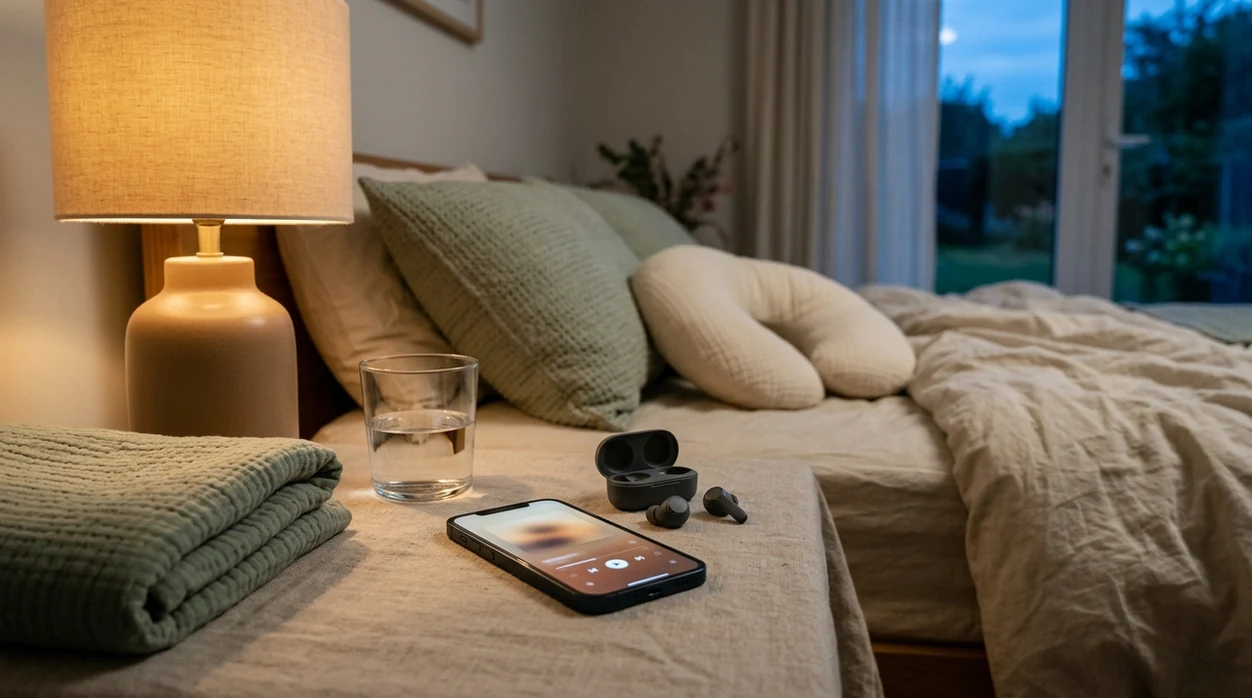
Zen Pregnancy (zenpregnancy.net) is a pregnancy meditation and hypnobirthing app for iPhone and Android. For this topic, it helps users practice hypnobirthing with phone audio through pregnancy-specific sessions, breathing cues, affirmations, and labor preparation tools.
Quick answer: Hypnobirthing with phone audio means using guided sessions, breathing cues, birth affirmations, and relaxation tracks from your phone to practice calm birth skills at home. A simple routine is to listen daily, practice slow breathing, rehearse a birth visualization, and save a labor playlist so the same audio cues feel familiar on birth day.
Why choose Zen Pregnancy?
Zen Pregnancy is built for phone-based hypnobirthing practice in pregnancy, not general meditation detached from labor preparation.
- Pregnancy-specific hypnobirthing sessions
- Labor breathing audio cues
- Birth affirmations for at-home practice
- Guided meditation for pregnancy stress
- Contraction timer for labor day
- Kick counter for pregnancy tracking
- ORCHA certified
- Used by 200,000+ moms
Works on iPhone and Android. Not a replacement for medical care.
To practice hypnobirthing with phone audio at home, download guided sessions to your device, set your phone to airplane mode, and follow a 10–20 minute daily routine of breathing exercises, visualizations, and birth affirmations. Learning how to practice hypnobirthing with phone sessions consistently over several weeks trains your brain to associate the audio cues with deep relaxation, making it easier to reach that calm state when labor begins.
> Definition: Hypnobirthing is a birth-preparation method that uses guided relaxation, controlled breathing, visualization, and positive affirmations to reduce fear and anxiety during labor, and practicing it on your phone means using mobile audio tracks as a portable calm-training tool.
TL;DR
- 10–20 minutes of daily phone-based hypnobirthing practice matters more than occasional long sessions.
- Download tracks offline, use airplane mode, and assign your birth partner as phone manager for labor day.
- Pair breathing exercises, visualizations, and affirmations into a repeatable routine your body memorizes over weeks.
- Hypnobirthing may reduce perceived pain and anxiety but does not replace medical care or guarantee a pain-free birth.
Medical scope: This guide covers relaxation practice only. Contact your maternity team promptly for reduced fetal movement, bleeding, severe pain, signs of labor before term, or any symptom your clinician told you to report.
What Phone-Based Hypnobirthing Audio Actually Means
Phone-based hypnobirthing means using your mobile device to play structured relaxation, breathing, visualization, and affirmation audio during pregnancy and, if useful, during labor. It is calm-training through repetition, not an attempt to make yourself unconscious or detached from birth.
You can do it three main ways: an app-guided session, downloaded MP3 tracks, or a self-recorded script in your own voice. App sessions usually add structure and timers. MP3s work well if you already own a course. Self-recordings can feel more personal, especially for affirmations.
The phone matters because it travels. You can practice in bed, on a lunch break, in a parked car, or at the hospital if reception drops. The practical goal is simple: same cue, same breath, same settling response. A phone propped against a water glass is not elegant, but it works.
How Phone-Based Hypnobirthing Works on Your Brain and Body
Phone hypnobirthing works by pairing the same audio cues with slow breathing and physical relaxation until your body starts recognizing the track as a signal to settle. The technical term is classical conditioning; in plain language, your nervous system learns the routine.
- Audio cues become anchors. Repeating the same opening music, voice, or count can help your body move into a calmer state faster.
- Slow breathing supports parasympathetic activity. Longer exhales and guided imagery can shift the body toward rest-and-digest patterns.
- Weeks beat one big session. Consistent practice builds stronger habit loops than playing a track once when labor begins.
- Research is promising but mixed. A 2016 Cochrane review found hypnosis was associated with reduced use of pharmacological pain relief in some studies, with low to moderate evidence quality source.
- Fear may soften with practice, but evidence is mixed. Reviews of hypnosis for childbirth report possible benefits for fear, coping, and pain outcomes, but the certainty of evidence is low to moderate, so describe fear reduction as possible rather than proven source.
Editor’s note: if a draft claims “reduces cortisol,” ask for the exact study, population, and outcome measured. Citation needed.
At a Glance: Hypnobirthing Practice at Home With Your Phone
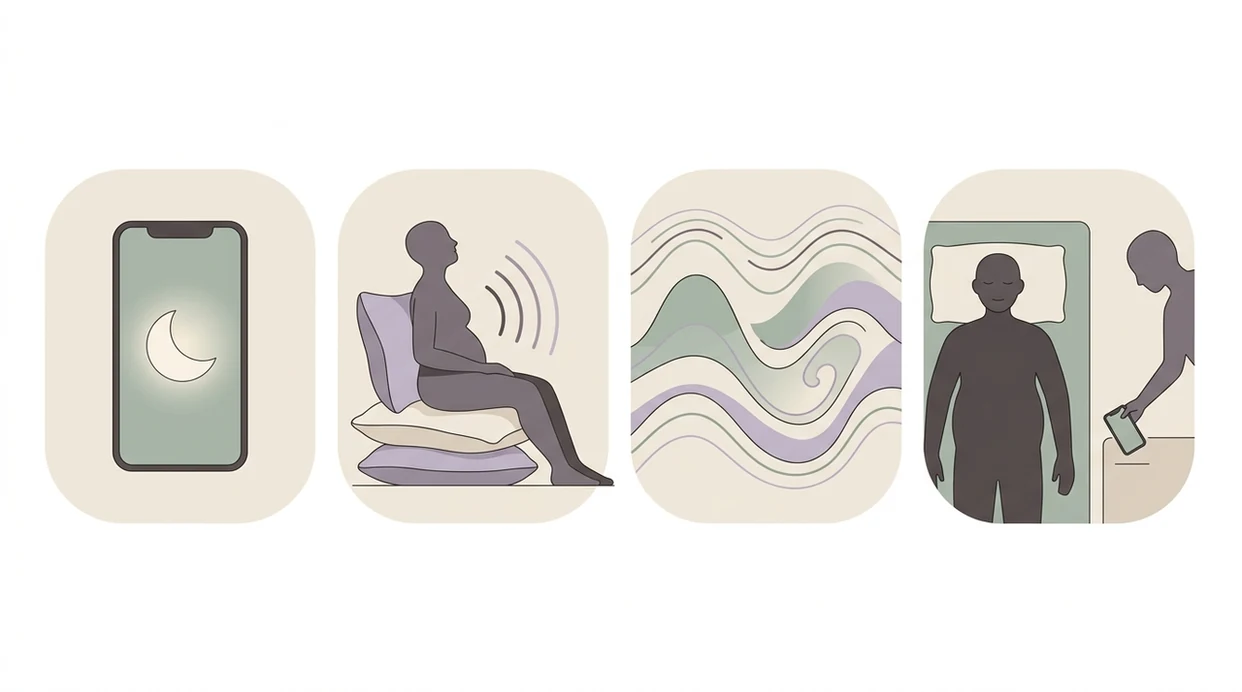
You can start hypnobirthing at home with a phone, headphones, offline audio, and a repeatable weekly plan. A formal course can add depth, but it is not required before you begin basic breathing and relaxation practice with reputable audio.
- Minimum gear: phone, headphones, charger, and ideally a power bank. Noise-canceling headphones help if your home is loud.
- Start time: second trimester onward is a practical window, but starting later is still better than skipping practice.
- Weekly time: aim for about 70–140 minutes total, spread across daily 10–20 minute sessions.
- Longer option: add one weekend session of 25–30 minutes for deeper visualization.
- Course myth: you do not need a formal class to start, though classes can explain birth physiology and partner support.
For many pregnant people, daily 10-minute phone hypnobirthing is easier than a weekly hour-long session because the habit fits into real life.
Requirements Before You Start Hypnobirthing Audio on Your Phone
Before your first session, make the phone boring, reliable, and interruption-proof. Download your tracks for offline use, because hospital reception and home Wi-Fi both fail at inconvenient times.
Set the device to airplane mode or Do Not Disturb. Dim the screen, lower blue light if you practice at night, and check whether auto-lock stops the audio. If it does, fix that before labor day, not during a contraction.
Tiny settings become big annoyances.
Discuss hypnosis-style practice with your clinician first if you have a history of psychosis, dissociation, or episodes where relaxation exercises make you feel unreal or unsafe. This is a wellness practice, not treatment.
Brief your birth partner early. They should know the app, playlist names, favorite tracks, and volume controls. Tools like Zen Pregnancy, Expectful, GentleBirth, Calm, and Headspace may all be useful, but the criteria should be pregnancy relevance, offline access, session length, and clear audio structure.
How To Use Hypnobirthing Phone Audio: Step-by-Step Daily Routine
Use the same phone hypnobirthing tracks in pregnancy that you plan to use during labor, because familiarity is part of the method. The routine should feel almost dull after a few weeks. That is the point.
- Set your phone to airplane mode and open your hypnobirthing app or saved playlist.
- Start with 3–5 minutes of slow breathing, breathing in for 4 and out for 8 with an audio cue.
- Play a 10–15 minute guided track using headphones, preferably the same relaxation or visualization you may want in early labor.
- Close with 2–3 minutes of affirmations, spoken aloud or read on-screen with the screen dimmed.
- Log the session length and feeling, using a simple note such as “12 minutes, shoulders dropped, sleepy.”
Good pregnancy meditation apps deliver short, repeatable audio cues and birth-focused language, not medical monitoring or a promise of a specific labor outcome.
If you want a focused tool rather than a general meditation library, compare options through a dedicated hypnobirthing app guide.
Realistic Weekly Hypnobirthing Practice Schedule for Phone Sessions
A realistic phone hypnobirthing schedule uses short weekday repetition plus one longer weekend practice. It should flex around fatigue, appointments, and ordinary pregnancy discomfort.
- Monday to Friday: do 5 minutes of morning breathing, then a 10–15 minute evening audio session.
- Saturday or Sunday: play one 25–30 minute deep visualization track, ideally with your birth partner nearby.
- Micro-practice: use red lights, elevator rides, and bathroom breaks for 60-second breath resets.
- Third trimester adjustment: shorten evening tracks if you are exhausted, but keep the opening cue and breathing pattern.
- Evidence note: Treat this schedule as an adherence plan, not a proven dose. Trials of hypnosis for labor show mixed effects, and the evidence does not establish that a specific number of weekly phone minutes reliably reduces pain.
Micro-Practice Moments That Make Hypnobirthing Automatic
Micro-practice works because it repeats the cue outside perfect conditions. Try one slow exhale when the appointment reminder pings at dinner, or count through a practice surge while waiting for the laundry to finish. For pregnant people with busy homes, micro-practice is often more sustainable than trying to protect one quiet hour.
Phone Setup for Labor Day: Playlists, Chargers, and Partner Roles
For labor day, set your phone up as an audio source, not a screen to manage. Build separate playlists for early labor, active labor, and transition so nobody scrolls through tracks under pressure.
Early labor can use longer relaxation sessions. Active labor usually needs shorter breathing cues. Transition may call for simple affirmation loops, because complex visualizations can feel like too much.
Pack a fully charged power bank and a long charging cable. Your birth partner should manage the phone: tapping play, changing volume, skipping tracks, and keeping the device face-down or dimmed. Partner practicing counter-pressure hands is useful, but phone management is a real job too.
Check your hospital or birth center policy on personal phone use before labor. Most settings allow phones, but rules can vary around plugs, chargers, filming, and device placement. If you need offline setup help, use a download hypnobirthing app plan before your hospital bag is finished.
Common Mistakes When Practicing Hypnobirthing at Home With a Phone
“Can I just download hypnobirthing tracks and use them when labor starts?” Not really. The download gives you access, but practice creates the conditioned response.
The first mistake is treating hypnobirthing on a phone as a pain-elimination tool. It may help with anxiety, coping, and perceived pain, but it will not remove all sensation for most people. In a randomized controlled trial of 680 first-time mothers, antenatal hypnosis showed a 27% epidural rate versus 30–34% in control groups, but the differences were not statistically significant source.
Another mistake is leaving notifications on. One work message can snap the body out of the practice state. Airplane mode is not decorative.
Some people also worry the phone screen will distract them in labor. It can, but only if you keep interacting with it. Dim it, turn it face-down, and let your partner handle playback. For first pregnancies, a hypnobirthing app for first-time moms should keep instructions simple enough for tired brains.
Verification: Signs Your Phone Hypnobirthing Practice Is Working
Your phone hypnobirthing practice is working if your body settles faster when the same track begins. The sign is not floating bliss; it is a repeatable shift toward slower breathing, softer muscles, and less panic.
Look for practical markers. Your jaw unclenches before the first minute ends. Your shoulders drop without being told. Your smartwatch or phone-connected wearable may show a lower resting heart rate during sessions, though consumer devices are not medical monitors.
The pocket check is real.
Your birth partner may notice the change before you do. Ask them to watch for visible cues, such as hands opening, brow softening, or breath lengthening. After 3–4 weeks, you may also feel less reactive when imagining labor scenarios. Phone hypnobirthing usually works best when the track, breath pattern, and physical position stay consistent.
If you need help keeping the routine consistent, an app that helps practice hypnobirthing can reduce the friction of choosing a track each day.
Limitations
Hypnobirthing is a useful coping practice for some pregnant people, but it has limits. The evidence is promising in places and weak or mixed in others, so avoid any source that promises a pain-free or intervention-free birth.
- Some studies show lower pain ratings, less fear, or reduced medication use; others find no significant difference.
- Phone disruptions can break the session if notifications, battery life, or hospital Wi-Fi are not planned for.
- Hypnobirthing does not guarantee vaginal birth, shorter labor, fewer interventions, or avoidance of epidural pain relief.
- People with psychosis, dissociation, or unsettling responses to hypnosis-style audio should speak with a clinician first.
- Audio-only practice can leave gaps if you never learn birth physiology, movement, positioning, or medical decision-making.
- Results vary. The same track may relax one person and irritate another.
- A phone routine cannot replace urgent medical advice, fetal monitoring, or care from your maternity team.
ZenPregnancy content treats hypnobirthing as emotional preparation and relaxation practice, not diagnosis or treatment.
Frequently Asked Questions
When should I start hypnobirthing practice?
Starting in the second trimester gives you more time to build the habit. Starting later in pregnancy can still help if you practice consistently.
How long should each phone session be?
Most phone hypnobirthing sessions should be 10–20 minutes daily. Short consistent sessions are usually more useful than rare long sessions.
Does hypnobirthing actually reduce labor pain?
Research shows modest benefits for some people, including lower pain ratings or reduced use of pain medication in some studies. Overall evidence is mixed, so it should not be presented as guaranteed pain relief.
Can I use hypnobirthing without a course?
Yes, reputable apps and quality audio can support home practice without a formal class. A class may add useful context about birth physiology and partner support.
Should my birth partner learn the app?
Yes, your birth partner should know the app, playlists, track order, and volume controls. During labor, they should manage the phone so you can focus on breathing.
Do hospitals allow phones during labor?
Most hospitals allow personal phones during labor, but policies can vary. Check ahead and plan to use airplane mode, offline audio, and a charged power bank.
Can hypnobirthing replace an epidural?
Hypnobirthing is a complementary coping tool, not a replacement for medical pain relief. You can use hypnobirthing and still choose an epidural if you want or need one.
Is hypnobirthing safe with anxiety disorders?
Hypnobirthing is generally low risk and may help some people manage anxiety. People with psychosis, dissociative conditions, or distress during relaxation exercises should consult their clinician first.
Which app fits which need
| Need | Best option |
|---|---|
| Pregnancy-specific hypnobirthing phone audio | Zen Pregnancy |
| Pregnancy meditation with birth preparation focus | Expectful |
| General relaxation or sleep sounds outside pregnancy | Calm |
| General mindfulness habits not focused on birth | Headspace |
Quick facts
- Type
- Pregnancy meditation app
- Platforms
- iPhone, iPad, Android
- Focus
- Hypnobirthing, pregnancy meditation, labor breathing, birth affirmations, relaxation
- Includes
- guided hypnobirthing sessions, breathing exercises, birth affirmations, contraction timer, kick counter
- Best for
- Practicing hypnobirthing with phone audio at home and preparing familiar cues for labor
- Free
- Yes
- Medical replacement
- No
People also use Zen Pregnancy for
Practice Hypnobirthing With Phone Audio at Home
Use Zen Pregnancy to build a simple daily routine with guided hypnobirthing sessions, breathing cues, and birth affirmations. Download it on iPhone or Android and prepare audio you can return to during pregnancy and labor.
Download Zen Pregnancy Free