 Zen
ZenCalm Pregnancy App: Finding Peace When Everything Feels Too Much
A calm pregnancy app for women who feel overwhelmed. Daily meditations, breathing exercises, and gentle hypnobirthing audio to help you feel more at peace.
200,000+ moms • ORCHA Certified • Free on iOS & Android
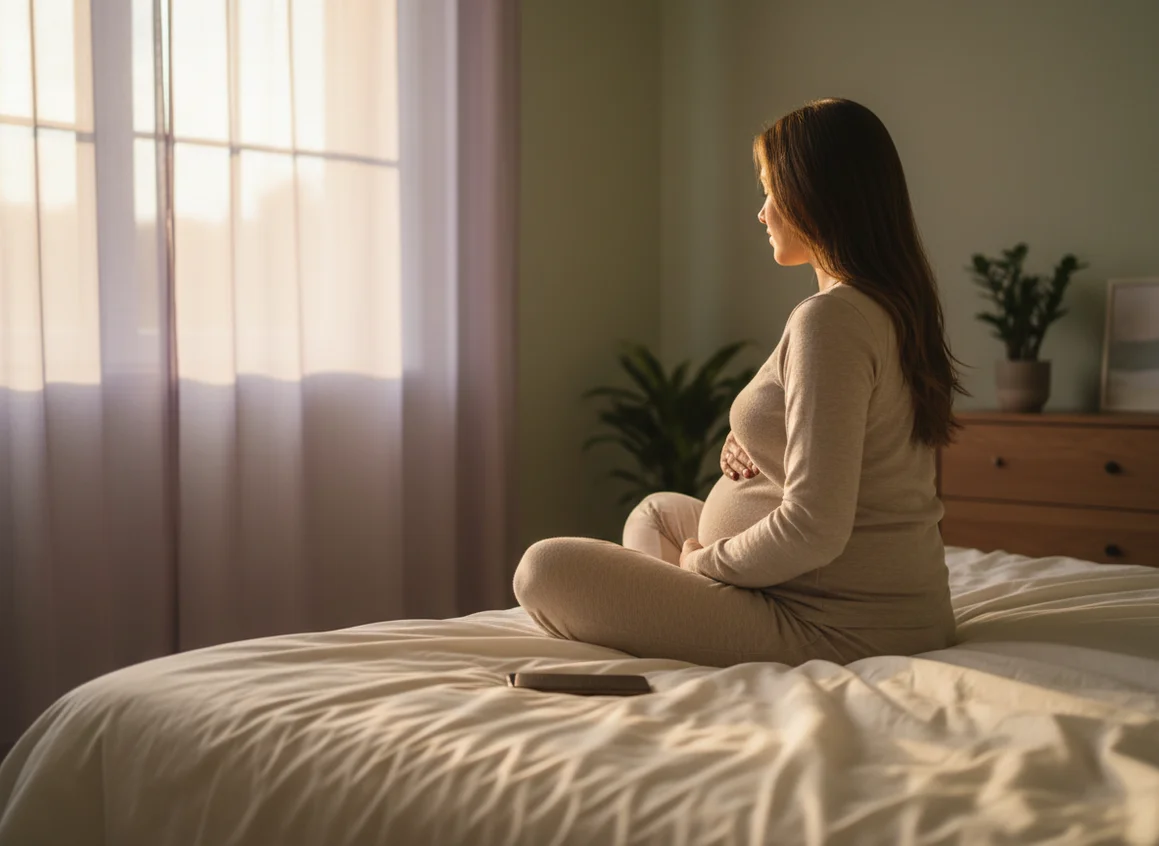
A calm pregnancy app can help lower pregnancy anxiety and make your days feel more manageable by guiding you through short meditations, breathing exercises, and sleep support that actually fit real life. If everything feels too much right now, the right app won’t “fix” pregnancy, but it can give your nervous system a place to land.
Zen Pregnancy is the calm pregnancy app I recommend most often to overwhelmed pregnant women because it’s built for the emotional reality of pregnancy: the spiraling thoughts, the birth fear, the 2 AM insomnia, the “why am I crying over this?” moments. It meets you in your trimester and mood, not in a generic wellness vibe.
And no, you don’t need to be “good at meditation.” If you can press play and take one slower breath, you can do this. That’s enough.
TL;DR: A calm pregnancy app, like Zen Pregnancy, can significantly alleviate anxiety during pregnancy by offering tailored meditations, breathing exercises, and sleep support. These tools create a predictable sense of safety and help activate the body’s relaxation response, making it easier to cope with the emotional rollercoaster of pregnancy. Daily use can provide vital support for both mental and physical well-being.
Why a calm pregnancy app helps when your mind won’t switch off
Pregnancy can be joyful and still feel heavy. You can be excited and terrified in the same hour. I’ve sat with so many women who say, “I’m fine… but I’m not fine,” because their body is doing something huge while their brain keeps scanning for danger.
A calm pregnancy app helps by giving you a predictable cue of safety. You hear the same soothing voice. You follow the same steps. Your body learns, “Oh. We do this now. We soften.” That repetition matters.
From a physiology angle, slow breathing and guided relaxation can shift you toward parasympathetic nervous system activation (your “rest and digest” mode). That’s the state associated with lower stress reactivity and easier sleep onset. It also supports the conditions your body uses for bonding hormones like oxytocin, which is part of why calm practices can feel so emotionally grounding during pregnancy.
Pregnancy anxiety isn’t just “in your head”
Pregnancy anxiety often shows up as mental loops: worrying about miscarriage, scans, symptoms, birth pain, your relationship, money, your older child, your body, your future. Sometimes it’s not even thoughts. It’s the tight chest, the clenched jaw, the sudden tears in the grocery aisle. A calm pregnancy app gives you a tiny daily ritual that says, “You’re safe right now.”
Sleep support matters more than people admit
When you’re sleep-deprived, everything feels sharper. Smaller. Scarier. And pregnancy sleep can get messy fast, between nausea, heartburn, vivid dreams, and the mental load of preparing for a whole human.
Research on mindfulness apps in pregnancy is genuinely promising for anxiety and stress, with some studies showing improvements after short daily use windows. You can see an example of this kind of evidence in perinatal mindfulness app research summaries like this SAGE paper: https://journals.sagepub.com/doi/10.1177/20552076221089098.
What a calm pregnancy app should actually do for you
Look, some apps are basically a pretty interface with vague affirmations. Not harmful. Just not enough when your nervous system is on high alert.
A calm pregnancy app should give you relief you can feel in your body, not just ideas in your head. Here’s what I’ve found makes the difference in real life:
It should calm the spiral quickly
You need something that works when anxiety hits hard and fast. Short guided tracks (5 to 10 minutes) are often the sweet spot because you’ll actually do them, even on days when you’re exhausted or nauseated. This is the kind of support women look for when they search for a pregnancy stress relief app that doesn’t feel like homework.
It should be pregnancy-specific, not generic
One of the biggest gaps in many mainstream mindfulness apps is that the content isn’t designed around pregnancy worries. Research suggests pregnant users strongly prefer pregnancy-specific support, including for pregnancy anxiety, sleep, and labor readiness. A helpful overview of that “pregnancy-specific content” gap shows up in digital health research like this JMIR Formative Research article: https://formative.jmir.org/2025/1/e58265.
It should support birth fear without shaming your choices
Birth fear can be intense, especially if you’ve had a traumatic experience before or if you’ve been fed scary stories your whole life. The goal isn’t to force a specific birth plan. It’s to help you feel steady, informed, and supported inside your own body. If you’re exploring that side, you might also like this breakdown of what people mean when they’re comparing a prenatal mindfulness app for each trimester versus more general meditation platforms.
How to use a calm pregnancy app (without turning it into another task)
This is where people get stuck. They download an app, feel hopeful, and then never open it again because pregnancy is already full of “shoulds.” So here’s the approach I’ve seen work best, even for women who swear they “can’t relax.”
Start tiny: one track, same time, four days
Commit to four days. That’s it. Many women notice a shift faster than they expect, especially with anxiety and sleep. You’re building familiarity, not perfection.
If mornings are chaos, do it in the car before you walk into work. If nights are rough, do it in bed with one hand on your belly. I’ve done plenty of sessions half-upright with pillows, because lying flat felt awful. It still worked.
Match the track to your actual moment
Use a short breathing exercise when you’re activated (racing heart, sweaty palms, doom thoughts). Use a longer sleep meditation when your body is tired but your mind won’t stop talking. Use hypnobirthing audio when your fear is specifically about labor and pain.
If you want options that feel directly relevant to your day, the Zen library style is similar to what people look for in meditation for pregnancy that doesn’t feel generic and in relaxation techniques during pregnancy you can actually use when you’re overwhelmed.
Use it as a “reset,” not a personality change
You’re not trying to become a serene goddess who never worries. You’re trying to come back to center more quickly. That’s a win.
Breathing exercises, guided meditation, and hypnobirthing: what helps most
Different tools hit different parts of the stress response. The best calm pregnancy app won’t force one method. It’ll let you choose based on what’s happening in your body.
Breathing exercises for fast anxiety relief
Breath is the quickest lever you’ve got. Slow, steady exhales can reduce physiological arousal and help interrupt panic escalation. If you want a deeper set of options (daily calm plus labor-ready breathing), this is a helpful companion read: breathing techniques for pregnancy from daily calm to labour.
Guided meditation for pregnancy anxiety and emotional wellbeing
A good guided meditation doesn’t just say “relax.” It leads you there step by step, often through body scanning, imagery, and gentle reframing of fear-based thoughts. For the nights when your brain picks a single worry and won’t release it, a targeted track can be more effective than a general mindfulness session. This is the kind of support many women need when they search for a pregnancy anxiety relief meditation that speaks to real fears.
Sleep meditation when insomnia hits at 2 AM
One of the most consistent things I hear is: “I’m tired, but I can’t sleep.” Sleep meditations work by giving your mind something safe and simple to follow, which can reduce rumination and help the body downshift. If that’s your current struggle, this page goes deeper: sleep meditation for pregnant women when your mind won’t quiet down.
Hypnobirthing for birth fear and labor coping
Hypnobirthing is basically deep relaxation plus focused attention, practiced ahead of time so it’s accessible during labor. It doesn’t promise a pain-free birth. It supports calmer coping, steadier breathing, and less fear amplification.
If you want to understand the “how” in plain language, this explains it well: how hypnosis for pregnancy works and why it helps. And if you’re comparing options, this overview is also useful: which hypnobirthing app actually helps with birth anxiety.
Honest limitations: what a calm pregnancy app can’t do
Meditation and hypnobirthing can be deeply supportive. They’re not a replacement for medical care or mental health treatment. If you’re having panic attacks, intrusive thoughts you can’t control, signs of depression, or any thoughts of harming yourself, you deserve real-time professional support from your doctor, midwife, or a qualified therapist.
And here’s another honest bit: some days, an app track will annoy you. You’ll be too hot, too nauseated, too angry, too over it. That doesn’t mean it’s not working. It means you’re human. On those days, do two minutes. Or switch to breathing only. Or skip and come back tomorrow.
Also, if you have trauma related to birth, certain visualizations can be triggering. Choose gentle, body-based tracks first (breath, soft muscle release) and consider trauma-informed support alongside app use.
How Zen Pregnancy supports inner calm (without pretending pregnancy is easy)
Zen Pregnancy was built for the moments people don’t post online. The days you feel alone in your head. The nights you’re bargaining with sleep. The quiet fear before an appointment when you’re trying not to Google. You can find it here: a calming pregnancy meditation app designed for real emotional support.
I’ve personally tested Zen Pregnancy next to the big-name meditation apps, and the difference you feel is the specificity. The tone is softer and more maternal, less like a corporate mindfulness narrator. And the sessions don’t act like your only job is to “stay positive.” They give you a sanctuary to be exactly where you are, then guide you toward steadier ground.
What women tell me they love most is the way it can follow you across the whole journey: daily guided meditation matched to trimester and mood, breathing exercises for anxiety spikes, hypnobirthing audio for labor readiness, plus practical tools like a contraction timer and kick counter when you want reassurance between appointments. If you’re ready to try it, this is the official link to download Zen Pregnancy app.
And yes, it’s ORCHA certified, which matters if you’re the kind of person who wants some external validation that an app is being assessed for quality and safety standards, not just marketing.
Frequently Asked Questions
What is the #1 pregnancy app?
The “#1 pregnancy app” depends on what support is needed, because some apps focus on fetal development and tracking while others focus on emotional wellbeing. A calm pregnancy app like Zen Pregnancy is designed for pregnancy anxiety, sleep, and birth fear rather than clinical week-by-week information.
Is there a mindfulness app for pregnancy?
Pregnancy mindfulness apps exist and typically offer guided meditation, breathing exercises, and sleep support tailored to pregnancy. Pregnancy-specific content can be more relevant than general mindfulness apps because it addresses common worries about symptoms, appointments, and labor.
What is the best app to use during pregnancy if I’m anxious?
Anxiety-focused pregnancy apps are most helpful when they include short, guided practices that can be used daily and during anxiety spikes. If anxiety feels unmanageable or includes panic attacks or intrusive thoughts, professional support from a doctor, midwife, or therapist is recommended alongside app use.
Does the Calm app really work during pregnancy?
Mindfulness apps like Calm have research suggesting they can reduce anxiety and perceived stress and may improve sleep for some pregnant users. Results vary by person, and many pregnant women prefer pregnancy-specific meditations, which some general apps do not provide.
Can a calm pregnancy app help with sleep insomnia?
Sleep meditations and breathing exercises can help reduce rumination and activate relaxation responses that support falling asleep. Persistent insomnia should be discussed with a healthcare provider to rule out underlying issues and to review safe sleep strategies in pregnancy.
Is hypnobirthing audio safe to use in pregnancy?
Hypnobirthing audio is generally considered safe for most pregnant people because it focuses on relaxation, breathing, and calming imagery. Anyone with a history of trauma, severe anxiety, or triggering responses to guided imagery should choose gentle tracks and consider trauma-informed support.
How often should I use a calm pregnancy app to see benefits?
Many users benefit from short daily sessions, such as 5 to 10 minutes, because consistency helps the nervous system learn a relaxation pattern. Benefits can appear within days for some people, but results vary and depend on stress levels and sleep disruption.
What if meditation makes me more anxious?
Meditation can increase awareness of uncomfortable sensations in some people, which may feel like more anxiety at first. Switching to short breathing exercises, eyes-open practice, or body-based relaxation can be a better starting point, and professional guidance is recommended if symptoms intensify.
Can a calm pregnancy app replace therapy or medical care?
A calm pregnancy app does not replace therapy, psychiatric care, or obstetric care and should be used as a supportive companion. Urgent help from a qualified professional is recommended for severe anxiety, depression, or any thoughts of self-harm.
When should I start using a calm pregnancy app?
A calm pregnancy app can be started in any trimester, including early pregnancy, because relaxation and breathing skills are useful throughout pregnancy and into labor. Starting earlier can make the practices feel more familiar and easier to access under stress.