
Christian Birth Course for Calm, Faithful Preparation
Christian birth course for calm, practical preparation through breath prayer, Scripture reflection, relaxation, and spiritual support from your husband.
8 lessons · about 1 hour · lifetime access · 30-day money-back guarantee
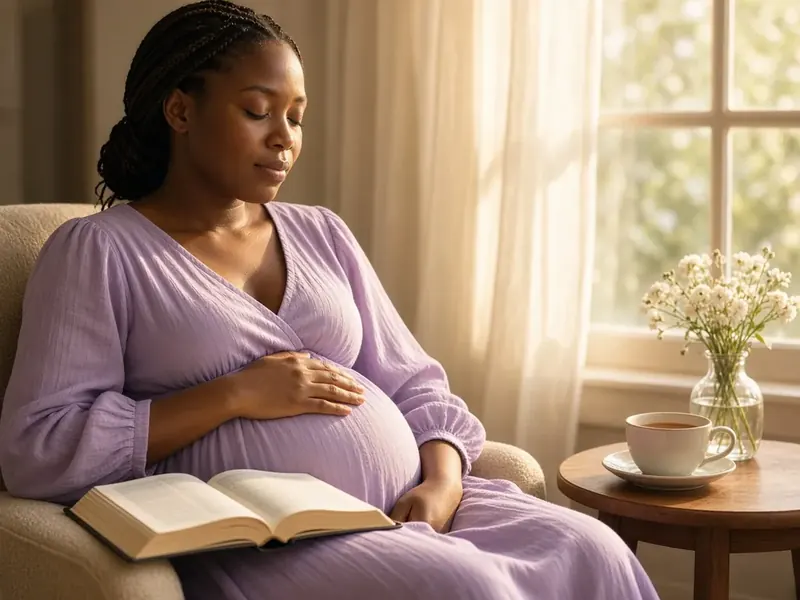
By the end of this course you will
- Understand why calm birth practice fits with Christian faith, and answer your own questions with confidence
- Use original breath prayers and scripture meditation to soften fear during pregnancy and surges
- Pray through each stage of labor, with your husband ready to read calming scripture-based scripts aloud
- Write birth preferences that reflect your values, and use the PAUSE tool for decisions
- Trust God with any outcome, including cesarean or NICU, and plan a postpartum season of rest, grace and community
This course is for you if
- You want birth preparation grounded in Christian faith
- You prefer Scripture and prayer to generic mantras
- Your husband wants a clear support role
- You want to prepare without demanding a certain outcome
It is not the right fit if
- You want a guarantee of a pain-free or unmedicated birth
- You need medical advice about your pregnancy or delivery
- You do not want prayer or Scripture included in your preparation
Inside the course
Faith-Filled Calm Birth is a Christian birth course with 8 lessons on faith and fear, prayer, partner support, birth preparation, trust, grace, and the fourth trimester.
A gentle, faith-rooted birth course for Christian mothers and their husbands. Learn calm breathing, deep relaxation and practical birth preparation, with scripture meditation and breath prayer in place of generic mantras. You stay awake and in control while you trust God with the birth. Whatever kind of birth unfolds, including a cesarean or a NICU stay, you can meet it with peace and grace.
Module 1 · Faith, Fear and Your God-Designed Body
- Is Calm Birth Biblical? Faith and Fear · 8 min
A respectful look at whether calm birth practice fits your faith, and how God speaks to our fear. - Fearfully and Wonderfully Made · 7 min
Discover how God designed your body for pregnancy and birth, and learn to work with it instead of against it. - Peace Instead of Fear: Breath Prayer and Scripture Affirmation Cards · 9 min
Learn original breath prayers for surges and keep 30 scripture affirmation cards close to your heart.
Module 2 · Prayer, Partnership and Preparation
- Praying Through Pregnancy and Labor · 9 min
Short, original prayers for each stage of pregnancy and labor, including prayers for husbands. - Your Husband as Spiritual Support: Read-Aloud Scripts · 10 min
Three original scripture-based relaxation scripts your husband or partner can read aloud. - A Christian Birth Preferences Reflection · 8 min
Reflect prayerfully on your values and write birth preferences that honor your faith and your choices.
Module 3 · Trust, Grace and the Fourth Trimester
- Trusting God With Any Outcome · 8 min
Find peace when birth takes an unexpected turn, including cesarean birth or a NICU stay. - Postpartum: Rest, Grace and Community · 8 min
Plan a gentle fourth trimester with rest, church support and honest care for your mind.
Read the start of lesson 1: Is Calm Birth Biblical? Faith and Fear
Welcome. If you have found your way here, you probably love God and you want to welcome your baby with peace. You may also have a quiet question in your heart: is hypnobirthing compatible with my faith? That is a wise question to ask, and you deserve an honest, gentle answer.
The word "hypnosis" can sound mysterious. In this course, it simply means focused relaxation. You breathe slowly, relax your muscles and fill your mind with calm, true words. It is the same kind of focus you feel when you are absorbed in prayer or lost in a good book.
Renewing your mind is at the heart of this course. Many of us have absorbed scary birth stories from films, social media and well-meaning friends. Gently replacing those pictures with truth is not a new-age idea. It is something Christians have practiced for centuries through meditation on scripture.
The full lesson continues with practices and a checklist inside the course.
What is a Christian birth course?
A Christian birth course prepares you for labor while making room for prayer, Scripture, trust, and honest conversations about fear. It does not treat faith as a way to control the outcome. It helps you decide how you want to respond when birth is intense, uncertain, or different from the plan.
Faith-Filled Calm Birth teaches breathing and deep relaxation as optional coping skills. Scripture meditation and breath prayer replace generic mantras. You stay awake, make your own decisions, and use the practices that fit your needs in the moment.
What this kind of preparation can do
- Give you short prayers to use when long prayers feel impossible
- Help your husband know what to read, say, and pray
- Prompt a thoughtful conversation about birth preferences
- Prepare you to receive pain relief or medical support without treating it as a spiritual failure
- Make room for cesarean birth, NICU care, and other outcomes you may not have chosen
If you searched for a Christian birth course near me, an online class can be useful when local prenatal classes do not address faith. It also lets you study with your husband at home instead of trying to fit another appointment into the week.
How can I use prayer for labor and delivery?
A prayer for labor and delivery can be brief, repeated, and tied to your breathing. You might choose one simple request for peace, wisdom, endurance, or help accepting the next step. The point is not polished language. Labor may leave you wanting only a few familiar words.
Build a short breath prayer
- Choose a short phrase addressed to God.
- Say the first part as you breathe in.
- Say the second part as you breathe out.
- Keep the wording easy enough for your husband to repeat with you.
- Change or stop the prayer if quiet feels more supportive.
Prayer can sit alongside medical care, pain medication, position changes, rest, and support from your birth team. It should not become a test of faith. Asking for an epidural, agreeing to a cesarean, or changing your preferences does not need to be framed as failing at calm birth.
The course includes prayer for pregnancy and labor, breath prayer practice, and Scripture affirmation cards. Your husband also receives read-aloud scripts, which can help when neither of you knows what to say. He can offer the words without pressuring you to answer or appear calm.
Prayer does not replace advice from your OB-GYN or midwife. Follow the instructions they give you about when to call or go in. If you are worried about a symptom, a change in how you feel, or your baby's well-being, contact your provider rather than relying on prayer or an online course.
How do I choose Bible verses for labor and delivery?
Choose Bible verses for labor and delivery that are familiar, brief, and honest about what you need. A verse about God's presence may fit one person. Someone else may want words about courage, rest, wisdom, or trust when the outcome is outside her control.
Read each passage in context before adding it to a labor card. Avoid turning a promise into a guarantee of a safe, uncomplicated, or pain-free delivery. Scripture can support faith during birth without predicting what the medical outcome will be.
Make Scripture easier to use during labor
- Pick a small number of passages you already know well.
- Print them in large type that is easy to read at a glance.
- Ask your husband which passages he feels comfortable reading aloud.
- Pair each passage with a short prayer instead of a long explanation.
- Pack the cards where your support person can reach them.
Use the Bible translation that belongs to your faith practice. If you searched for Bible verses for labor and delivery KJV wording, keep that wording if it is familiar and comforting to you. Catholic families may prefer passages from a Catholic Bible. The course does not require one translation.
Faith-Filled Calm Birth includes Scripture affirmation cards and lessons on peace, fear, and being fearfully and wonderfully made. These are prompts for reflection and prayer. They are not medical claims and do not promise that using a certain verse will change how birth unfolds.
What should a Christian childbirth class say about birth plans?
A Christian childbirth class should help you express preferences without suggesting that enough preparation, prayer, or trust will produce the birth you pictured. Birth preferences tell your care team what matters to you. They do not bind you or your provider to a fixed script.
Think through the environment, support, coping methods, pain relief, communication, and spiritual care you would prefer. Then ask your OB-GYN or midwife which options are available in your place of birth and how decisions may change if medical concerns arise.
Questions worth discussing before labor
- Can my husband pray or read Scripture aloud without disrupting care?
- How should we communicate if I want quiet or no longer want to be coached?
- What pain relief options can I ask about during labor?
- How might my preferences change during a cesarean birth?
- What spiritual support can we request if our baby needs NICU care?
- Who should we call, and when, if we have concerns before labor begins?
The course includes a Christian birth preferences reflection rather than a rigid plan. It asks you to consider what matters while also trusting God with outcomes you cannot choose. That balance is important. Preparing carefully and remaining flexible can exist together.
Your husband can support this process by knowing your preferences, listening for changes, and helping you ask questions. His role is not to keep you committed to an earlier decision. If you ask for different support during labor, he should respond to what you need now.
Do breathing and relaxation reduce labor pain?
Breathing and relaxation are coping options, not reliable ways to eliminate labor pain. Research on relaxation and related hypnosis methods is mixed, and much of the evidence is low or very low quality. No course should promise that practice will prevent anxiety, avoid an epidural, or produce a pain-free birth.
A 2018 Cochrane review found lower pain scores during the latent phase in one small trial of 40 women. It found no strong evidence of a difference during active labor across four trials involving 271 women. The review rated the active labor evidence very low quality.
A 2016 Cochrane review of nine randomized trials involving 2,954 women found uncertain evidence that hypnosis may reduce some pharmacological pain relief. It found no clear difference in epidural use. Comparisons with standard care also found no clear difference in pharmacological pain relief or anesthesia.
That evidence supports a modest, honest approach. Practice relaxation if it helps you focus, rest, or return to prayer. Keep other options open. Your OB-GYN or midwife can explain pain relief choices and any medical considerations that apply to you.
This christian birth course teaches calm breathing and deep relaxation without making them a measure of faith or success. The aim is preparation, not control. A birth that includes medication, surgery, or unexpected care is still a birth worthy of grace and support.
Faith-Filled Calm Birth at a glance
- What it is
- A faith-rooted course that combines practical birth preparation with breathing, relaxation, breath prayer, Scripture reflection, and support for uncertain outcomes.
- Who it's for
- Made for Christian pregnant women and husbands who want faith to have a clear place in birth preparation.
- How long
- 8 lessons, about 1 hour in total. Begin during pregnancy and return to the prayers, scripts, and reflection exercises as labor approaches.
- Price
- $29 once, lifetime access, 30-day money-back guarantee. Also included in our bundles.
- Format
- An online course with lessons, Scripture affirmation cards, husband read-aloud scripts, and a birth preferences reflection for $29.
What the research says
- A review of 9 randomized trials involving 2,954 women found that hypnosis was associated with less pharmacological pain relief, but the evidence was very low quality and the result remains uncertain. The review found no clear difference in epidural use. Cochrane, 2016
- When hypnosis was compared specifically with standard care, 5 studies involving 1,800 women found no clear difference in pharmacological pain relief or anesthesia. Cochrane, 2016
- One trial of 40 women found that relaxation lowered latent-phase pain by 1.25 points on a 0 to 10 scale. During active labor, 4 trials involving 271 women found no strong evidence of a difference, and the evidence was very low quality. Cochrane, 2018
Save with a bundle
This course is part of Complete Journey Bundle and Faith-Filled Birth Bundle, together with the full Zen Hypnobirthing Program.
Compare bundlesFrequently asked questions
What can I say to encourage a woman in labor?
Use short, steady words that do not demand a response. Try, "I am here," "You can take this one moment at a time," or "Tell me what would help right now." Avoid promising that everything will go according to plan. Ask before praying aloud, reading Scripture, touching her, or giving repeated instructions.
What should I wish a pregnant woman before delivery?
Wish her good care, steady support, wisdom for each decision, and peace as she meets the unknown. You could say, "I am praying that you feel supported and cared for through every part of the birth." Avoid predicting an easy delivery or saying that faith will guarantee a particular outcome.
What is an encouraging Scripture for a woman in labor?
Choose a familiar passage about God's presence, courage, rest, wisdom, or trust. Read the full passage beforehand so you understand its context, then select a short section that is easy to hear during labor. Do not present any verse as a promise of a pain-free birth, safe delivery, or specific medical outcome.
What is a good prayer for a mother in labor?
A good prayer asks for presence, wisdom, endurance, compassionate care, and help with the next decision. Keep it brief: "God, stay close to her. Give her strength for this moment, wisdom for each choice, and people who listen well." Prayer can support her faith, but it should not replace clinical care or her stated needs.
What psalm can I read for a woman in labor?
Read a psalm she already knows and finds meaningful, especially one connected with God's presence, refuge, help, or rest. Familiar words are often easier to receive than a new passage during intense labor. Ask her preference beforehand, and stop reading if she wants quiet or needs to focus on her care team.
What is a good prayer for a safe delivery and a healthy baby?
Ask plainly for the mother and baby's safety while leaving room for uncertainty: "God, please protect this mother and baby, guide every person caring for them, and give the family peace and wisdom through each decision." No prayer guarantees a medical outcome. Contact the OB-GYN or midwife whenever there is a health concern.
Is there a miracle prayer to St. Anthony that never fails?
No prayer should be treated as a guarantee of a specific birth outcome. If prayer to St. Anthony belongs to your faith practice, you can use it as an expression of trust, hope, or a request for help. Do not delay contacting an OB-GYN, midwife, or hospital because you are waiting for a prayer to work.
Does Faith-Filled Calm Birth promise a pain-free delivery?
No. The course presents breathing, relaxation, prayer, and Scripture as coping tools, not guarantees. Research on relaxation and related hypnosis methods is mixed, with low or very low certainty in key findings. The course leaves room for pain medication, an epidural, cesarean birth, NICU care, and changes to your original preferences.
How does the course involve my husband?
The course gives your husband a defined spiritual support role without making him responsible for controlling the birth. It includes read-aloud scripts, prayer prompts, and a Christian birth preferences reflection to discuss together. During labor, he can read, pray, listen, and help communicate while following your cues and the care team's instructions.
Does the course prepare me for a cesarean or NICU stay?
Yes, it makes room for cesarean birth, NICU care, and other outcomes you may not have planned. The lessons address trusting God with any outcome and approaching postpartum with rest, grace, and community. It does not provide medical instructions for surgery or newborn care, so discuss those decisions with your OB-GYN, midwife, or baby's care team.
Courses that go well with this one

The Zen Hypnobirthing Course

Printable Affirmation Cards (150)

Overcoming Fear of Birth
Free guides: A Christian course for pregnant women · Prayer for labor and delivery by stage · Breathing exercises for active labor · All online prenatal classes